Ammonia rise affects Delhi water treatment plants
Ammonia levels in the Yamuna at Wazirabad have risen to 1.5-2 parts per million, with the impact felt particularly at the Wazirabad water treatment plant and the Chandrawal water treatment plant. The New Delhi Municipal Council (NDMC) said increased pollution in Yamuna raw water had curtailed production at the Sonia Vihar water treatment plant, affecting supply in its command area.
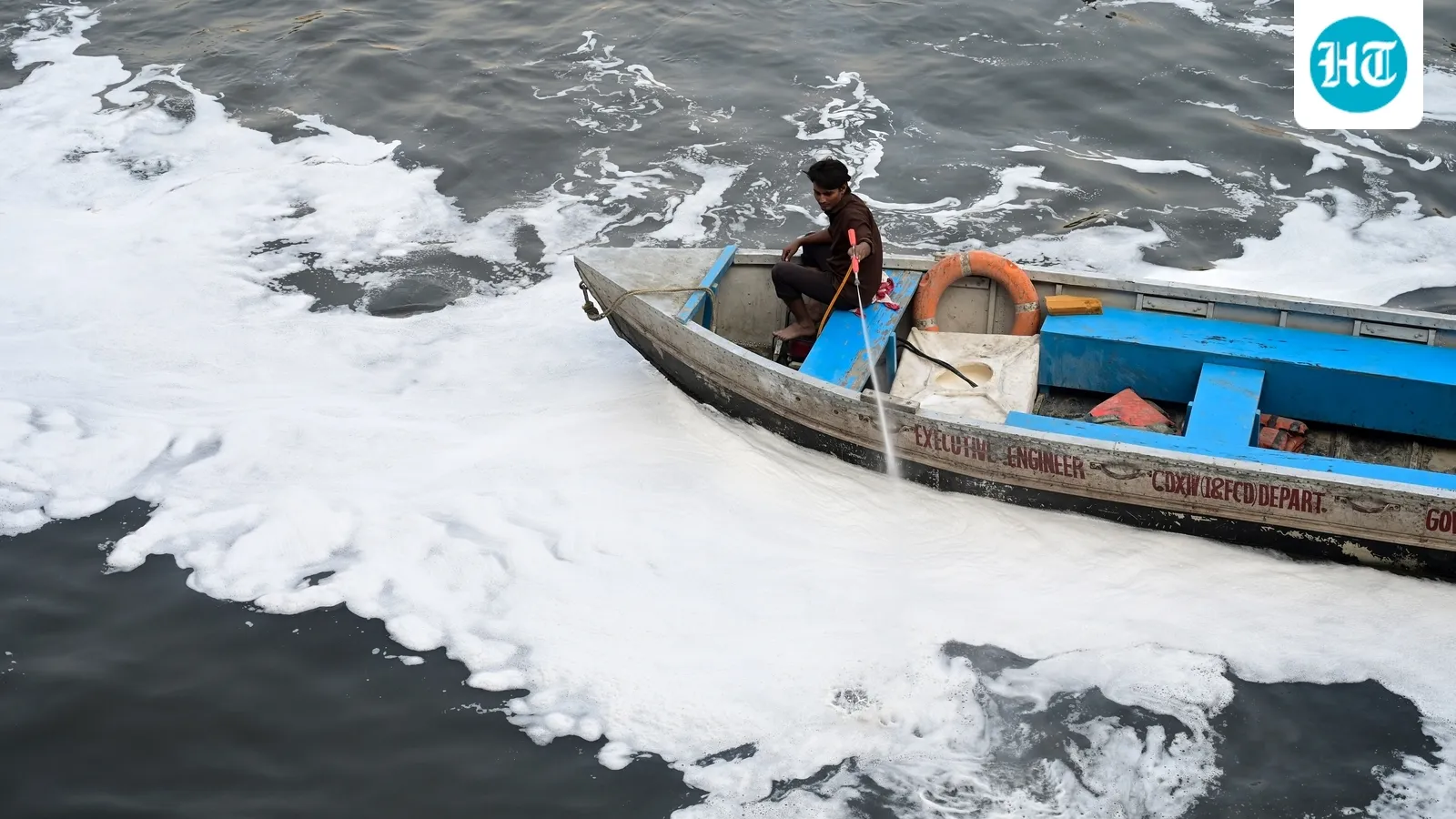
Delhi water supply operations begin to be affected beyond the 0.9 ppm ammonia threshold. The NDMC issued an advisory that supply to areas fed by Sonia Vihar may be affected and asked residents to cooperate and store additional water. The Delhi Jal Board (DJB) is on high alert and has not issued an official advisory on the spike.

DJB officials said treatment plants can handle ammoniacal nitrogen concentrations of around 1 ppm through conventional chlorination. Beyond the treatable level, chlorination can form toxic chloramines, requiring treatment and dilution of contaminated raw water with cleaner supplies. Officials said dilution can help manage ammonia concentrations of up to around 2-2.5 ppm. When ammonia levels rise, water production is curtailed and the DJB relies on alternative sources, including water delivered via the Munak canal, to dilute polluted supply. An ozonation-based advanced plant helps tackle pollution levels of up to 4-5 ppm and covers over 90% of ammonia episodes.
Sonia Vihar normally draws raw water from the Upper Ganga Canal. A DJB official said water from the canal had started arriving after maintenance and that sludge washing had been carried out.
We will use Ganga water to dilute the raw water supply to minimise the impact
a DJB official
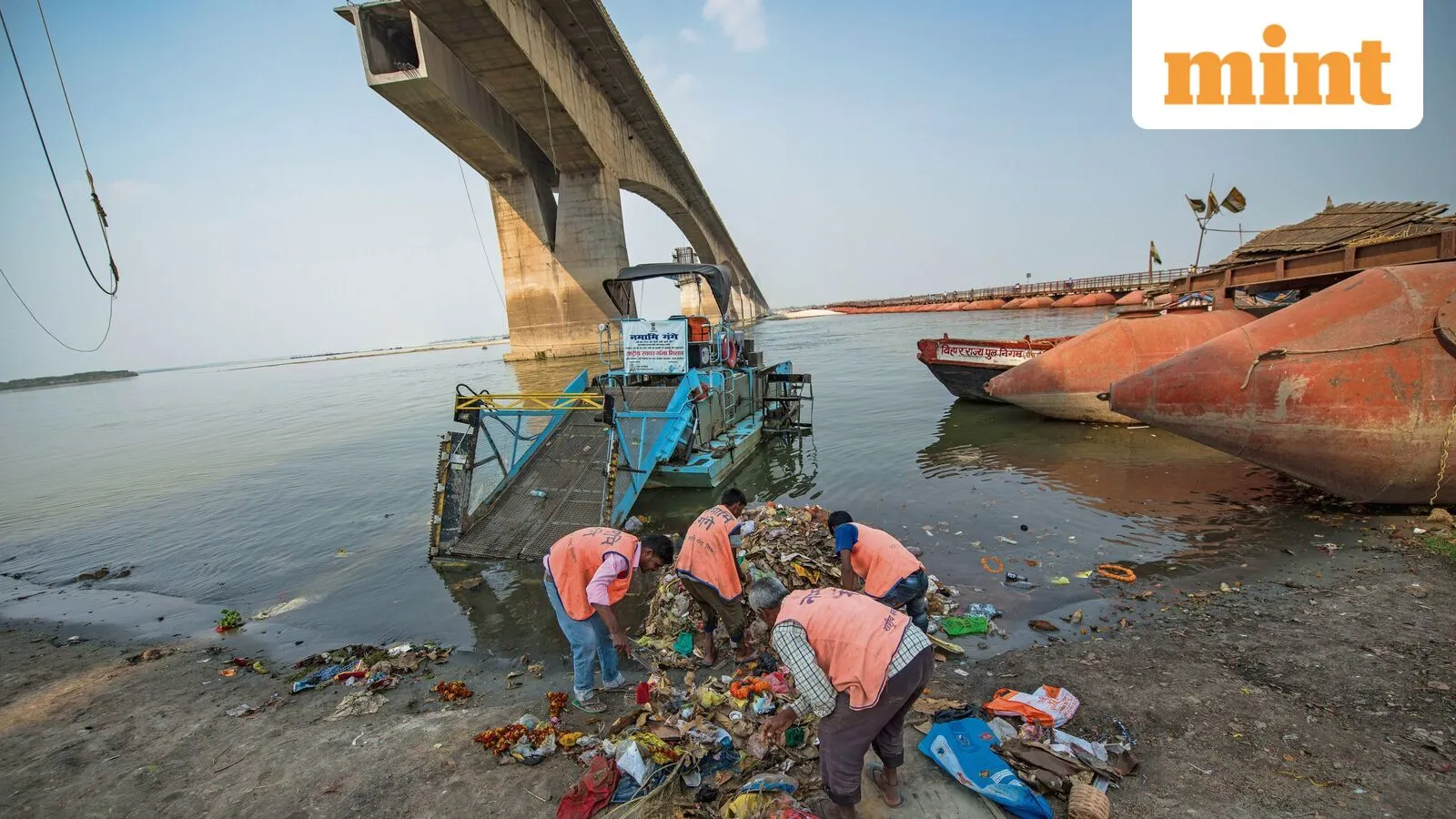
The Delhi Jal Board has attributed recurring ammonia spikes to untreated industrial discharge entering the Yamuna upstream of Wazirabad, while Haryana has maintained that its industrial areas have no sources of pollution leakage. Suspected sources include the Panipat industrial drain and intermixing of industrial wastewater with freshwater canals in Sonipat. In Sonipat, two parallel drains involved in the intermixing run alongside each other for nearly 10km: DD-6 carries industrial waste and DD-8 carries freshwater. Work to prevent intermixing through a pipeline is being undertaken under directions from the National Green Tribunal.
The Najafgarh drain meets the Yamuna after Wazirabad and accounts for nearly 69% of the pollution load entering the river in Delhi. 17 major drains discharge sewage into the Yamuna as it flows through the capital. A 22km stretch of the Yamuna in Delhi contributes roughly 75% of the river's total pollution. Dissolved oxygen, essential for aquatic life, falls to zero at several downstream monitoring points, while biological oxygen demand and faecal coliform levels rise sharply.
Ammonia is a nitrogen-based compound that enters water bodies primarily through untreated sewage, industrial effluents and agricultural runoff. High concentrations indicate pollutants and make water more difficult to treat for drinking. Delhi typically has 15-22 ammonia episodes annually, with levels sometimes remaining elevated for several days. High ammonia levels in raw water are observed year-round, but episodes are particularly common between November and March, when reduced river flows mean pollutants are less diluted and concentrations rise. The spike comes as Delhi prepares for the Chhath festival.