Iran security council secretary Mohsen Rezaei: No negotiations with US
Axios reported that US Vice President JD Vance spent a two-week period in indirect talks with Iran seeking a new ceasefire and a restart of nuclear negotiations, while Iranian Supreme National Security Council secretary Mohsen Rezaei said Iran and the United States are holding no negotiations. Qatar Foreign Ministry Media and Communication Department head Ibrahim bin Sultan al-Hashimi said mediation efforts between Washington and Tehran were continuing uninterrupted, with positive responses from both sides. US Secretary of State Marco Rubio said after a G7 foreign ministers meeting in Paris on 10 November that the economic campaign against Iran was so devastating that major combat operations were not currently needed.
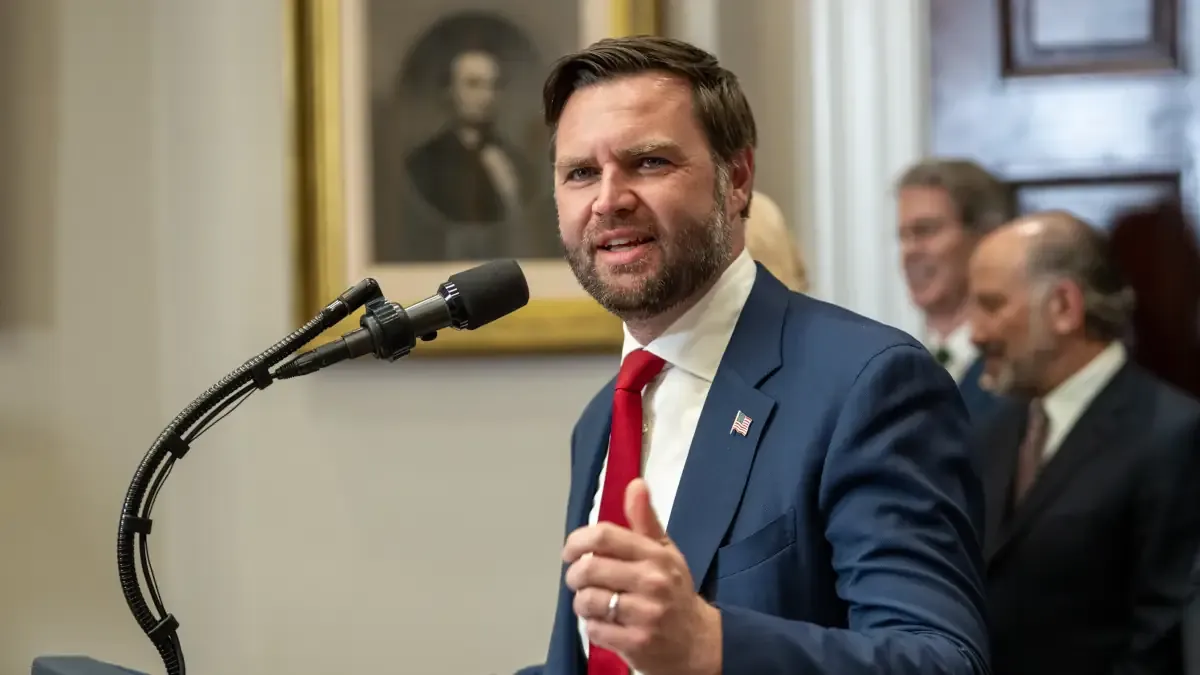
Qatari Prime Minister and Foreign Minister Mohammed bin Abdurrahman Al Sani met US President Donald Trump at the White House on 9 November, al-Hashimi said. Informed sources said Vance communicated almost daily with Al Sani, Pakistani Army Chief Asim Munir and other mediators. Trump's envoy Witkoff and son-in-law Kushner were also involved, the sources said.


Qatar's Foreign Ministry said the approaching winter combined with the continued closure of the Strait of Hormuz doubles the costs of the ongoing crisis between Washington and Tehran. Doha said Qatar's mediation gained momentum.
We cannot wait until we achieve a perfect agreement. We hope to reach a good agreement
Qatari Prime Minister Sheikh Mohammed bin Abdulrahman Al Thani
Rubio described Iran's demands in negotiations as outrageous, ridiculous and not realistic. Iranian President Masoud Pezeshkian said Supreme Leader Mojtaba Jamenei had ordered the government to end the state of neither war nor peace and end the war with the United States, which had been underway for 8 months. Rezaei said Tehran would not allow any amount of enriched nuclear material to leave the country and had informed Moscow of its decision to keep enriched materials for use inside the country. He said Iran has reached an advanced level of cyber warfare that can control American drones and land them on the ground. He said any new American attack would be met by targeting that country's distant military bases and that Iran had communicated its seven conditions to the Americans and was awaiting a clear and explicit response.

Rezaei said Iran needs the enriched materials to design nuclear-powered ships and submarines. Russia had offered to move enriched uranium out of Iran under a potential agreement to dispel Washington's concerns. The International Atomic Energy Agency (IAEA) estimated Iran's stock of uranium enriched to 60 percent at about 440.9 kilograms at the time of Israeli and US attacks on its nuclear facilities in June 2025.
Trump is letting Vance proceed but has not ruled out the use of force. American officials reportedly asked their allies to stay ready for possible strikes after the midterm elections. Trump said the United States had a list of 38 bridges in Iran it could destroy within one hour. He said new strikes on Iran were highly unlikely to be necessary if Iran signed a very strong agreement.

We must finish the job, by a deal or otherwise. We will see if the negotiations can succeed.Nous devons finir le travail, par un accord ou autrement. Nous verrons si les négociations peuvent aboutir
President Donald Trump
In April 2026, Vance led the American negotiating team at United States-Iran talks in Islamabad, Pakistan's capital. After the United States and Iran reached a memorandum of understanding in June 2026, he led an American delegation to talks with Iran in Switzerland. Those talks ended with Tehran committing to invite United Nations inspectors to its nuclear sites.
Timeline
- Vance wrote to Rezaei to propose direct discussions.
- Vance said in a social media post that the Iran war was the root cause of the Republicans' midterm election loss.
- Trump spoke by phone with Qatari Emir Tamim, and Qatar Emiri Diwan said they discussed easing regional tensions and pushing for an agreement to end the crisis.
- Iranian Foreign Minister Abbas Araghchi said there had been no activity or movement from the mediators in recent days, attributing the halt to the shock of the US midterm election results.
- Tehran condemned a US offer of up to $20 million for information about its nuclear program.
- Vance and mediators discussed a possible working-level technical meeting between American and Iranian experts, but it had not been finalised.
Sources
 Sky News Arabia · "ولو ذرة واحدة".. إيران ترفض نقل اليورانيوم المخصبSky News Arabia · Middle East United Arab Emirates Arabic · s
 Digi24 · Iranul nu va permite ca uraniul îmbogățit să părăsească țara. Șeful securității de la Teheran: „Îl vom folosi noi înșine”Digi24 · Europe Romania Romanian · s
 LBCI · Iran will not allow enriched nuclear material to leave the country, security chief saysLBCI · Middle East Lebanon Arabic · s
 Telma · Ниту една честичка збогатен ураниум нема да излезе од земјата, порача шефот на иранскиот Совет за безбедностTelma · Balkans North Macedonia Macedonian · s
 Portal Analitika · Iran poručuje: Nećemo dozvoliti iznošenje ni čestice obogaćenog uranijuma iz zemljePortal Analitika · Balkans Montenegro Serbian · s El Balad · رضائي: إيران لن تسمح بخروج أي مواد نووية مخصبة من أراضيهاEl Balad · North Africa Egypt Arabic · s
 The Straits Times · Iran will not allow enriched nuclear material to leave the country: Security chiefAsia Pacific Singapore La Tercera · ¿Se acerca el fin de la guerra de Irán?: El pedido de Jamenei y el “impulso positivo” que ve TrumpLa Tercera · Latin America Chile Spanish · s
 El Nacional Paraguay · Rubio asegura que Washington busca un acuerdo, pero critica las exigencias de IránEl Nacional Paraguay · Latin America Paraguay Spanish · s
 Oman Daily · مأزق "لا حرب ولا سلم" يتواصل بين أمريكا وايران رغم مساعي الوساطةOman Daily · Middle East Oman Arabic · s La Tercera · Marco Rubio afirma que Estados Unidos está abierto a un acuerdo pero Irán mantiene “condiciones absurdas”La Tercera · Latin America Chile Spanish · s Entekhab · سخنگوی وزارت خارجه قطر: تلاشهای میانجیگرانه همچنان ادامه دارد؛ از سوی ایران و امریکا نیز اظهارات مثبتی درباره دستیابی به راهحل دیپلماتیک مطرح میشودEntekhab · Middle East Iran Persian · s
 Hasht-e Subh · Qatar: We Are Working to Resolve Uncertainty Over US-Iran CrisisSouth Asia Afghanistan
 Anadolu Ajansı · Katar: ABD ile İran arasındaki müzakerelerde ilerleme kaydediliyorAnadolu Ajansı · Türkiye Turkish · s Gazete Oksijen · Katar: ABD ile İran arasındaki müzakerelerde ilerleme varGazete Oksijen · Türkiye Turkish · s
 Asharq Al-Awsat · قطر تتحدث عن تقدم في الوساطة بين واشنطن وطهران وتحذِّر من تداعيات إغلاق «هرمز»Asharq Al-Awsat · Middle East Saudi Arabia Arabic · s El Balad · الخارجية القطرية تعلن استمرار جهود الوساطة بين إيران وأمريكاEl Balad · North Africa Egypt Arabic · s Entekhab · قطر: از سوی ایران و آمریکا واکنشهای مثبتی دریافت شده/ تلاشهای میانجیگرانه همچنان ادامه داردEntekhab · Middle East Iran Persian · s Entekhab · قطر: از سوی ایران و آمریکا واکنشهای مثبتی دریافت شده/ تلاشهای میانجیگرانه ما شتاب قابل توجهی گرفته و همچنان ادامه دارد/ بدون خستگی برای پایان دادن به وضعیت عدم قطعیت فعلی، تلاش میکنیمEntekhab · Middle East Iran Persian · s
 Insajder · Rubio: Nema napretka u rešavanju sukoba sa Iranom, zahtevi Teherana su neprihvatljiviInsajder · Balkans Serbia Serbian · s
 Dinamani · அமெரிக்க இடைத்தேர்தல் அதிர்ச்சிக்குப் பின் எந்தப் பேச்சுவார்த்தையும் நடைபெறவில்லை: ஈரான்Dinamani · India Tamil · s El Balad · وزير الخارجية الأمريكي: الاتفاق الدبلوماسي مع إيران غير ممكن بسبب مطالب طهرانEl Balad · North Africa Egypt Arabic · s Entekhab · ادعای روبیو: در حال حاضر، مذاکرات چندان ثمربخش نبودهEntekhab · Middle East Iran Persian · s BirGün · Trump, müzakereler sürdükçe ABD'nin İran'a yeniden saldırma ihtimalinin "son derece düşük" olduğunu söylediBirGün · Türkiye Turkish · s
 Entekhab · عراقچی: نتایج انتخابات آمریکا به رفتوآمد میانجیها شوک وارد کرد؛ باید کمی صبر کنیم تا دوباره فضا آرام شودEntekhab · Middle East Iran Persian · s Sky News Arabia · عراقجي: "صدمة" الانتخابات الأميركية أوقفت تحركات الوسطاءSky News Arabia · Middle East United Arab Emirates Arabic · s Anadolu Ajansı · Trump, müzakereler sürdükçe ABD'nin İran'a yeniden saldırma ihtimalinin "son derece düşük" olduğunu söylediAnadolu Ajansı · Türkiye Turkish · s Gazete Oksijen · Trump: ABD'nin İran'a yeniden saldırma ihtimali son derece düşükGazete Oksijen · Türkiye Turkish · s El Balad · وزير خارجية إيران: نتائج انتخابات الكونجرس الأمريكي صدمت الجميع والمفاوضات توقفتEl Balad · North Africa Egypt Arabic · s Entekhab · ادعای منابع OSINT: یک هیات ایرانی به قطر پرواز کرده استEntekhab · Middle East Iran Persian · s
 Madhyamam · ഇറാനും യു.എസും കരാറിലെത്തുന്നതിൽ പരാജയപ്പെട്ടുവെന്ന വ്യാജ പ്രചാരണങ്ങൾ തള്ളി ഖത്തർMadhyamam · India Malayalam · s
 Frankfurter Allgemeine Zeitung · Liveblog Nahost: Pistorius will bald über Einsatz in Straße von Hormus entscheidenFrankfurter Allgemeine Zeitung · Europe Germany German · s Asharq Al-Awsat · تقرير: فانس يقود اتصالات غير مباشرة مع إيران لاستئناف المفاوضاتAsharq Al-Awsat · Middle East Saudi Arabia Arabic · s
 Syria TV · "أكسيوس": نائب الرئيس الأميركي يجري محادثات شبه يومية مع إيران لوقف إطلاق النارSyria TV · Middle East Syria Arabic · s Syria TV · قطر تنفي مزاعم فشل المفاوضات بين واشنطن وطهران وتؤكد استمرار الوساطةSyria TV · Middle East Syria Arabic · s Gazete Oksijen · Axios: Vance, İran'la anlaşma için 2 haftadır görüşmeler yürütüyorGazete Oksijen · Türkiye Turkish · s LBCI · Qatar says its mediation efforts between US and Iran continue to prevent escalationLBCI · Middle East Lebanon Arabic · s El Balad · رئيس وزراء قطر : جهودنا مستمرة من أجل ألا تشهد المنطقة تصعيدا كبيرEl Balad · North Africa Egypt Arabic · s Anadolu Ajansı · ABD basını: ABD Başkan Yardımcısı Vance, İran'la anlaşma için 2 haftadır görüşmeler yürütüyorAnadolu Ajansı · Türkiye Turkish · s La Nouvelle Tribune · Iran : JD Vance pilote en coulisses les négociations pour un nouveau cessez-le-feu, selon AxiosLa Nouvelle Tribune · Africa Benin French · s Sky News Arabia · فانس يقود محادثات غير مباشرة مع إيرانSky News Arabia · Middle East United Arab Emirates Arabic · s
In this story
Middle East