Institute says 27 Russian regions have generalized HIV epidemic
The Central Research Institute for Epidemiology of Rospotrebnadzor said 27 regions of Russia were in the stage of a generalized HIV epidemic. Officially, 45,000 new HIV cases were reported nationally in 2025, down 13.4% from 2024.
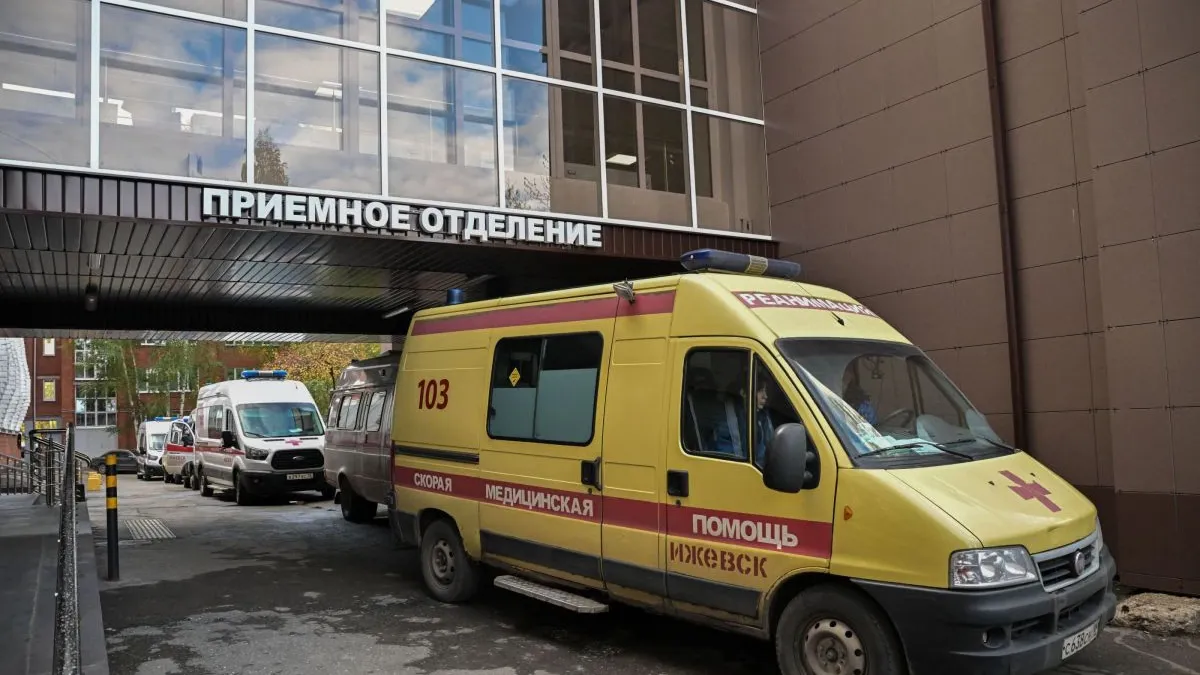
Only half of seropositive people in Russia had an undetectable viral load at the end of that year. Eight major outbreaks were confirmed in health units that year, totalling 104 infected patients. Experts said transmission cases in healthcare facilities are at the highest level in 15 years. Authorities are investigating 11 other suspected outbreaks across ten regions.

At a sanatorium in Kabardino-Balkaria, 82 people were contaminated during treatment. At the sanatorium, 76 people were diagnosed with hepatitis C and six had simultaneous HIV co-infections. In oncology departments, 147 patients in Kamchatka and 42 in Buryatia contracted viral hepatitis. An outbreak under investigation in Moscow resulted in 22 contaminations. Two patients were infected with HIV through improperly checked blood transfusion components after six years without such cases.
Epidemiologists cite reuse of single-use catheters, shared glucometers without sterilization and lack of advanced RNA testing as direct causes. Euronews said the generalized-epidemic threshold is confirmed when HIV prevalence exceeds 1% among pregnant women monitored in the public system. Two-thirds of new transmissions occur heterosexually. The average age of carriers rose from 32 to 44 over 15 years. Over 3% of men aged 40 to 49 have been diagnosed HIV-positive.
Rospotrebnadzor says over 1.23 million people are living with HIV in Russia, representing 0.8% of the population. The Health Ministry says 846,500 people are registered in outpatient records. Rospotrebnadzor counts every positive laboratory test, while the Health Ministry counts only outpatients under monitoring. Over 385,000 carriers remain completely outside medical monitoring. Mass routine testing is directed at low-risk categories, bypassing vulnerable groups.
HIV has become the main cause of death among the working-age population of Russia. Academician Vasili Akimkin said Russia, Ukraine and North Macedonia record the highest incidence rate in Europe, measured per 100,000 inhabitants. Akimkin said annual deaths associated with the disease are between 30,000 and 34,000. At least 600,000 people are actively transmitting the virus further. Military blogger Anastasia Kashevarova and other military bloggers warned of uncontrolled spread among frontline troops and of returning soldiers carrying infections into communities.
Care costs for the condition exceeded 279 billion rubles. At least 15,000 newly identified cases each year are estimated to remain uncovered. Prioritization of war spending deprived hospitals of funds for disposable supplies and innovative treatments. After major international funders withdrew, the system relies on insufficient domestic budgets. In occupied eastern Ukraine, seropositive patients were excluded from centralized federal drug distribution and often received expired stocks.
Timeline
- The Russian state's draft budget for 2027 provides additional antiretroviral treatments for only 30,000 new patients.
- Health agencies forecast that the number of HIV carriers in Russia will rise to 1.47 million by 2030.
- Health agencies also forecast annual mortality of up to 51,000 people.
Sources
In this story
Russia