Judge Steven Merryday lets Trump lawsuit partly proceed in Tampa
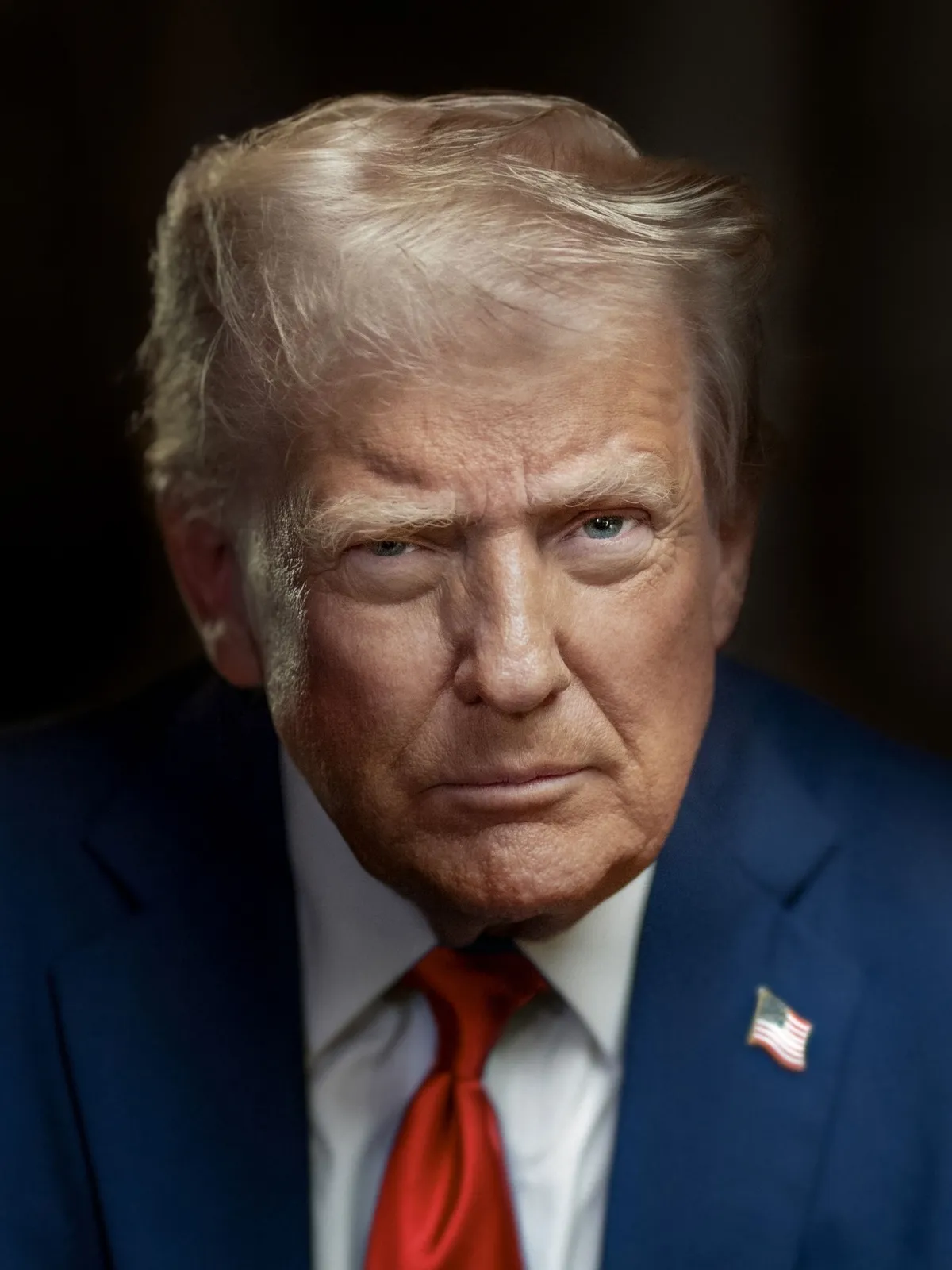
US District Judge Steven Merryday allowed parts of US President Donald Trump's US$15 billion defamation lawsuit against the New York Times and Penguin Random House to proceed in Tampa, Florida, on 19 November. Donald Trump accused the New York Times and Penguin Random House of publishing false stories about his business acumen before the 2024 presidential election, and Donald Trump's legal team accused them and their writers of deliberately and maliciously defaming him, while the New York Times and Penguin Random House denied wrongdoing.
Merryday dismissed two claims and narrowed four others. His ruling eliminated 27 of the 34 statements originally challenged in the lawsuit. All seven remaining statements were written by New York Times journalists. Six appeared in a book by reporters Susanne Craig and Russ Buettner, and one appeared in an article by Peter Baker.
The surviving claims concern statements accusing Trump of tax fraud, tax evasion, money laundering or related criminal conduct. Merryday ruled that Trump had sufficiently alleged knowing or reckless publication of falsehoods. He also ruled that Trump plausibly alleged journalists had accused him of complex financial crimes without a qualified source's assessment after a thorough factual review. The ruling did not find that the newspaper or publisher defamed Trump, but held that his allegations were sufficient to survive the newspaper's motion to dismiss. The Supreme Court established a heightened defamation standard for public figures decades before the ruling to protect press freedoms.
They know that they don’t know, but they are undeterred
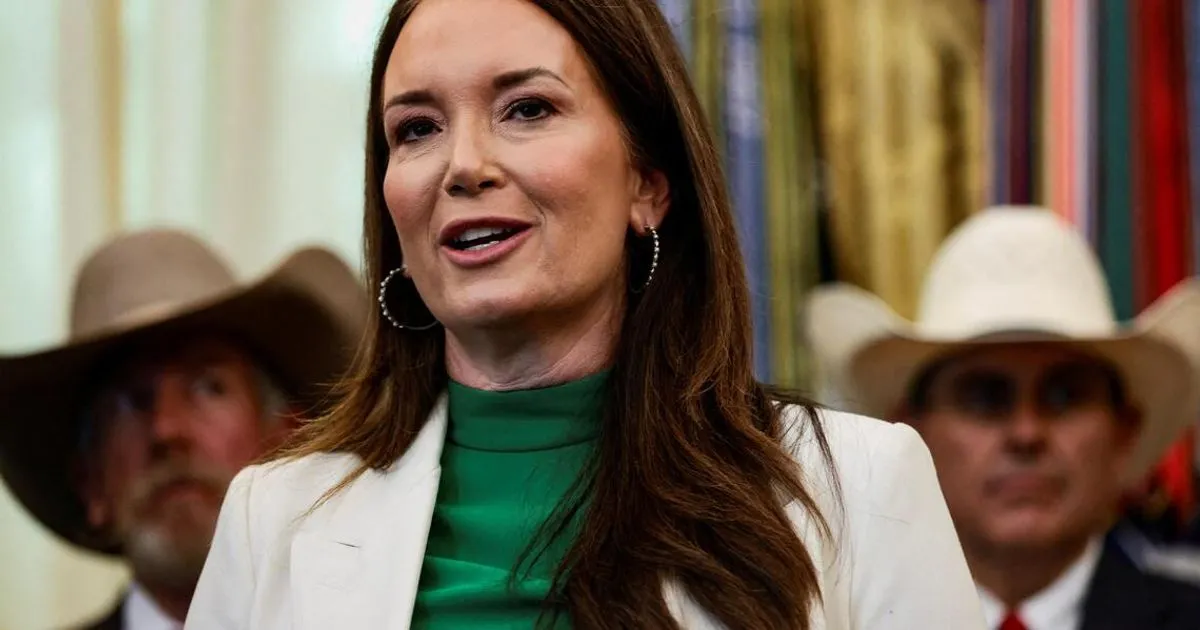
US District Judge Steven Merryday
Trump sued in September 2025 over two articles and a book that challenged his account of rising as a skilled businessman in real estate and entertainment. The articles concerned his background and business dealings, and he named Penguin Random House as the book's publisher. The newspaper and publisher told the court that the case lacked any legal basis and was intended to secure political gains. The newspaper said Trump had failed to explain exactly how dozens of disputed statements in the book and articles were false. New York Times spokesman Charlie Stadtlander said the judge dismissed almost all claims against the newspaper and that the remaining claims had no merit.
The New York Times could appeal the ruling. The case is on track for a potential trial in which opposing interpretations of the First Amendment's press protections are expected to feature heavily.
Trump has filed several lawsuits against media companies since 2024, accusing them of damaging his reputation or misleading the public through false coverage. Critics have condemned the lawsuits as attacks on press freedom. The ruling came a week after a federal judge allowed Trump's defamation lawsuit against the British Broadcasting Corp (BBC) over a misleadingly edited video to proceed. The BBC denied liability for defamation. Another judge dismissed Trump's US$10 billion defamation lawsuit against the Wall Street Journal and barred him from refiling it; Trump is appealing.
Sources
Asharq Al-Awsat · قاض يقر بإمكانية مواصلة دعوى تشهير رفعها ترمب ضد «نيويورك تايمز»Asharq Al-Awsat · Middle East Saudi Arabia Arabic · s In this story
North America

Society