President Kassym-Jomart Tokayev decides to grant Shymkent university national status
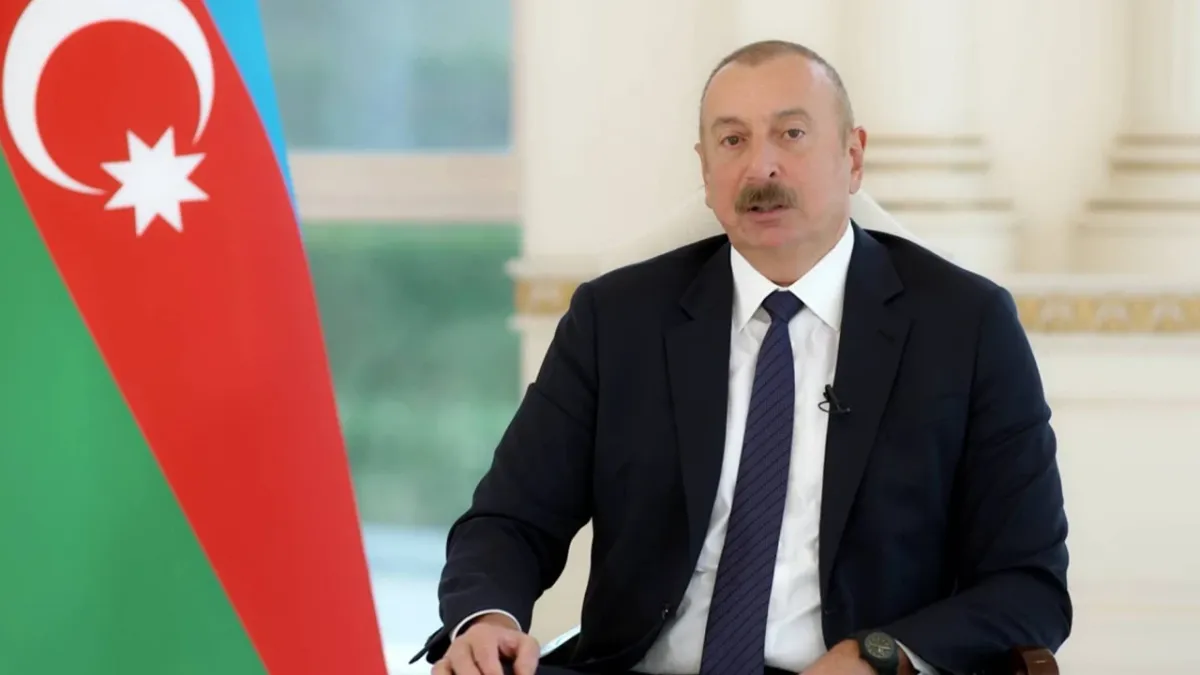
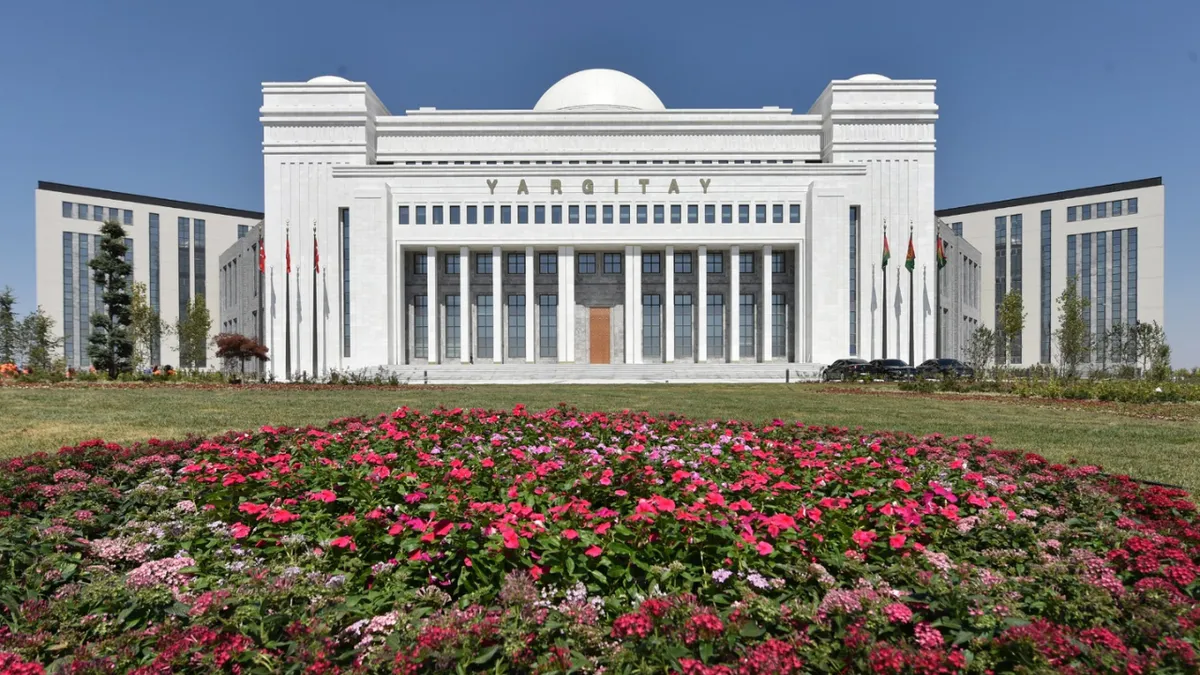
President Kassym-Jomart Tokayev decided to grant national status to Mukhtar Auezov South Kazakhstan University in Shymkent. On 19 November, Tokayev said Kazakhstan intended to turn the city into a major science and education hub for the southern region.
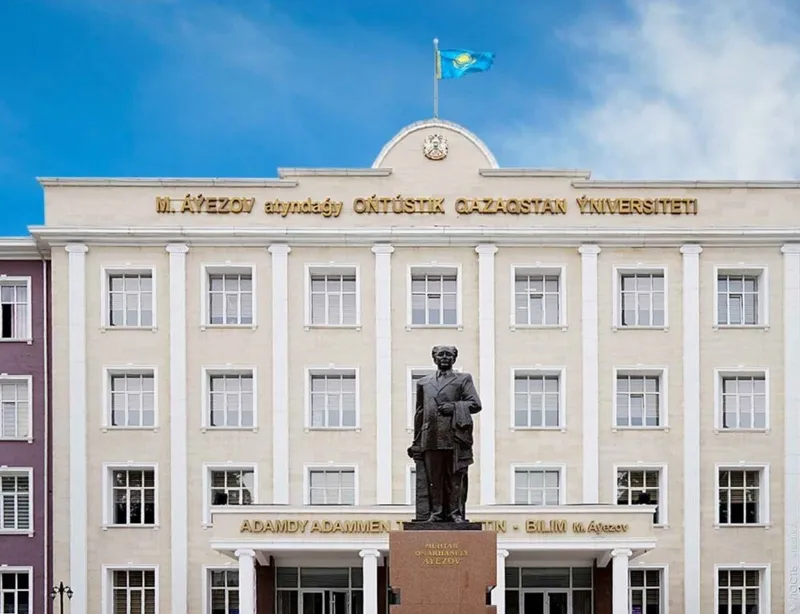
Tokayev said the university was the region's largest and educated one in five students in Shymkent. He said an Arizona State University educational programme was being implemented in the city. A branch of Turkey's Gazi University has also opened there, he said.
Branches of 11 leading foreign universities have opened in Kazakhstan. They educate 12 thousand students. About 1.5 thousand teachers and more than 600 foreign professors work at the branches.
Science funding in Kazakhstan increased to 590 million dollars. State investment in educational grants approached 3.5 billion dollars over seven years.
Tokayev said 18 Kazakhstani universities were included in the QS World University Rankings 2026, while 10 featured in the Times Higher Education 2027 rankings. He said Kazakhstan continued to improve its standing in the Global Innovation Index 2026 and recorded the region's highest results.
Kazakhstan plans to attract 100 thousand foreign students by 2029. Tokayev said Kazakhstan's strategic goal was to become Central Asia's academic hub and join the global knowledge market by offering relevant, high-quality knowledge. The country also aims to strengthen its position as a regional centre for higher education, science and international academic cooperation.
Tokayev addressed the Third Forum of Strategic Partners in Astana, where he outlined Kazakhstan's reforms and socioeconomic achievements. He said Kazakhstan had made a strategic choice to develop human capital during global competition for talent and technology. He also said science and education should be free from formalism and superficial approaches. Representatives of the global scientific community, scientists and education experts are participating in the forum, which focuses on international scientific cooperation.
Sources
Qazinform · President Tokayev says Kazakhstan aims to become Central Asia’s academic hubCentral Asia Kazakhstan Khabar 24 · В Казахстане запускают масштабную «Народную стройку»Khabar 24 · Central Asia Kazakhstan Russian · s Khabar 24 · Токаев заявил, что у знаний нет и не должно быть границKhabar 24 · Central Asia Kazakhstan Russian · s Qazinform · Kazakhstan enshrines education, science, and innovation as constitutional priorities — TokayevCentral Asia Kazakhstan Khabar 24 · Казахстан планирует привлечь 100 тысяч иностранных студентов к 2029 годуKhabar 24 · Central Asia Kazakhstan Russian · s Qazinform · All facilities built under People’s Construction to benefit Kazakhstan, TokayevCentral Asia Kazakhstan Khabar 24 · Токаев: Наша стратегическая цель – превратить Казахстан в академический хаб Центральной АзииKhabar 24 · Central Asia Kazakhstan Russian · s Qazinform · Tokayev outlines key indicators of Kazakhstan’s economic development over past seven yearsCentral Asia Kazakhstan Khabar 24 · Казахстан сделал стратегический выбор в пользу развития человеческого капитала, образования и инноваций – ТокаевKhabar 24 · Central Asia Kazakhstan Russian · s Khabar 24 · В Алматы откроют региональный исследовательский хаб Университета ООНKhabar 24 · Central Asia Kazakhstan Russian · s Vlast.kz · Токаев намерен превратить Шымкент в крупный научно-образовательный хабVlast.kz · Central Asia Kazakhstan Russian · s Khabar 24 · К коррупционерам снисхождения не будет – ТокаевKhabar 24 · Central Asia Kazakhstan Russian · s In this story
Central Asia