Ukraine struck Progress Rocket and Space Center in Samara
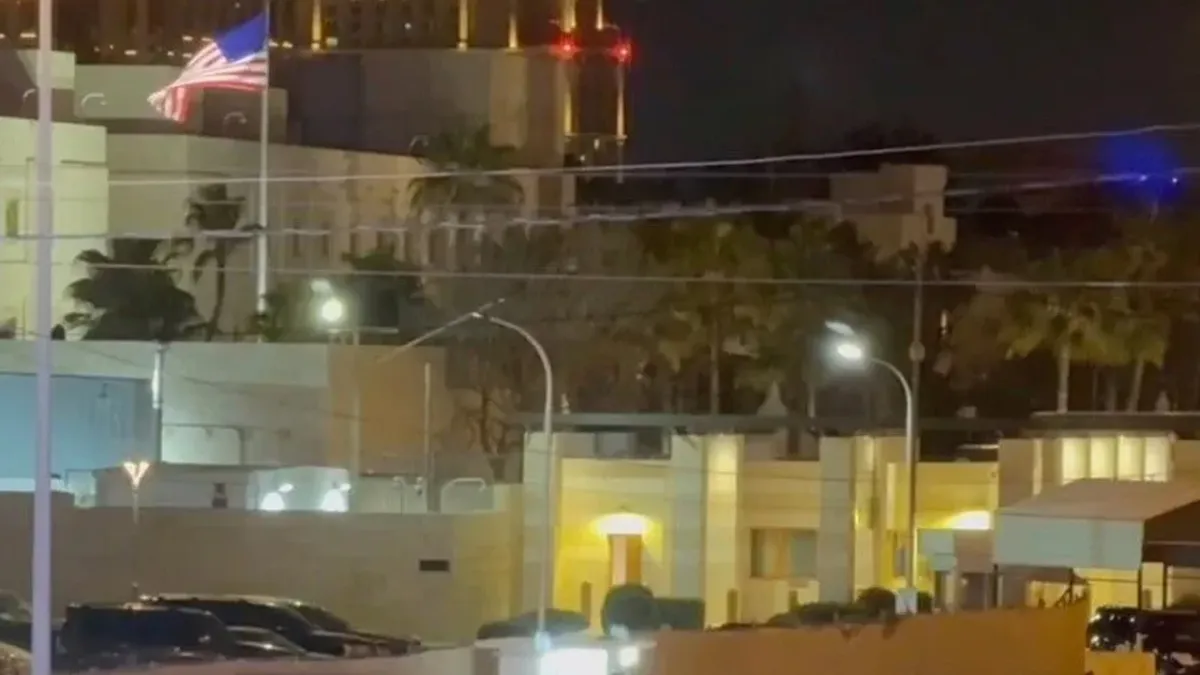
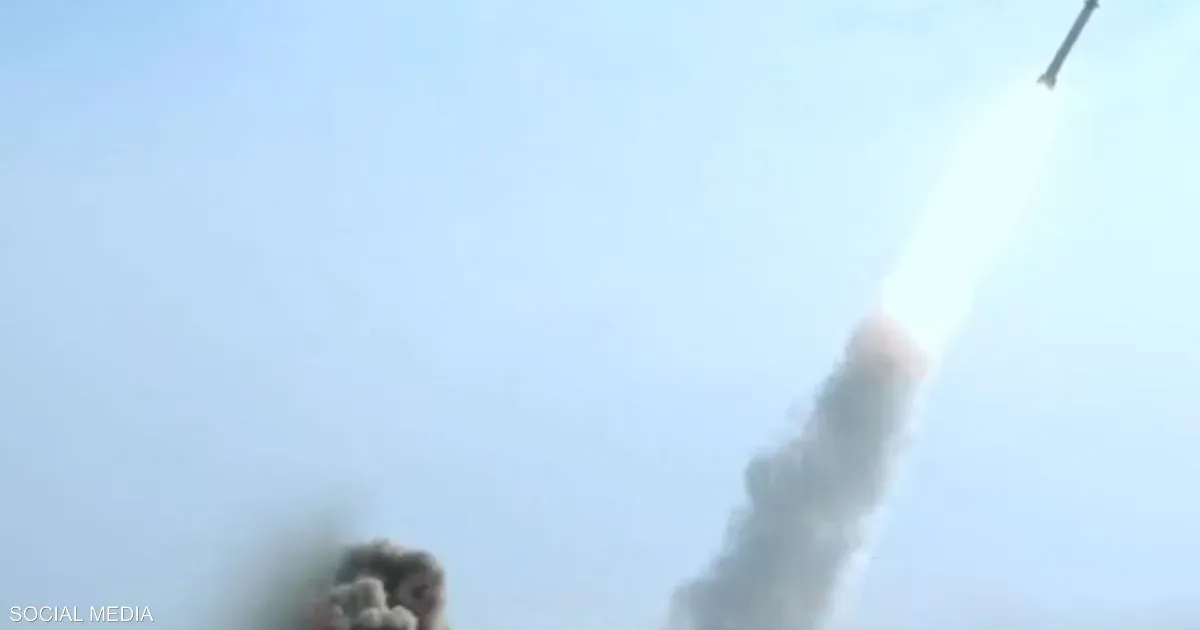
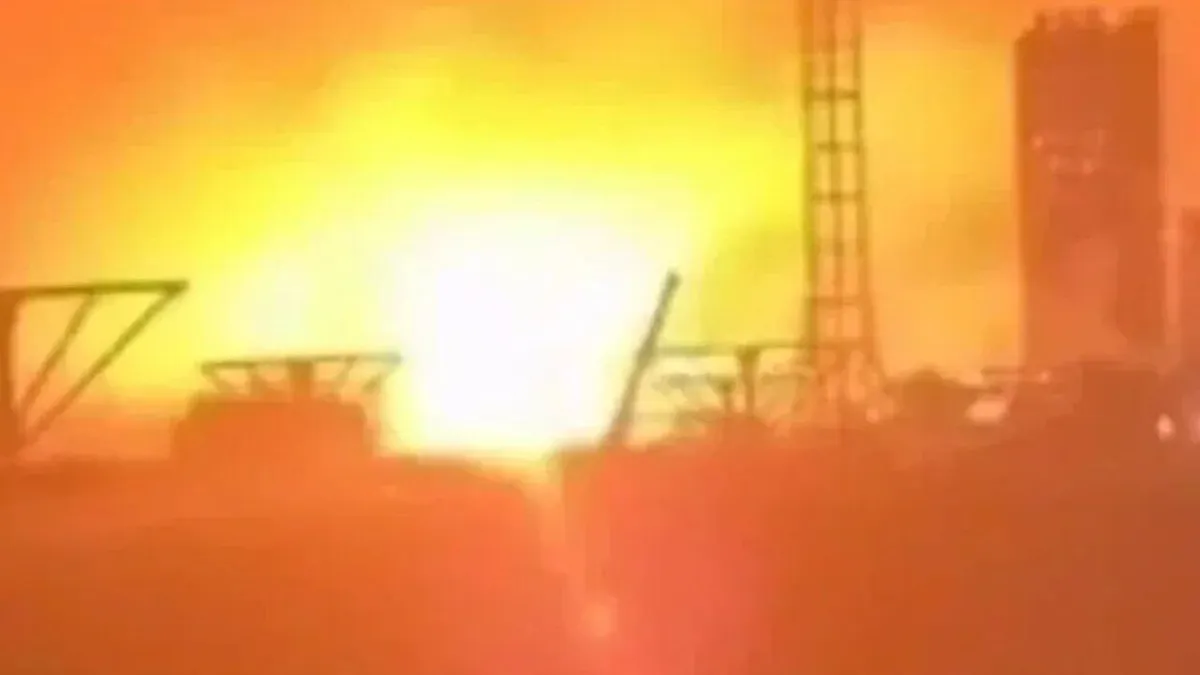
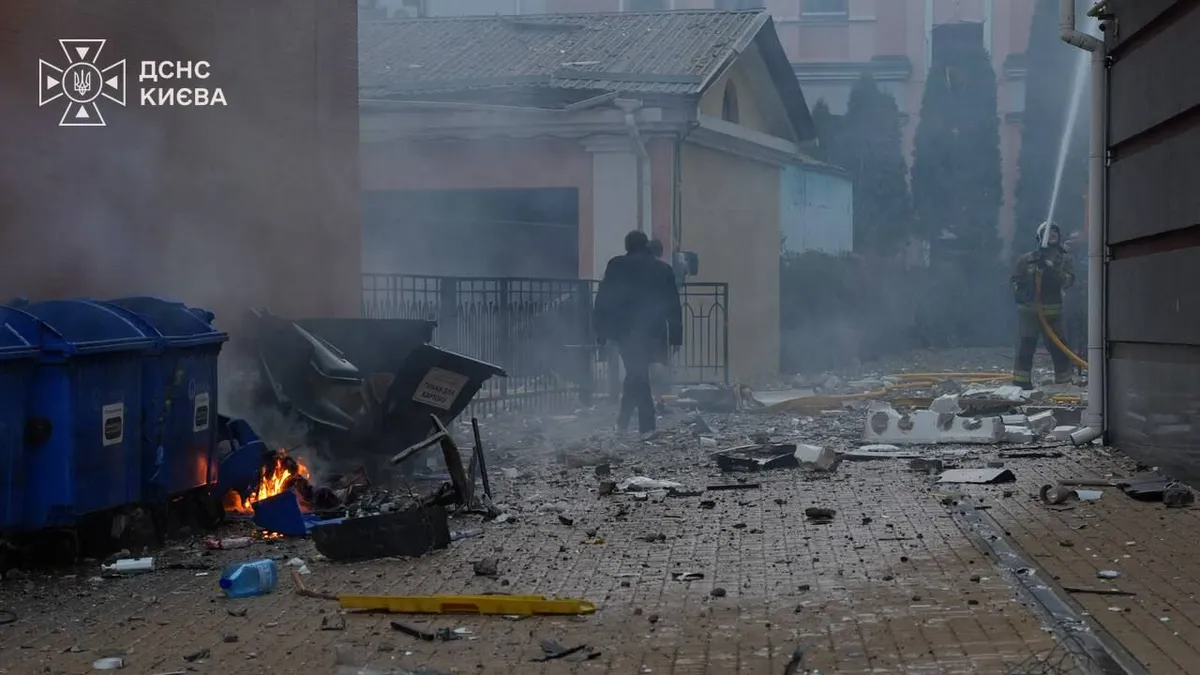
Ukraine struck the Progress Rocket and Space Center in the Russian city of Samara on 15 August. Two Flamingo missiles hit two buildings at the center, The Guardian reported.
The Guardian reported that Facility 106A, a sterile room where base plates for Soyuz launch systems were assembled, was among the targets hit. The Guardian identified the center as the maker of Soyuz-2 rockets. It said the Kremlin gave vague information about the target, while videos on social networks clarified what had been hit. The center also manufactures carrier rockets that Russia uses to put satellites into orbit. Residents of the industrial city on the Volga River first noticed the attack through explosions that sent a cloud of smoke into the air.

Russia is deploying its Rassvet satellite program as an alternative to Starlink. In 2026, Ukraine also attacked other sites connected with Roscosmos, including a complex in Korolyov north of Moscow and a Ukrainian-made radio telescope in occupied Crimea.
Moscow has used Oreshnik ballistic missiles at least three times. The missiles enter near space during flight before deploying multiple warheads. Ukraine has conducted at least three tests of exoatmospheric interception systems designed to intercept targets in near space. Work continues on the possibility of putting the developments into production, but financing remains a main challenge.
Ukraine seeks to reduce its dependence on the American Starlink system and intensified development of its own network after limits on satellite communication. In October, Ukraine and Danish company GomSpace announced the successful launch of Obria Nano, the first test vehicle for a future independent communication system. Their project may involve deploying about 245 satellites. Launching a satellite for Ukraine may cost from several tens of thousands to tens of millions of dollars. The final sum depends on the spacecraft's size, launch cost and maintenance expenses.
Fedir Venislavsky, head of the state security subcommittee of the parliamentary defence committee, said Ukraine must ensure its own sovereign presence in space. He said communication interruptions, whether on the initiative of the United States government or on the part of SpaceX, had endangered military command and control systems. Venislavsky said Ukraine needed to develop means to counter Oreshnik missiles that pose a threat from near space.
Viktoria Samson, head of the space security and stability program of the Secure World Foundation, pointed to risks from dependence on commercial space companies. She said Starlink interruptions and the termination of satellite intelligence exchange with Ukraine showed how decisions by private companies or foreign governments could leave military systems vulnerable.
Russia uses electronic warfare to jam signals, laser systems to blind satellites and inspector satellites that approach foreign spacecraft. The Guardian reported that Kosmos-2612 maneuvered toward a commercial radar satellite belonging to Finnish company Iceye, which provides the Ukrainian military with radar images of terrain. Experts assessed the Russian spacecraft's maneuvers as deliberate pursuit. Such approaches may force operators to change orbit, spend fuel and shorten spacecraft lifetimes.
Doctor Olena Grossfeld of the Swedish Defence University said space war was no longer just a future scenario. Grossfeld said Russia views space operations as part of a broader confrontation because modern war increasingly depends on satellite intelligence and guidance. Experts said the militarization of space was intensifying quickly and international treaties were not keeping pace with technology.
Sources
Digi24 · „Trebuie să trecem la un alt nivel”. Noua frontieră a Ucrainei: cum a devenit spațiul un factor crucial pentru războiul cu RusiaDigi24 · Europe Romania Romanian · s 24 Kanal · Україна переносить протистояння з Росією у космос, – The Guardian24 Kanal · Europe Ukraine Ukrainian · s In this story
Russia
Conflict