UNICEF says 53 percent of Afghan primary-age children lack formal education
The United Nations Children's Fund (UNICEF) and the United Nations Educational, Scientific and Cultural Organization (UNESCO) published a report on education in Kabul on 4 November. UNICEF said 53 percent of primary school-age children in Afghanistan are deprived of access to formal education.
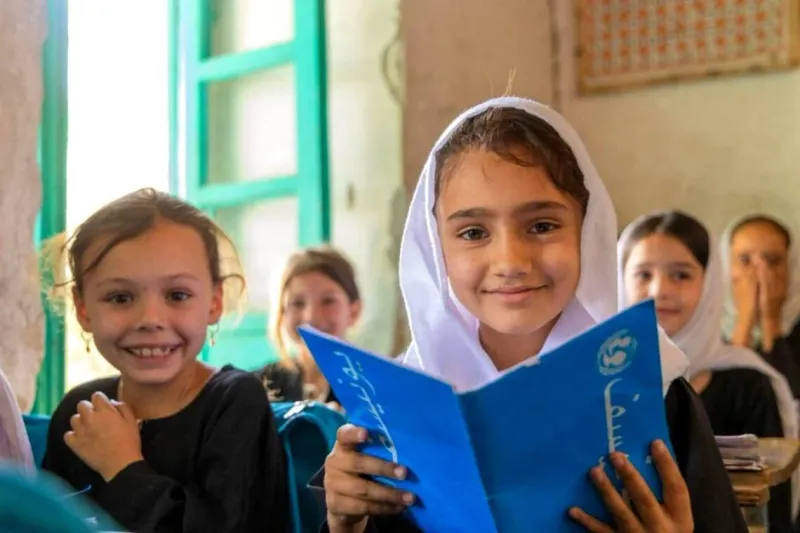
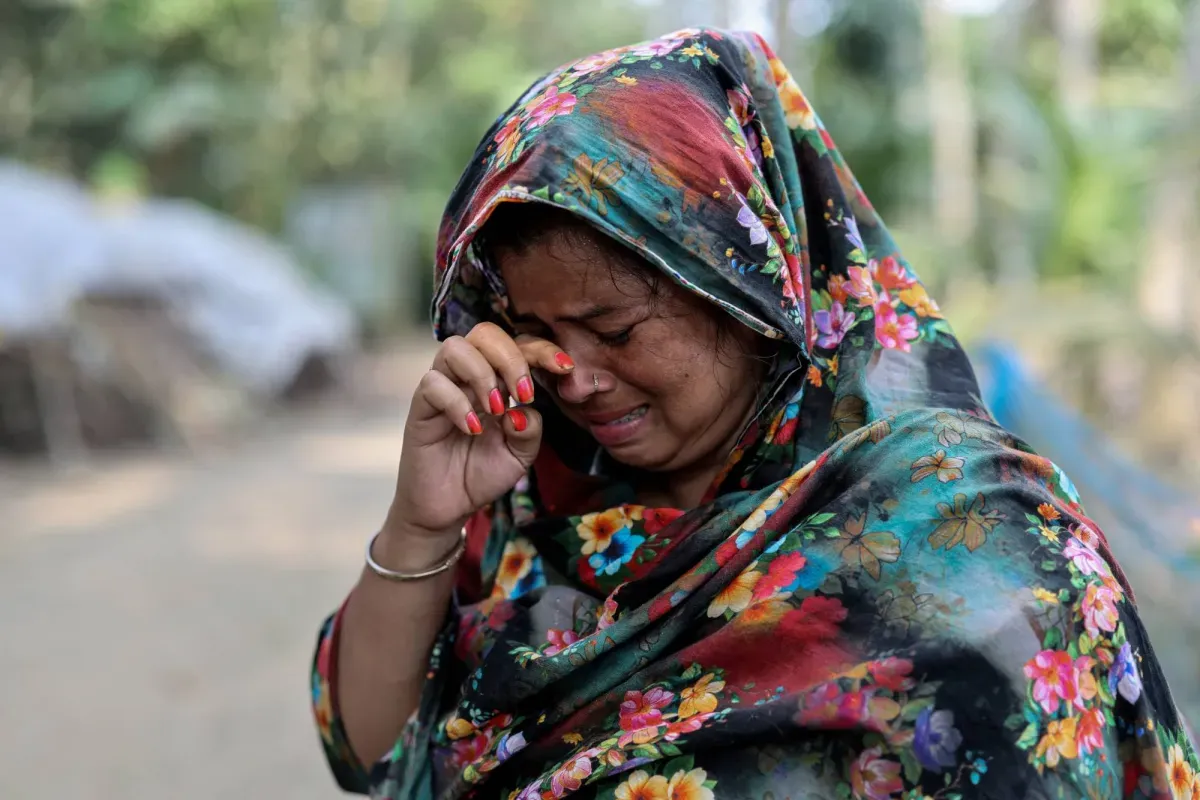
The report said Afghanistan was the only country where girls and women were officially banned from education beyond the primary level. The agencies said more than 2,600,000 girls have been deprived of secondary education since the Iranian year 1400. They said restrictions on girls' education, lack of investment and population growth had deprived millions of people of access to education. UNICEF said those factors, along with restrictions on women's education, had exacerbated the education system's challenges. Population growth has increased pressure on schools.

Approximately 5,300 active local learning classes were operating as of October 2026. Nearly 162,000 people were receiving education in the classes, and 64 percent of them were girls. The agencies said learning centres, literacy programmes, skills training and distance education were highly inadequate for adolescent girls and could not replace in-person education or the right to formal education. Digital education and private tutoring are also among the few remaining ways for teenage girls to continue learning.
Sources
In this story
South Asia