United States FDA orders vision loss warnings on weight-loss drugs
The US Food and Drug Administration (FDA) ordered new warnings for weight-loss and diabetes drugs over potential permanent vision loss in a safety notice on 9 November. The medications include Ozempic, Wegovy and Mounjaro. The FDA said glucagon-like peptide-1 receptor agonist (GLP-1 RA) medications may increase the risk of non-arteritic anterior ischemic optic neuropathy (NAION).
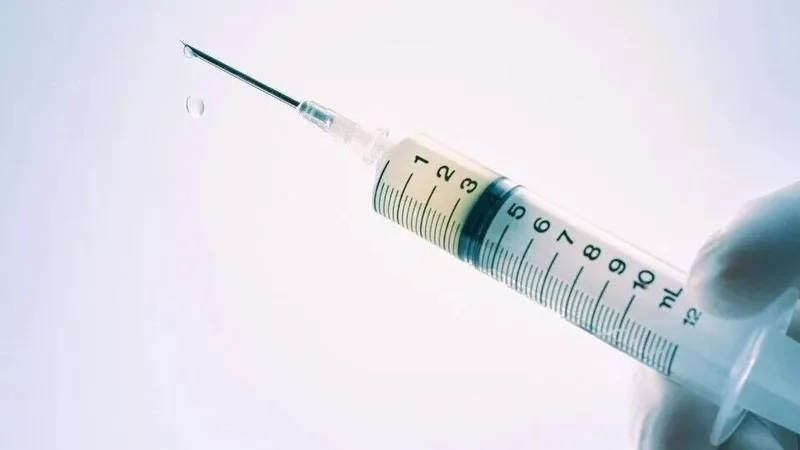
The FDA said the warning applies to all GLP-1 receptor agonist drugs used for obesity, diabetes and other medical conditions, and that holders of marketing applications must add NAION risk information to the warnings section of drug labels. The class includes about 12 drugs, available as injections or oral tablets, including Zepbound, Saxenda and Soliqua. Europe and the United Kingdom had already added the warning to the Ozempic and Wegovy leaflets. Certain GLP-1 drugs are also approved to reduce the risk of major cardiovascular events, including heart attacks, strokes and death, in eligible adults. The drugs mimic GLP-1, a hormone released by the intestine that helps lower blood sugar after eating and acts on brain areas controlling appetite and food intake, and are used to treat type 2 diabetes and control weight.


NAION is caused by reduced blood flow to the front of the optic nerve, though its root causes are not fully understood. Possible risk factors include smoking, diabetes, hypertension, sleep apnea, anemia and kidney disease. There is no known treatment for NAION, and experts said they see no way to determine the risk before obesity or diabetes treatment begins. People with a history of NAION face an increased risk of recurrence, and those who have had it in one eye are at greater risk of developing it in the other eye. Reported incidence in the general population is between 2.3 and 10.2 cases per 100,000 people annually among adults above the age of 50.K
NAION can cause sudden, painless vision loss in one eye. Other warning signs include blurred vision, blind spots, tunnel vision, changes in color perception, partial visual field loss and reduced central visual clarity. Patients with suspicious symptoms are advised to consult an ophthalmologist immediately. Doctors should consider discontinuing GLP-1 RA treatment in patients who develop NAION unless the benefits of continuing treatment clearly outweigh the risks.K
The FDA reviewed 126 clinical trials to assess potential NAION risk, and an analysis of drug development programmes covered 134 253 patients. Researchers identified 15 probable NAION cases in the trials, with ten among patients taking GLP-1 medications and five among those receiving placebo. The FDA said NAION incidence was 6.4 cases among patients using GLP-1 drugs and 3.8 among control groups receiving placebo or non-GLP-1 diabetes drugs, both per 100,000 person-years. The FDA also examined patient records and other studies, and found reports of the problem in its electronic reporting system for drug injuries and side effects. Some findings pointed to increased NAION risk, while others found no statistically discernible difference compared with certain alternative diabetes treatments. K
The FDA began investigating a possible link after a 2024 study found increased NAION risk in patients taking semaglutide, the active ingredient in Ozempic and Wegovy. Other drugs involved include liraglutide and tirzepatide. Medical experts believe more research is needed to determine whether GLP-1 drugs cause NAION.
Companies involved include Novo Nordisk, Eli Lilly and Sanofi. Novo Nordisk said existing studies have not proven that GLP-1 drugs cause NAION. Novo Nordisk official Liz Skrbkova said the company would continue monitoring drug safety. A Novo Nordisk spokesperson said the company trusts the benefit-risk profile of its products. An Eli Lilly spokesperson said the FDA's safety notice was not a finding specific to the company's drugs.T
The company is evaluating seriously and will respond to the regulator as soon as possible.公司正在认真评估,并将尽快回复监管
Eli Lilly spokesperson
Sources
La Nouvelle Tribune · Ozempic et Wegovy : la FDA ajoute un avertissement sur un risque de perte de visionLa Nouvelle Tribune · Africa Benin French · s  El Comercio · FDA alerta sobre un posible riesgo para la visión asociado a Ozempic, Wegovy y otros fármacos para bajar de pesoEl Comercio · Latin America Peru Spanish · s
 The National · FDA orders new warning on GLP-1 drugs over potential risk of blindnessMiddle East United Arab Emirates
 Yeniçağ · FDA uyardı: Ozempic ve Wegovy kullananlar geçici veya kalıcı görme kaybı yaşayabilirYeniçağ · Türkiye Turkish · s
 Nefes · Zayıflama iğnelerinde kalıcı körlük tehlikesi. ABD Gıda ve İlaç Dairesi uyardıNefes · Türkiye Turkish · s Phoenix News (ifeng) · “目前尚无已知的治疗方法”,这几种“减肥神药”可能导致永久性失明Phoenix News (ifeng) · China Chinese (Simplified) · s
 Anadolu Ajansı · ABD'de diyabet ve zayıflama ilaçlarının "nadir bir göz rahatsızlığı riskini artırabileceği" uyarısıAnadolu Ajansı · Türkiye Turkish · s
 Sky News Arabia · فقدان البصر الدائم.. تحذير جديد لمستخدمي أدوية إنقاص الوزنSky News Arabia · Middle East United Arab Emirates Arabic · s
 Qazinform · Ozempic, Wegovy and Mounjaro linked to potential blindness risk, FDA warnsCentral Asia Kazakhstan
 Gazete Oksijen · FDA'den Ozempic ve Zepbound için "gözde yan etki" uyarısıGazete Oksijen · Türkiye Turkish · s
 El Financiero · Ojo ahí: ¿Qué nueva advertencia deberán incluir los medicamentos para bajar de peso?El Financiero · Latin America Mexico Spanish · s

In this story
North America




Society