US Treasury Secretary Scott Bessent reportedly moves to base after threats
US Treasury Secretary Scott Bessent moved from his home to a military base after Iranian threats against his life, three people with knowledge of the matter said. People familiar with the matter said his family moved with him. The severity of the threats is unclear.
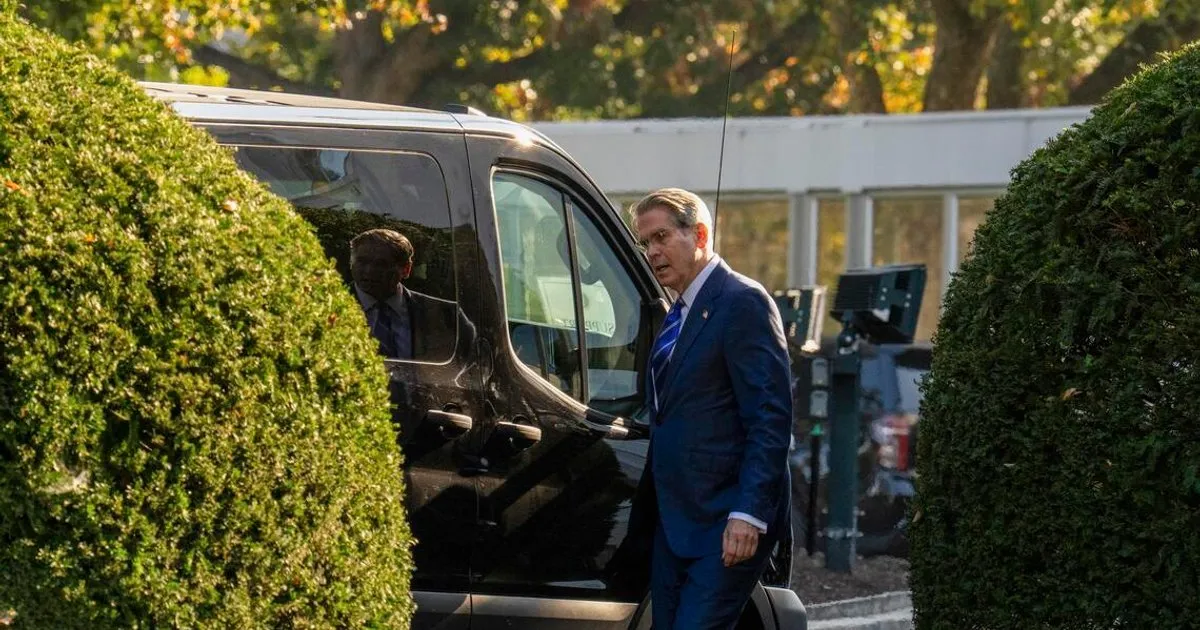
US officials concluded that Iranian plotting against current and former US officials had reached a more advanced stage, based partly on intelligence about threats to Bessent, the three people said. US officials said Iran's ability to carry out large-scale attacks in the United States and other territories overseas was limited, but they regarded specific Iranian threats against individuals as serious. Iran previously denied planning attacks against officials and individuals on US soil. An aerial photograph of Bessent's mansion in Georgetown was published, making it possible to pinpoint the house's location.


Since August 2026, Bessent has led an economic pressure campaign intended to isolate Iran financially through tougher sanctions and restrictions on trade routes. A central aim is to cut off money to the Revolutionary Guard, the most powerful arm of Iran's military, which controls much of the country's economy. The three people said the role had made Bessent one of the administration officials Iran most wants to harm.
Bessent and other officials say the campaign is shrinking Iran's economy, driving the collapse of its currency and sharply degrading living standards. A US Treasury Department spokesperson said Bessent would not be deterred by Iranian threats and remained committed to executing Operation Economic Outcast and maintaining the blockade. Two officials with direct knowledge of US intelligence said it indicated that Iran's hard-line leadership was determined to hold on to power at nearly any cost.

In October 2026, the US government put employees on heightened alert across the Middle East and moved to reduce personnel levels at embassies and consulates because of intelligence showing Iran was in advanced stages of planning attacks against Americans. A senior intelligence official in US President Donald Trump's administration warned late in October that Iran had intensified efforts to target US personnel and that its plots against Americans had reached advanced stages. The US military also moved bombers from a base in the United Kingdom after a suspected terrorist plot against the site.
At least half a dozen senior Trump administration officials left Washington-area homes for a military base or other protected housing in 2025. The administration has not disclosed the scope of threats against top officials, not all of which involve Iran.
Iran has targeted Trump since January 2020, when he ordered the drone strike that killed General Qassem Soleimani, commander of the Revolutionary Guard's Quds Force. Federal prosecutors charged Farhad Shakeri in 2024 with plotting to kill Trump in retaliation for Soleimani's death and described Shakeri as a Revolutionary Guard operative. Several of Trump's national security officials involved in the lead-up to the strike also faced Iranian threats.
FBI Director Kash Patel said on 10 November 2026 that the US Justice Department charged three Iran-backed people suspected of involvement in about 20 plots targeting the United States and Europe. On 6 March 2026, a US federal jury found a man presented as an agent of Iran's Revolutionary Guard guilty of conspiracy to commit murder-for-hire and attempted transnational terrorist act.
The US-Israeli war on Iran began on 28 February. US-Israeli strikes on Iran and Israeli strikes on Lebanon during the war killed thousands of people and displaced millions. US and Israeli attacks killed senior Iranian officials, including Iranian leader Ali Khamenei. The administration hopes economic pressure will spare the United States from resuming major military operations in the war, which Trump has repeatedly promised to bring to a close.
Sources
El Balad · مسئولون أمريكيون: تهديدات إيران لن تعرقل مهام بيسنت بعد انتقاله لقاعدة عسكريةEl Balad · North Africa Egypt Arabic · s  El Financiero · Amenaza de Irán obliga a Scott Bessent, secretario del Tesoro, a mudarse a una base militarEl Financiero · Latin America Mexico Spanish · s La Nouvelle Tribune · États-Unis : menacé par l’Iran, le secrétaire au Trésor Scott Bessent quitte son domicileLa Nouvelle Tribune · Africa Benin French · s 24 Kanal · Міністр фінансів США переїхав на військову базу через погрози з боку Ірану24 Kanal · Europe Ukraine Ukrainian · s
 Interia · Alarmują o poważnej operacji Iranu. Członek rządu USA ewakuowany z rodzinąInteria · Europe Poland Polish · s
 CBS News · Bessent relocates from home to base after Iran threats, report saysNorth America United States
 LBCI · US Treasury chief Bessent moved to military base after Iranian threatsLBCI · Middle East Lebanon Arabic · s
 BusinessWorld · US Treasury chief Bessent moved to military base after Iranian threats, sources sayAsia Pacific Philippines
 Gazete Oksijen · ABD Hazine Bakanı Bessent, İran tehdidi nedeniyle askeri üsse taşındıGazete Oksijen · Türkiye Turkish · s
 N1 Slovenija · Ameriški minister se je zaradi groženj preselil v vojaško oporiščeN1 Slovenija · Balkans Slovenia Slovenian · s
 Nefes · Amerikalılara Amerika'da rahat yok. Hazine Bakanı korkudan evini askeri üsse taşıdıNefes · Türkiye Turkish · s
 BirGün · NYT'den iddia: ABD Hazine Bakanı Bessent, İran tehdidi nedeniyle askeri üsse taşındıBirGün · Türkiye Turkish · s
 Digi24 · Șeful Trezoreriei SUA, Scott Bessent, s-a mutat într-o bază militară din cauza amenințărilor iranieneDigi24 · Europe Romania Romanian · s
 Anadolu Ajansı · New York Times: ABD Hazine Bakanı Bessent, İran tehdidi nedeniyle askeri üsse taşındıAnadolu Ajansı · Türkiye Turkish · s
 Kronen Zeitung · Drohungen aus dem Iran - US-Finanzminister zieht auf Militärbasis umKronen Zeitung · Europe Austria German · s
 Maariv · בגלל איומים מאיראן: הבכיר האמריקאי עבר להתגורר בבסיס צבאיMaariv · Middle East Israel Hebrew · s
 Khaama Press · US Treasury Secretary Scott Bessent Moves to Military Base Over Iran ThreatsSouth Asia Afghanistan

 Etilaatroz · نیویورکتایمز: وزیر خزانهداری امریکا در پی تهدیدهای ایران به یک پایگاه نظامی منتقل شدEtilaatroz · South Asia Afghanistan Persian · s

 Madhyamam · ഇറാൻ വധഭീഷണി; യു.എസ് ട്രഷറി സെക്രട്ടറി രഹസ്യ ക്യാമ്പിലേക്ക് മാറിMadhyamam · India Malayalam · s
 Argumenty i Fakty · NYT: Скотт Бессент перебрался на военную базу после угроз в свой адресArgumenty i Fakty · Russia Russian · s
 Afghanistan International (Persian) · وزیر خزانهداری امریکا در پی تهدیدهای جمهوری اسلامی به «پایگاه نظامی منتقل شد»Afghanistan International (Persian) · South Asia Afghanistan Persian · s
 Iran International (Persian) · وزیر خزانهداری آمریکا در پی تهدیدهای جمهوری اسلامی به پایگاه نظامی منتقل شدIran International (Persian) · Europe United Kingdom Persian · s El Balad · بعد تهديدات إيرانية باغتياله .. وزير الخزانة الأمريكي يُغادر منزله إلى قاعدة عسكريةEl Balad · North Africa Egypt Arabic · s
 The Express Tribune · US Treasury chief Bessent moved to military base after Iranian threats, sources saySouth Asia Pakistan Asharq Al-Awsat · «صحيفة»: انتقال وزير الخزانة الأمريكي لقاعدة عسكرية عقب تهديدات إيرانيةAsharq Al-Awsat · Middle East Saudi Arabia Arabic · s Sky News Arabia · تقرير: بيسنت ينتقل من بيته لقاعدة عسكرية بعد تهديدات إيرانيةSky News Arabia · Middle East United Arab Emirates Arabic · s The Straits Times · US Treasury chief Bessent moved from home to military base amid Iranian threatsAsia Pacific Singapore

In this story
North America

Conflict