Vulcan rocket failure costs Amazon 40 satellites after Florida launch
United Launch Alliance suffered its first failed mission when its Vulcan rocket failed after launching from Cape Canaveral in Florida on 15 November. Amazon lost 40 satellites from its internet constellation.
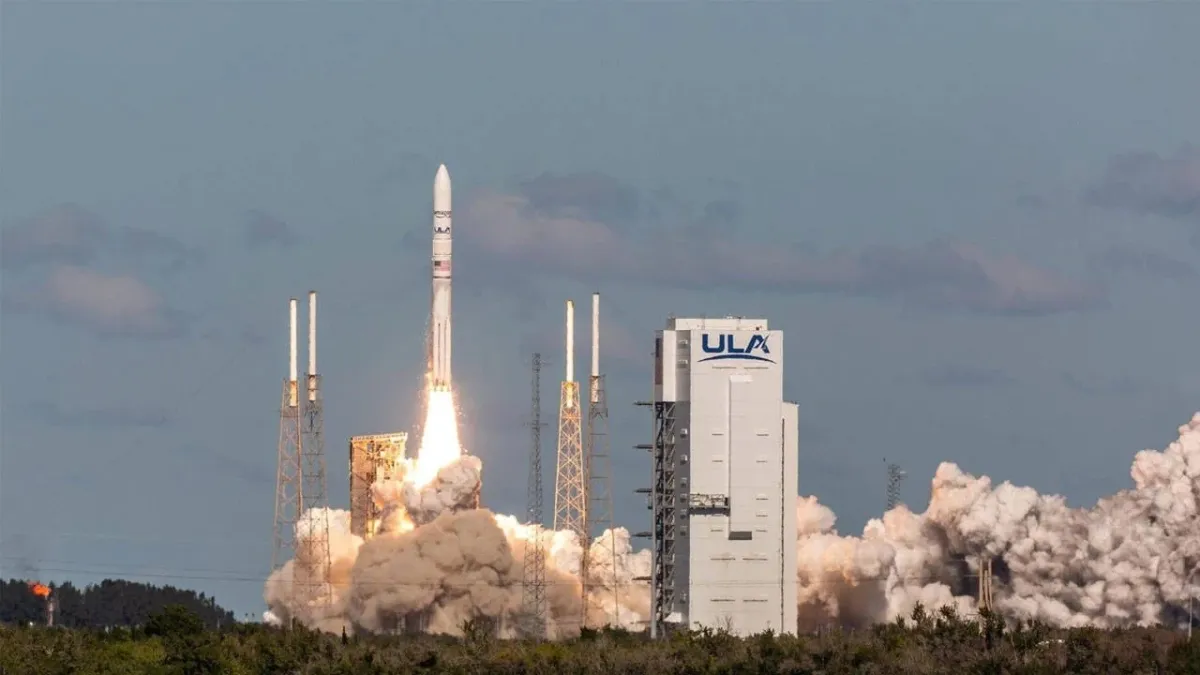
United Launch Alliance said data received by its launch director confirmed the rocket suffered an anomaly 10 minutes into flight and failed to put Amazon's mission into orbit. Reuters reported that the failure occurred after the satellite-carrying second stage separated. The cause was not immediately clear. United Launch Alliance said the rocket launched from Space Launch Complex 41. The company is a joint venture between Boeing and Lockheed Martin.


United Launch Alliance said a technical investigation into the incident would be launched. On 16 November, the company said it did not yet have specific data to understand the anomaly. An agency source said Blue Origin was participating in the investigation into the Vulcan failure. Vulcan flights had been suspended after technical problems with solid-fuel side boosters and main BE-4 engines on its previous two flights. The incident could lead to a months-long flight ban for Vulcan.


The mission was the first of the flights Amazon had contracted. Amazon contracted 38 launches with United Launch Alliance. Vulcan is intended over the long term to launch about half the satellites in the first generation of Amazon's Leo orbital network. The network is planned to comprise 3232 satellites. Amazon has launched about 400 satellites since April 2025.
Amazon had announced plans to use satellites to launch its Amazon Leo commercial internet service in 2026. Amazon founder Jeff Bezos is in competition with Elon Musk's Starlink project. United Launch Alliance aimed to begin regular launches for Amazon's expanding internet satellite constellation using Vulcan.
Sources
 24 Kanal · Робот у космосі вперше сам збудував конструкцію без допомоги астронавтів24 Kanal · Europe Ukraine Ukrainian · s
 Nefes · Amazon'un internet projesine kötü haber. 40 uydu uzaya yerleştirilemediNefes · Türkiye Turkish · s Kronen Zeitung · „Wir lernen etwas“ - Rakete stürzte ab: Amazon verliert 40 SatellitenKronen Zeitung · Europe Austria German · s The Insider · Ракета Vulcan взорвалась через 10 минут после старта, на борту у неё бы 40 спутников интернет-провайдера Amazon LeoThe Insider · Russia Russian · s
 Polsat News · Awaria rakiety niedługo po starcie. Amazon stracił dziesiątki satelitówPolsat News · Europe Poland Polish · s
 Yeniçağ · Amazon'un 40 uydusunu taşıyan Vulcan roketi arızalanarak başarısız olduYeniçağ · Türkiye Turkish · s
 Tagesschau (ARD) · Missglückter Raketenstart: Amazon verliert 40 SatellitenTagesschau (ARD) · Europe Germany German · s
 Anadolu Ajansı · Amazon'un 40 internet uydusunu taşıyan Vulcan roketi görevinde başarısız olduAnadolu Ajansı · Türkiye Turkish · s
 La Tercera · Lanzamiento fallido desde Cabo Cañaveral de un cohete Vulcan destruye 40 satélites de AmazonLa Tercera · Latin America Chile Spanish · s Digi24 · Eșec pentru racheta Vulcan a United Launch Alliance: propulsorul spațial a explodat, distrugând 40 de sateliți din rețeaua Amazon LeoDigi24 · Europe Romania Romanian · s The Express Tribune · Rocket from Boeing-Lockheed firm fails mid-flight, destroys payload of Amazon satellitesSouth Asia Pakistan
 Phoenix News (ifeng) · 美国ULA“火神”火箭发射完全失败,40颗亚马逊卫星全部损失Phoenix News (ifeng) · China Chinese (Simplified) · s Sky News Arabia · انتكاسة لـ"أمازون".. فقدت 40 قمرا اصطناعيا دفعة واحدةSky News Arabia · Middle East United Arab Emirates Arabic · s

In this story
North America


Tech