Dominican President Luis Abinader backs El Salvador's Haiti operations
Dominican President Luis Abinader backed El Salvador's military operations against gangs in Haiti on 10 November and defended Salvadoran President Nayib Bukele. United States State Department officials expressed reservations about the operations despite support from United States President Donald Trump, Axios reported. United States Chargé d'Affaires in Haiti David Howell told Haitian Prime Minister Alix Didier Fils-Aimé that El Salvador was not coordinating with the United Nations Security Council-backed Gang Suppression Force (GSF), while Salvadoran government lobbyist Damian Merlo said its forces were coordinating closely with the GSF and the prime minister's office.
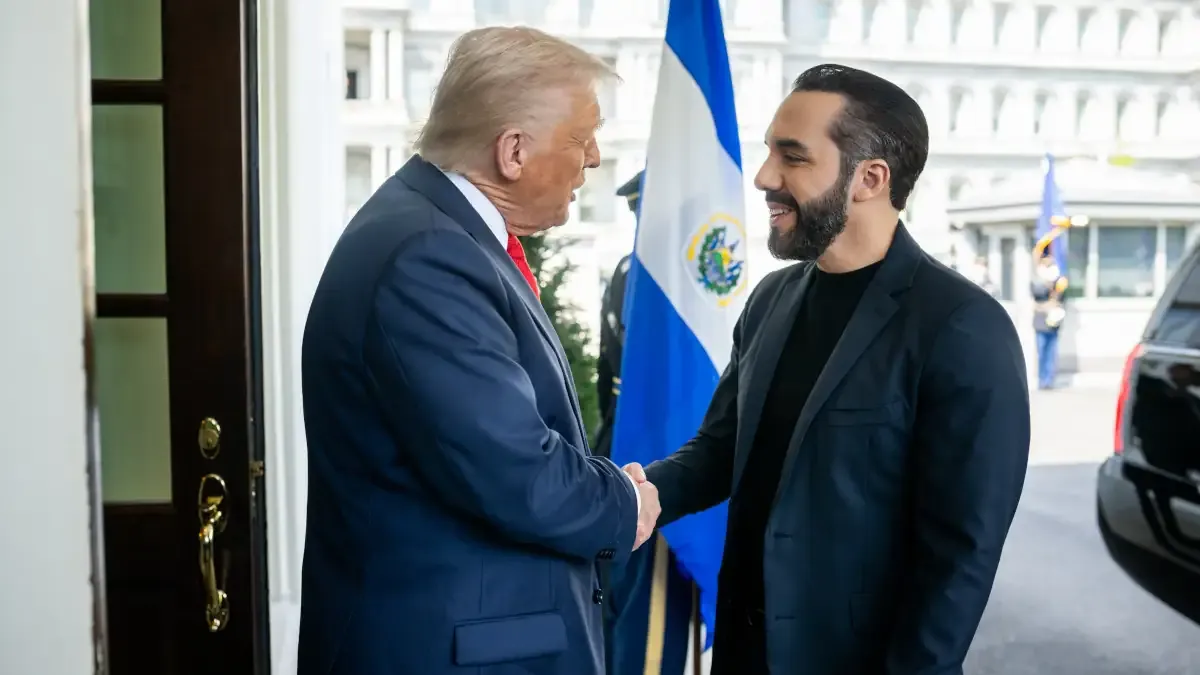
Abinader said the Dominican Republic would continue providing logistical and intelligence support to the Salvadoran military. He called on the GSF to coordinate its actions with El Salvador's troops to “decisively support the Salvadoran military and the attitude of President Bukele”. GSF spokesperson Igor Rugwiza said the force was coordinating closely with Haitian authorities and relevant international partners in support of shared security objectives.A
Criminal gangs captured four Salvadoran aviation technicians supporting medical evacuation work on 18 October. Bukele sent special forces after the gangs ignored his demands to free the technicians or hand over their bodies. The deployment began in late October, and some 2,500 troops from El Salvador are battling violent gangs in Haiti. Bukele said on 3 November that Salvadoran attack helicopters had repelled a gang offensive against GSF soldiers from Chad. Bukele applies in Haiti a method used in El Salvador since 2022: a state of emergency and mass arrests, which human rights defense organizations consider contrary to civil liberties.A

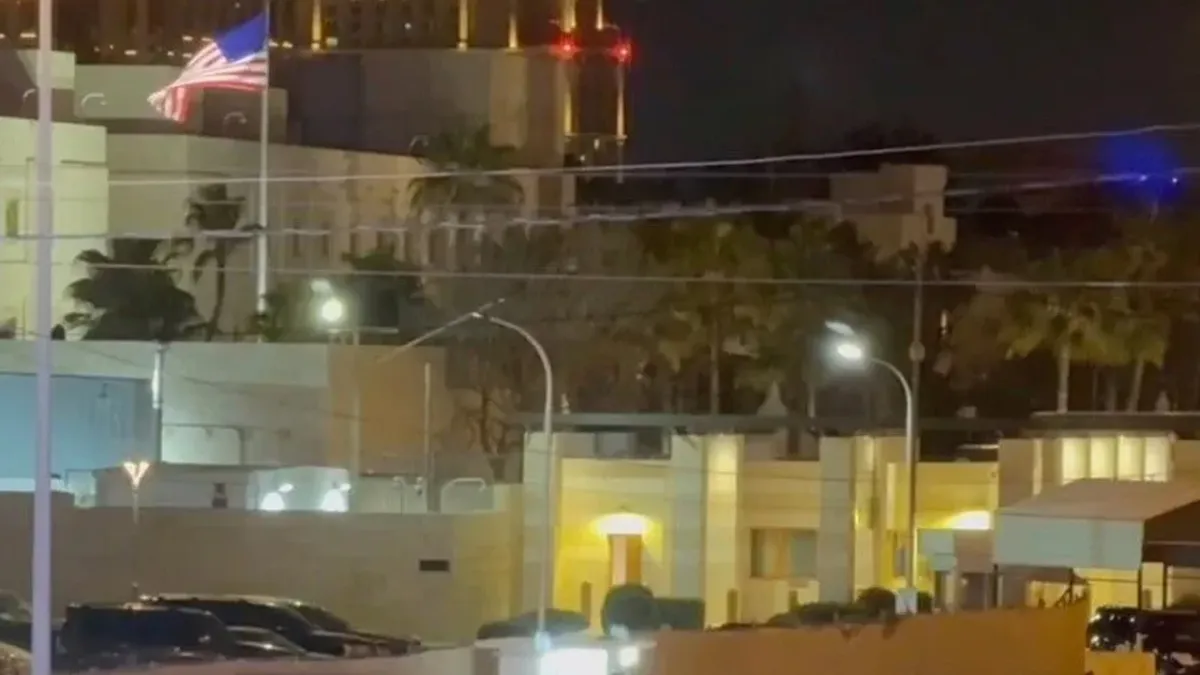
Axios reported that a gang attacked a Salvadoran convoy of five armored vehicles near the United States Embassy in Haiti in Port-au-Prince on 31 October. The United States detected Salvadoran military small-arms fire that hit the embassy facilities and nearly wounded United States personnel. Howell asked the Haitian prime minister to have the Salvadoran Defense Ministry halt operations as soon as possible until coordination was ensured.
They had at least three casualties. They have no medical plan. They almost killed GSF soldiers, as I understand itTuvieron al menos tres bajas. No tienen un plan médico. Casi matan a soldados de las GSF, según tengo entendido
United States Chargé d'Affaires in Haiti David Howell
Bukele's government sent a diplomatic note accusing Howell of spreading false information about the intervention. Salvadoran authorities said Howell had presented no proof. The United States Embassy in San Salvador sent the government a formal protest alleging that a lack of coordination endangered the GSF. The State Department did not say who authorized the protest or comment on the letter to the Haitian prime minister.
The United Nations (UN) said most Salvadoran military personnel in Haiti did not operate within the GSF and reminded them to respect international law. Before the technicians were attacked, El Salvador had signed no agreement with the UN, no protection agreement with the Haitian government and no protocol with the Dominican Republic to evacuate wounded personnel.
Sources
El Comercio · El Departamento de Estado de Estados Unidos cuestiona la ofensiva de El Salvador en Haití, según AxiosEl Comercio · Latin America Peru Spanish · s La Nouvelle Tribune · Haïti : Bukele et l’administration Trump en désaccord sur l’opération militaireLa Nouvelle Tribune · Africa Benin French · s Diario Libre · Luis Abinader: "Hay que apoyar decididamente al ejército salvadoreño"Diario Libre · Latin America Dominican Republic Spanish · s Diario Libre · Operaciones de Nayib Bukele en Haití generan tensiones con EE.UUDiario Libre · Latin America Dominican Republic Spanish · s In this story
Latin America
Conflict