International Energy Agency warns of Middle East energy security threat
The International Energy Agency (IEA) warned on 19 November that the Middle East crisis posed the greatest threat to energy security in history. In its annual World Energy Outlook report, the IEA said consumers were bearing increasing costs as options for mitigating supply disruptions diminished.
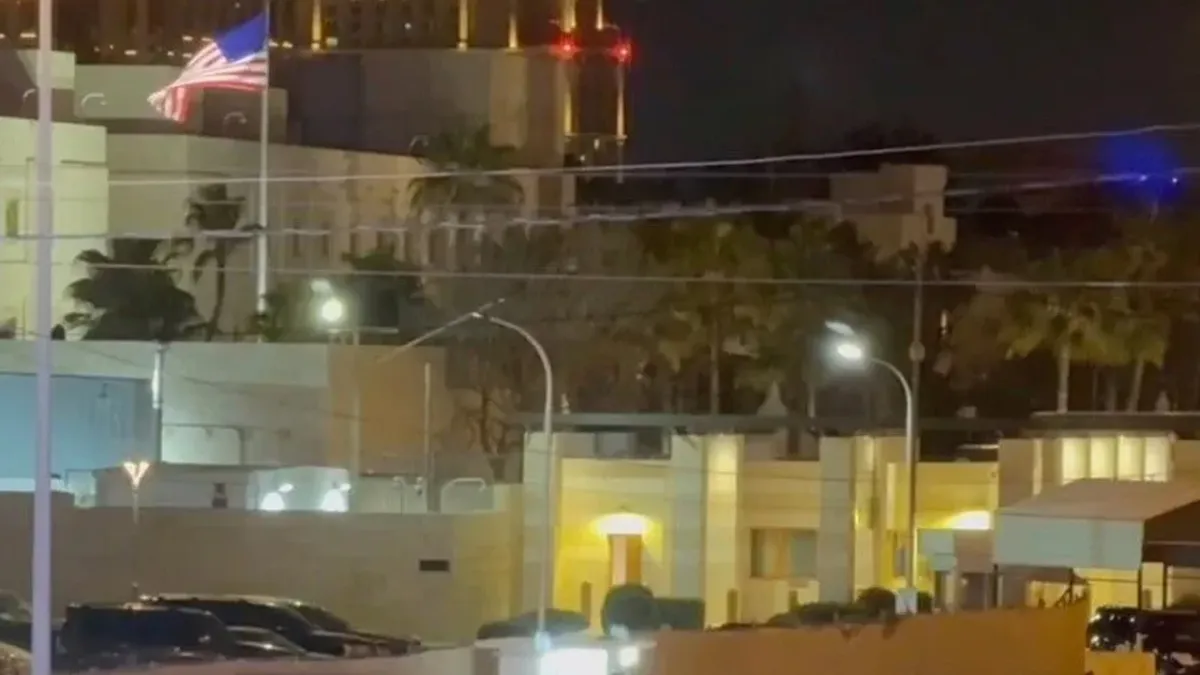
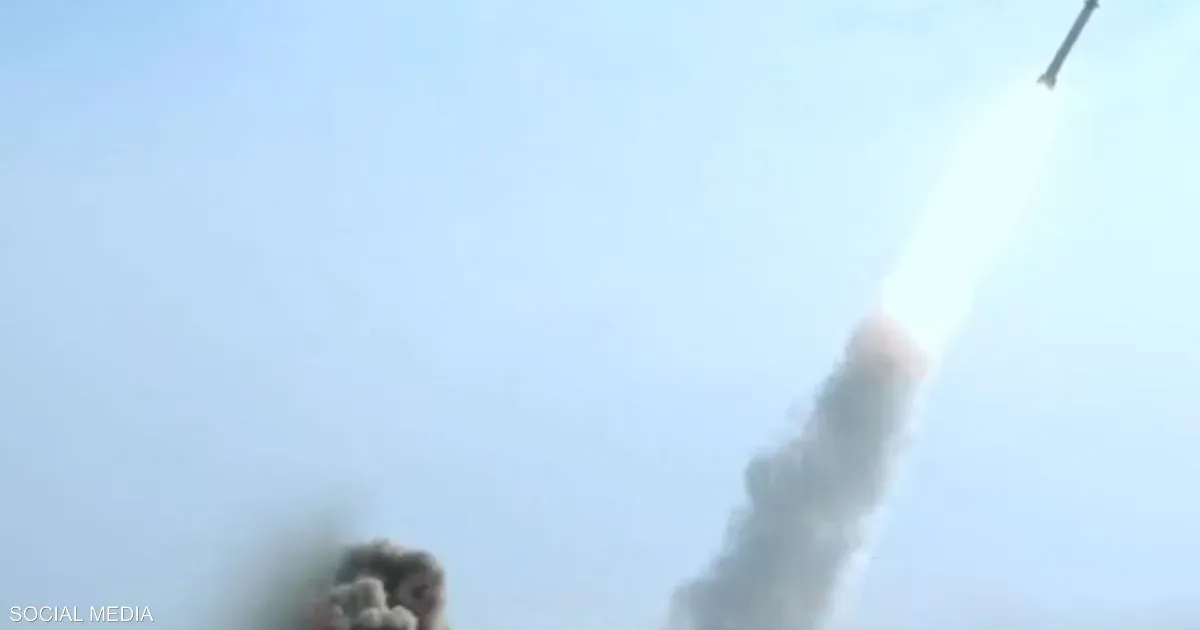
Attacks by Israel and the United States on Iran on 28 February triggered the Middle East war. Gulf states have struggled to export oil since Iran imposed tight restrictions on shipping through the Strait of Hormuz at the outbreak of the war. The United States responded by imposing a blockade on Iranian ports. Iran regularly announces that it has targeted ships that do not follow its designated route along the Iranian coast through the strait. Supply movements through the strait remain severely disrupted despite the United States escorting an increasing number of ships through it. T
About one fifth of the world's oil and liquefied natural gas shipments passed through the strait before the crisis. 24KZ reported that the global market had received nearly 2 billion 800 million fewer barrels of oil and about 60 billion fewer cubic metres of gas from Gulf countries since the conflict began. The IEA said disrupted oil supplies had raised prices and left consumers increasingly vulnerable to the crisis. Diesel prices rose particularly sharply and repeatedly exceeded 200 dollars per barrel in 2026.

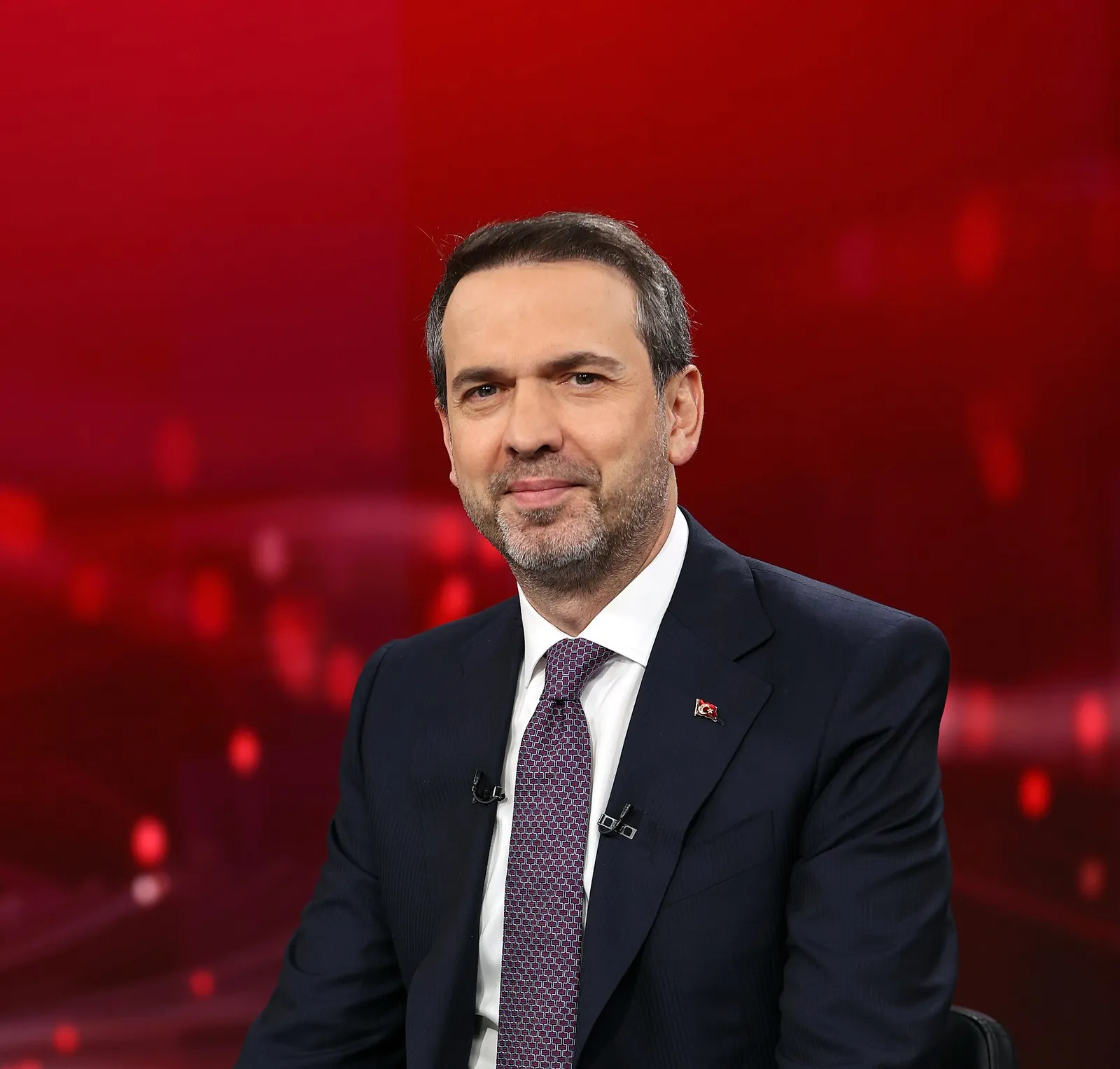
IEA Executive Director Fatih Birol wrote that the scale of the Strait of Hormuz crisis far exceeded the oil shocks of the 1970s. Birol warned that it would have long-term effects on energy markets and the global economy. The IEA also warned that the conflict would prevent a return to pre-crisis conditions. Birol said states were emphasizing diversification and protection against future disruptions, with energy security and affordability central to the political agenda. T
Birol said producing countries had increased market supplies, countries had used alternative export routes and China had reduced purchases from international markets to limit the crisis's effects. He said governments had intervened to protect consumers, who still faced occasional supply shortages. The IEA said Saudi Arabia's East-West pipeline allowed Saudi oil exports to reach the Red Sea and preserved about 60 billion dollars in Saudi revenue during the opening months of the war.
The IEA said the world could end its energy dependence on the strait if about 240 billion dollars were invested in alternative pipelines and new energy supply sources. The agency estimated that new bypass pipelines would require about 40 billion dollars. It said balancing the oil market without restoring oil flows through the strait would require 200 billion dollars in investment in oilfields elsewhere. New bypass pipelines could cut the volume of supplies passing through the strait almost in half by 2030. Birol said the world could potentially function without the strait, although doing so would be difficult.
Sources
Euronews Türkçe · IEA'den uyarı: Orta Doğu'daki çatışma tarihin en büyük enerji güvenliği tehdidiEuronews Türkçe · Europe France Turkish · s Khabar 24 · МЭА: мир недополучил 2,8 млрд баррелей нефтиKhabar 24 · Central Asia Kazakhstan Russian · s  Telma · ИЕА: Ормуската Теснина може да се замени со алтернативни нафтоводиTelma · Balkans North Macedonia Macedonian · s Oman Daily · وكالة الطاقة: أزمة مضيق هرمز أكبر تهديد لأمن الطاقة في التاريخOman Daily · Middle East Oman Arabic · s
 Asharq Al-Awsat · وكالة الطاقة الدولية: أزمة هرمز أكبر تهديد لأمن الطاقة في التاريخAsharq Al-Awsat · Middle East Saudi Arabia Arabic · s
 BusinessWorld · Energy-security response to Iran war could cut oil demand by 4% by 2035, IEA saysAsia Pacific Philippines
 The National · IEA says $40bn spent on pipelines will not end Gulf’s Hormuz dependenceMiddle East United Arab Emirates
In this story
Middle East