Mali creates public company for foreign purchases and exports
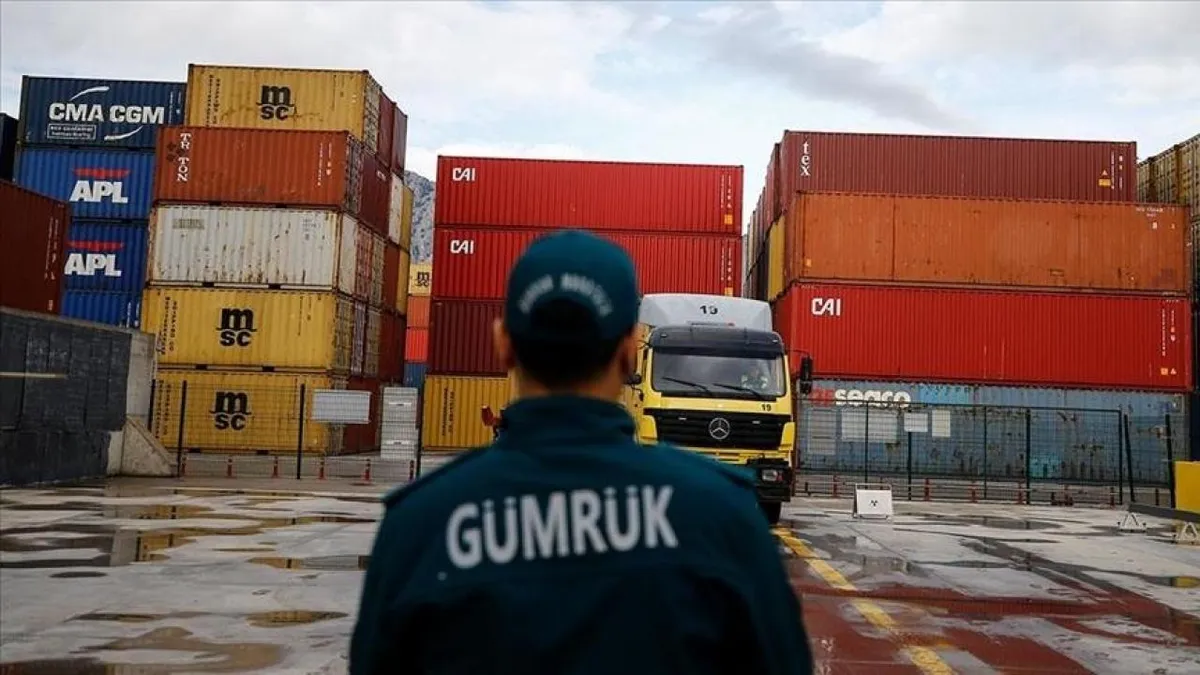
Mali's Council of Ministers adopted texts creating public company SUGU S.A. on 18 November. The company will buy goods and services abroad on the state's behalf and export strategic products.
Army General Assimi Goïta presided over the meeting at Koulouba Palace. The texts followed a submission by the industry and commerce minister. A communiqué said the company would also undertake other operations connected with its purpose.

The Malian government wants the company to secure the country's supplies and improve sales of its products abroad. It cited heavy dependence on imported equipment, energy products, food, medicines and production inputs, as well as geopolitical tensions and market volatility. Published information does not specify the company's capital, supervising authority or the products it will handle. Its operations start date has not been announced.
In January, the Council of Ministers approved a majority stake of 51 % in FARATCHI-CO SA, an industrial-explosives joint venture formed with China's Auxin Chemical Technology. On 25 September, the council approved the creation of the Malian Transport and Logistics Company to transport passengers and goods by road in Mali and abroad.
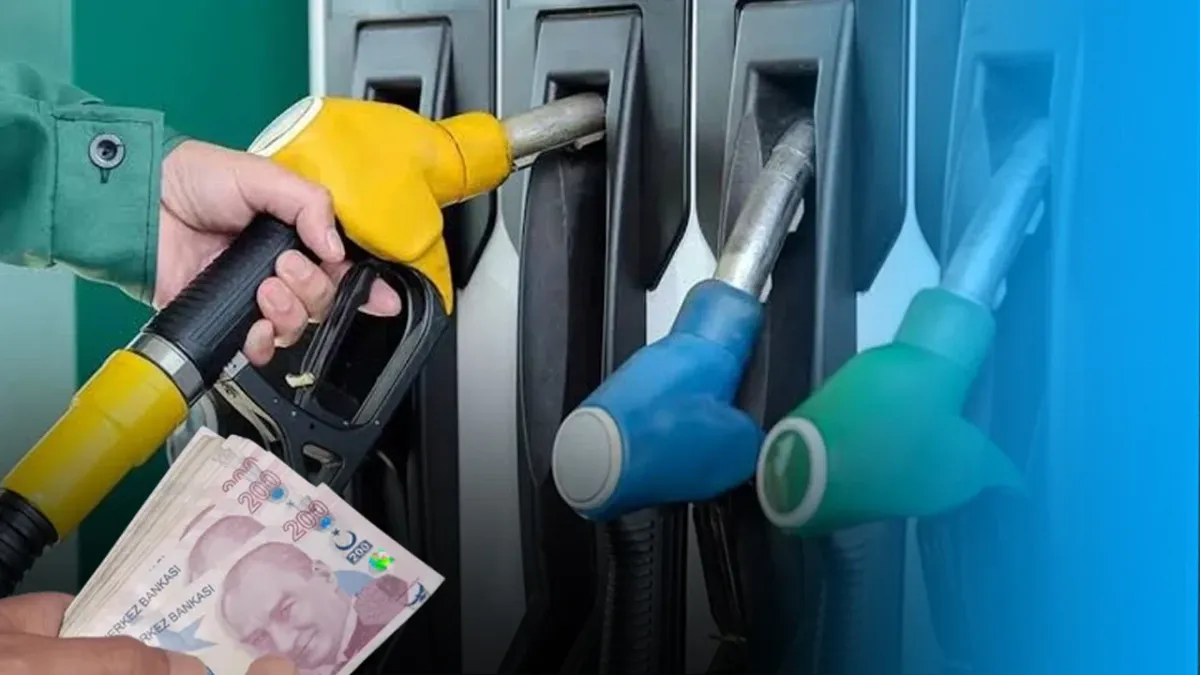
Landlocked Mali depends on road corridors connecting it to ports in coastal countries. It imported 2.665 billion litres of petroleum products in 2024. Its fuel supply has experienced several periods of severe strain since September 2025, when the al-Qaeda-linked Jnim imposed an embargo on fuel imports. Mali experienced long weeks of severe shortages, and attacks during the embargo targeted tanker-truck convoys.
On 19 January, Minister Moussa Alassane Diallo said the fuel situation was gradually returning to normal. Mali's transitional government announced fuel rationing on ORTM on 20 January, limiting filling-station visits. The measure capped visits for cars at one every three days and for motorcycles at one every two days.
Timeline
- An attack on a convoy near Kayes on 29 January killed more than a dozen drivers and at least ten military personnel.
- On 1 April, the Council of Ministers adopted a scheme providing for a national safety stock covering 45 days of consumption of gasoline, diesel, Jet A1 and butane gas.
- A report dated 16 November recorded 3 796 tanker arrivals in Bamako in September, nearly 4 000 in October and 1 505 since the beginning of November, with October convoys escorted by the army.
Sources
La Nouvelle Tribune · Mali : avec SUGU S.A., l’État veut sécuriser le commerce extérieurLa Nouvelle Tribune · Africa Benin French · s Malijet · Importations, exportations : le Mali se dote d’un nouvel outilMalijet · Africa Mali French · s In this story
Africa
Economy