Peru authorizes Armed Forces to help secure prisons
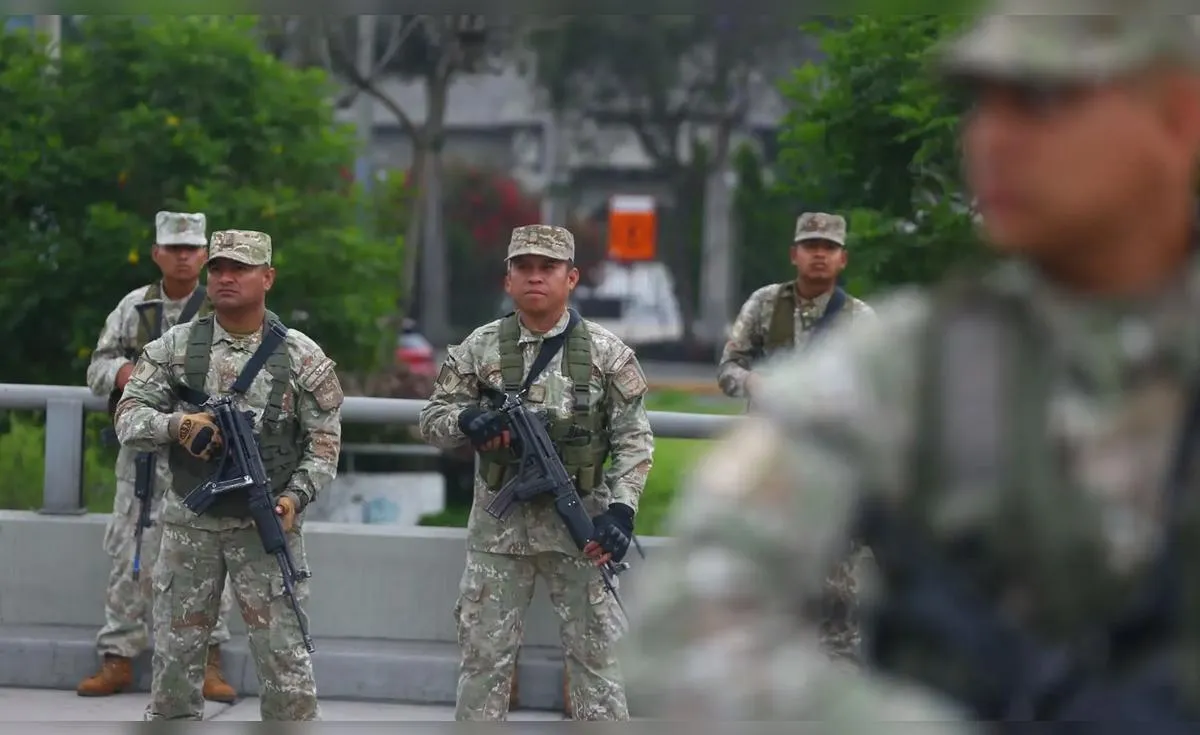
The Government of Peru published a decree on 8 November authorizing temporary Armed Forces participation in external security at prisons declared in emergency. Legislative Decree No. 1742 covers 15 actions for prison security.
It was the first legislative decree published by Keiko Fujimori's government after the delegation of legislative faculties, 18 days after the delegation to the Executive. The decree also permits participation at prisons in situations requiring additional protection. Interventions must be coordinated with the National Police and INPE, respecting each institution's competences and the limits of the emergency declaration. INPE must delimit prison influence zones with competent authorities within five calendar days after an emergency declaration.

The Armed Forces may carry out surveillance, patrolling and intelligence in prison exterior and influence zones and at observation posts. They may protect perimeters and support the National Police in identity checks and registration of people and vehicles. They may also support checks and registration of visitors, suppliers and prison staff entering prisons. They may conduct military actions against external attacks, rescue attempts, escapes and other threats compromising external prison security.
The Armed Forces may support the National Police and the Transport and Communications Ministry in detecting and dismantling unauthorized antennas, repeaters and communication equipment near prisons. They may help install and operate radio-signal inhibitors and detectors to prevent unauthorized telecommunications. They may also intercept unauthorized drones.
Five high-danger prisons have been declared in emergency: Trujillo Varones, Cochamarca, Miguel Castro Castro, Ancon I and Challapalca. Armed Forces support also applies to other prison emergencies, including natural disasters and escape or rescue threats. During transfers of highly dangerous inmates by land, air, river or lake, support can include evacuation, assistance, communications and logistics. The Armed Forces may also provide air and ground transport and logistics for personnel deployment during inmate transfers.
The resolution says implementation is financed from the budgets of the entities involved, without additional Public Treasury funds. Lawyer Carlos Caro said on social media that the lack of additional financing was concerning. He also said the rule was left out of prior regulatory impact analysis.
Its effectiveness will depend on what each sector can reallocateSu eficacia dependerá de lo que cada sector pueda reasignar
lawyer Carlos Caro
Caro said flying drones over prisons and their restricted zones is prohibited and punishable except with exceptional authorization under amended Law 30740. He said operators of inhibitors must avoid and correct interference if the devices affect telecommunications outside a prison.
Sources
La República Perú · Fuerzas Armadas resguardarán el exterior de los penales de manera temporalLa República Perú · Latin America Peru Spanish · s Gestión · Gobierno autoriza a Fuerzas Armadas a tomar estas acciones en seguridad de cárcelesGestión · Latin America Peru Spanish · s