Privy Council overturns Trinidad and Tobago same-sex law
The Judicial Committee of the Privy Council (Privy Council) ruled unanimously in favour of Jason Jones on 10 November in his challenge to laws criminalising consensual same-sex relations between adults in Trinidad and Tobago. It overturned the law criminalising consensual sexual relations between male same-sex couples.
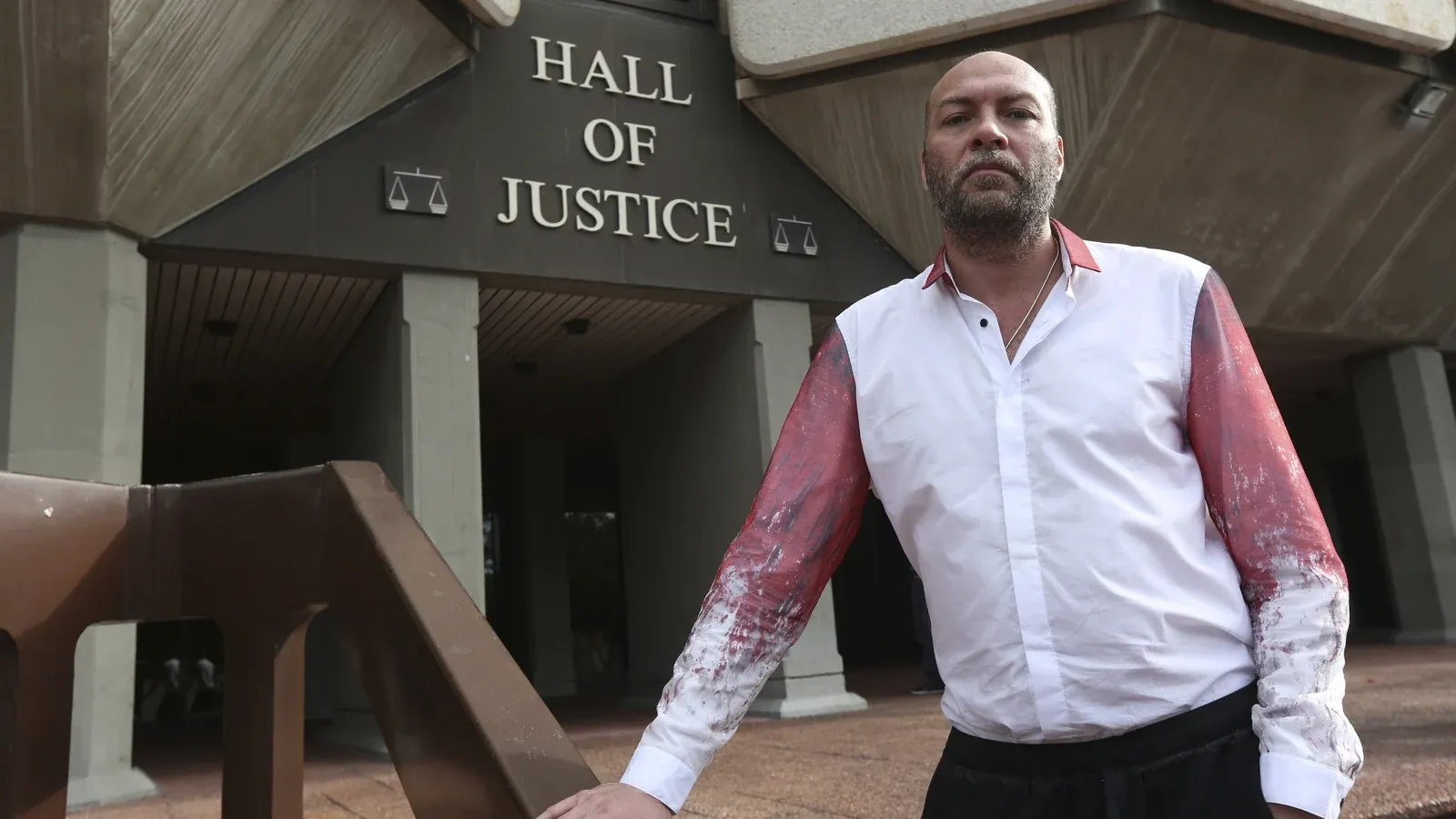
The Privy Council dismissed the Attorney General's cross-appeal on justifiability. It said it will receive further written submissions before making its final order on modifications to ensure compatibility with Jones's constitutional rights.
Jones, 62, was born in Trinidad and Tobago and lives in Britain. He sought a declaration that provisions of the Sexual Offences Act were unconstitutional, arguing they infringed his fundamental rights, especially his right to respect for private and family life. Section 13 prohibits buggery, while section 16 prohibits sex acts other than sexual intercourse. The law makes an exception for private consensual sex acts between a male and a female who are both over the age of 16.
Jones initially won his case at Trinidad and Tobago's High Court, which held that his fundamental rights under section 4(c) of the Constitution were violated. The court held the provisions unconstitutional and said section 6 of the Constitution did not immunise them from a rights challenge. The Court of Appeal overturned the ruling in part, allowing the Attorney General's appeal by a majority on existing law while unanimously holding that provisions going beyond existing law were not reasonably justifiable and had to be disapplied to that extent.

The Privy Council held that the provisions constituted new law and were not protected from a challenge based on fundamental rights. It said constitutional provisions immunising old laws from rights challenges should be interpreted narrowly. The Law Lords said the Attorney General put forward no evidence on tradition and that the interference with Jones's private life was too severe to be reasonably justifiable.
Judge Philip Sales and Lord Burrows gave the judgment, with which the other members of the Judicial Committee agreed. Sales said the right to respect for private and family life protects sexual orientation as a core part of human identity. He added that laws seeking to criminalise such activities cannot be justified.
Jones said the ruling did not address wider issues of equality for LGBTQ+ people. Former Trinidad and Tobago attorney general Anand Ramlogan SC represented Jones.
landmark victory for gay rights, equal dignity and respect for private and family life in Trinidad and Tobago
Anand Ramlogan SC