Bank signs Turkey climate deal worth 1.6 billion dollars
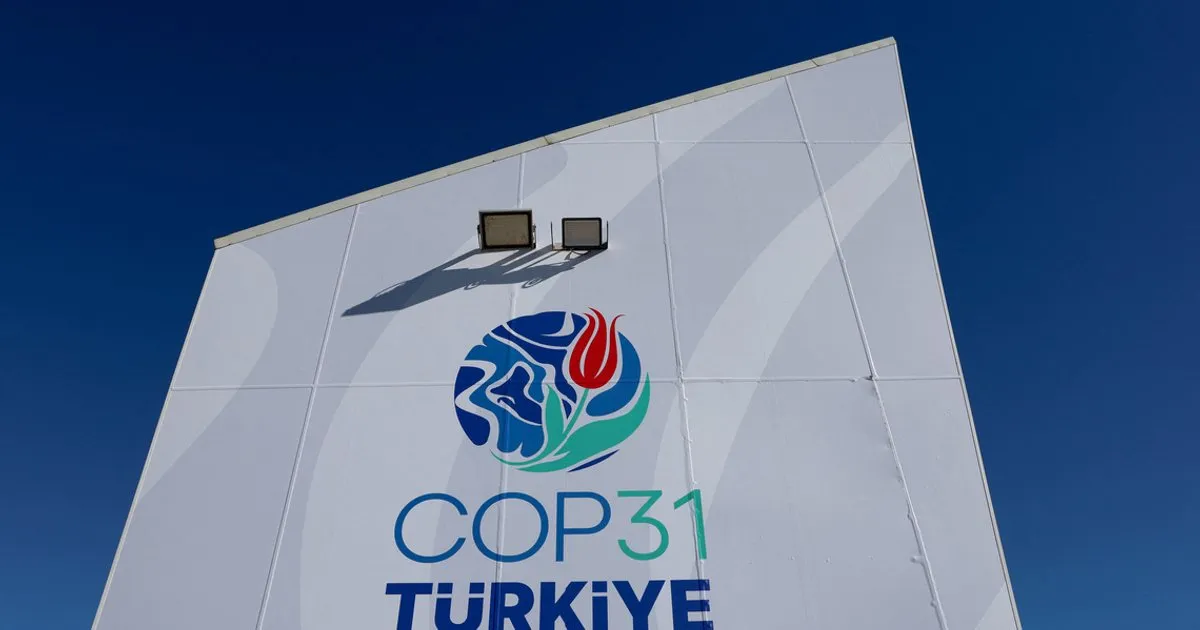
The Asian Infrastructure Investment Bank (AIIB) signed a financing agreement worth 1.6 billion dollars to support Turkey's climate policies. Agriculture and Forestry Minister Ibrahim Yumakli announced Turkey had launched the Integrated Fire Management Antalya Action Plan for cooperation against forest fires at the summit in Antalya, which began on 11 November with participation at leader level from 95 countries and 7 international organisations. Turkey's COP31 presidency has set a goal of electrifying more than a third of the global economy by 2035.
The agreement will cover reducing carbon emissions, renewable energy investments, combating water scarcity and agricultural production. It is the largest financing package AIIB has provided to support climate policies. AIIB said Turkey needs 68 billion dollars in additional investment to reach its climate targets by 2030.M
Turkey is seeking to move international climate commitments toward practical implementation and measurable results. The climate talks on its Mediterranean coast are set to last for two weeks. Ethiopia will host COP32. D

President Recep Tayyip Erdogan welcomed participants to Antalya at the summit's opening program and said humanity was going through one of the worst existential crises. He began his address by greeting United Nations Secretary-General Antonio Guterres, Brazilian President Lula da Silva, Australian Prime Minister Anthony Albanese and participating heads of state and government. Erdogan met Guterres and Chinese Vice President Han Zheng, received Armenian Prime Minister Nikol Pashinyan during COP31, and received Albanese at the Antalya EXPO area. Erdogan said aligning Turkey's Middle Corridor with China's Belt and Road Initiative alongside the Development Road Project could unlock economic opportunities for both countries. D
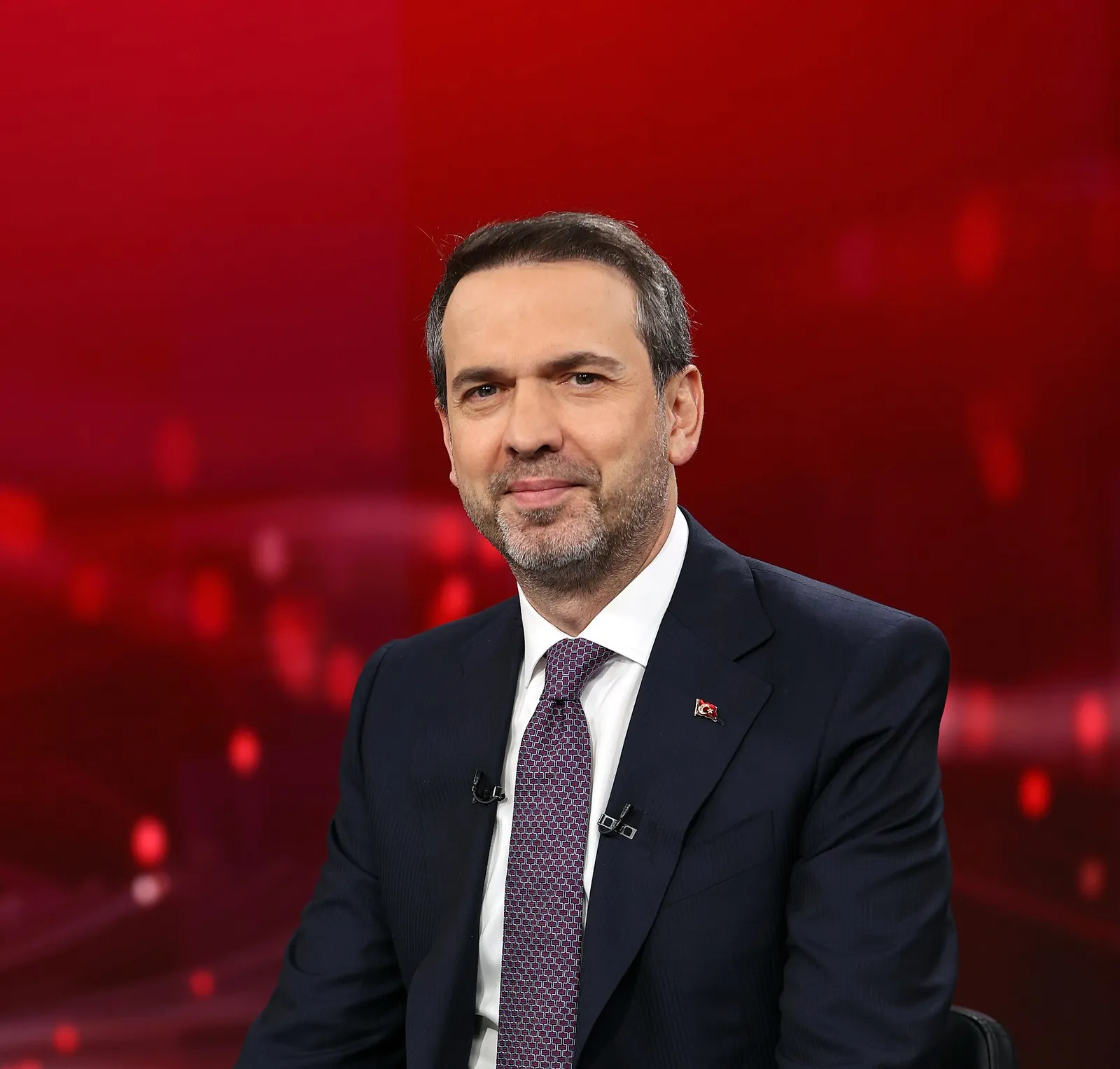
Energy and Natural Resources Minister Alparslan Bayraktar and Saudi Energy Minister Abdulaziz bin Salman Al Saud signed a memorandum on cooperation in electricity projects. Erdogan was present at the signing.
When Southern Cyprus leader Nikos Christodoulides arrived at the welcome area, officials issued a wait warning. Only Guterres remained in the welcome protocol. Oman's delegation to the summit was headed by Energy and Minerals Minister Salem bin Nasser Al Aufi.A
Emine Erdogan, the wife of President Erdogan, said she shared the importance of a common understanding with the Maldives president's wife, Sajidha Mohamed, at COP31. She said nature places the same responsibility on people in different geographies.
COP31 President Murat Kurum attended the COP31 Ministers Dinner at the NEST Congress and Fair Center, which brought together ministers and business, sports and art figures. Actors Hatice Sendil, Hande Ercel and Ekin Koc and presenter Saba Tumer attended and emphasized joint action, raising awareness and taking concrete steps to fight climate change. Tumer said green spaces were very important for cities to be more livable and for people to breathe and live more comfortably.
Swedish Climate Envoy Mattias Frumerie said he wanted a more efficient process that delivered better implementation results. Climate activist Greta Thunberg accused the annual United Nations Climate Change Conference of hypocrisy and of being full of lobbyists. T
Guterres told world leaders that three-quarters of humanity live in countries that import fossil fuels. He said they were hostage to price shocks they did not create and cannot control.
Around a fifth of the global economy was electrified as of 9 November. Turkey is asking nations to sign a pledge supporting its goal. The goal could theoretically help reduce planet-warming emissions by speeding a shift away from fossil fuel-powered vehicles, furnaces, boilers, cookstoves and other greenhouse gas-emitting equipment. Climate advocates criticized the pledge because it does not require additional electricity to come from low-carbon sources. President Gordana Siljanovska-Davkova said North Macedonia had committed under its third Nationally Determined Contribution to cut net greenhouse gas emissions by at least 80% by the same year as Turkey's electrification goal.
A coalition of countries, including South Pacific island nations most vulnerable to sea level rise, is pushing for a clearer global roadmap away from fossil fuels. Many oil- and gas-producing nations, including Saudi Arabia, argue that fossil fuels can remain a substantial part of the global energy mix if paired with technologies that reduce or capture emissions. Harvard University environmental policy professor John Holdren said many people once embarrassed to back very high fossil fuel use now feel able to argue for it.
The United States war with Iran was in its ninth month and severely disrupted Middle East oil shipments through the Strait of Hormuz, lifting fuel prices globally and leading governments to scramble for new supplies. Iran targeted oil tankers in the Strait of Hormuz. United States President Donald Trump's administration encouraged policies maximizing oil, gas and coal production to address the Middle East disruptions, while South Korea, India, Thailand and other Asian nations increased reliance on coal or took steps to boost coal-fired power generation. Brazilian diplomat Andre Correa do Lago, who presided over the 2025 COP, said the war strengthened the case for accelerating the energy transition and described the United States as an outlier. Consumer price pressures from fuel to food were a major driver in the United States midterm elections that handed control of Congress to Democrats.
Iranian President Masoud Pezeshkian, who met Erdogan on 12 November, told the COP31 climate conference that Iran wanted compensation for environmental damage he said was caused by United States and Israeli strikes. He said the United States and Israel's aggression endangered public health and caused human suffering, and called the environment the silent victim of wars, with destruction remaining after conflict ends. He said strikes on fuel facilities in Asaluyeh and Tehran caused 1.5 million tons of carbon dioxide emissions, with attacks on facilities in Asaluyeh releasing 500,000 tons and strikes on fuel storage tanks near Tehran producing 1 million tons. Pezeshkian called on the global community to assess the consequences of the aggression, link peacetime climate commitments with wartime responsibility and develop mechanisms to document damage and pay compensation. The United States and Israel began a military offensive against Iran on 28 February 2026, and Pezeshkian spoke to the media in Tehran just before departing for Turkey to attend the summit.D
Renewable energy deployment rose, driven by surging exports of cheap clean technology from China. A report from a consortium of international scientists said on 10 November that global fossil fuel emissions were on track to fall slightly in 2026, partly due to high fuel prices and expanded renewable energy use after the conflict. The rapid rollout of artificial intelligence is driving a surge in global power demand and contributing to rising greenhouse gas emissions. Turkey will call on governments, businesses and other institutions to sign a pledge on principles to ensure AI is developed and deployed sustainably. Observers said war-driven pressures, AI demand and United States disengagement would complicate Turkey's efforts as COP31 host to reach a strong deal.
A United Nations Environment Programme report published in October said the world is set to overshoot 1.5C of warming above pre-industrial times. The threshold was set at the 2015 Paris climate summit. In 2026, Western Europe suffered a series of extreme heatwaves, and a glacier collapse in Nepal caused a catastrophic flood that killed more than 1,450 people. Thousands of people were still missing after the flood. Least Developed Country bloc adviser and Climate Analytics south Asia director Manjeet Dal said the year was one of the years with the highest casualties from climate-induced disasters.
Business advocates said they want just one thing from COP31: clarity. John Denton, secretary general of the International Chamber of Commerce, said delivery must move beyond slogans and voluntary initiatives.
Sources
 Yeniçağ · İletişim Başkanı Duran’dan Cumhurbaşkanı Erdoğan’ın COP31 temaslarına ilişkin değerlendirmeYeniçağ · Türkiye Turkish · s Gazete Oksijen · COP31’de Erdoğan’dan yoğun diplomasi trafiği: 21 liderle görüştüGazete Oksijen · Türkiye Turkish · s
 El Balad · البنك الآسيوي يسعى لجذب الاستثمارات الخاصة لسد فجوة تمويل مشروعات البنية التحنية المناخيةEl Balad · North Africa Egypt Arabic · s El Balad · وزارة الطاقة العمانية توقع على 10 اتفاقيات ومبادرات لدعم مُستهدفات الحياد الصفري بتركياEl Balad · North Africa Egypt Arabic · s Anadolu Ajansı · Hafta sonu yurdun büyük bölümünde yağış etkili olacakAnadolu Ajansı · Türkiye Turkish · s Anadolu Ajansı · Türkiye Bedensel Engelliler Spor Federasyonunun 9. olağan mali genel kurulu yapıldıAnadolu Ajansı · Türkiye Turkish · s Hürriyet · Öne çıkan üç stratejik başlık: Antalya’daki zirvenin arka planı… Türkiye hangi adımları attı?Hürriyet · Türkiye Turkish · s
 La Nación Costa Rica · Guerra híbrida: las nuevas armas del desorden mundialLa Nación Costa Rica · Latin America Costa Rica Spanish · s Anadolu Ajansı · Antalya Liderler Zirvesi'nin ardından: COP31 Türkiye'ye ne kazandıracak?Anadolu Ajansı · Türkiye Turkish · s Anadolu Ajansı · İLBANK ile Avrupa Yatırım Bankasından sürdürülebilir belediye projelerinde işbirliğiAnadolu Ajansı · Türkiye Turkish · s Anadolu Ajansı · Bakan Bayraktar: 2035'e kadar ekonomilerimizde yüzde 35 elektrifikasyon hedefimiz varAnadolu Ajansı · Türkiye Turkish · s
 La Nouvelle Tribune · COP31 : Lula juge les pays riches sans autorité morale pour accuser la ChineLa Nouvelle Tribune · Africa Benin French · s


 Oman Daily · وزارةُ الطّاقة والمعادن توقّع على 10 اتفاقيات ومُبادرات لدعم مُستهدفات الحياد الصفري بتركياOman Daily · Middle East Oman Arabic · s Anadolu Ajansı · Gürcistan Cumhurbaşkanı Kavelaşvili: Ülkelerimiz arasında son derece yakın ve güçlü bir işbirliği mevcutAnadolu Ajansı · Türkiye Turkish · s
 Anadolu Ajansı · Cumhurbaşkanı Erdoğan'dan COP31 Liderler Zirvesi'nde yoğun diplomasi trafiğiAnadolu Ajansı · Türkiye Turkish · s Anadolu Ajansı · Brezilya lideri Lula da Silva: Gezegen, hegemonya mücadelelerinin insafına bırakılamazAnadolu Ajansı · Türkiye Turkish · s Anadolu Ajansı · İletişim Başkanı Duran: Cumhurbaşkanımızın COP31 Liderler Zirvesi'nde yaptığı konuşma çok önemliydiAnadolu Ajansı · Türkiye Turkish · s
 Nefes · Antalya’daki zirvede Türk heyeti, Güney Kıbrıs liderini dinlemedi. O konuşurken kulaklıklar çıktıNefes · Türkiye Turkish · s Gazete Oksijen · İklim mücadelesini henüz kazanmadık ama kaybetmedik deGazete Oksijen · Türkiye Turkish · s La Nouvelle Tribune · Climat : John Kerry s'en prend à Donald Trump à la COP31 et pointe l'avance de la ChineLa Nouvelle Tribune · Africa Benin French · s
 Les Nouvelles Caledoniennes · Justice climatique : les Palaos poursuivront d’autres États s’il le faut, dit son présidentLes Nouvelles Caledoniennes · Asia Pacific New Caledonia French · s
 La Tercera · La inesperada arremetida de China contra Chile por la sede del Tratado de Alta Mar, a días de la visita de KastLa Tercera · Latin America Chile Spanish · s Anadolu Ajansı · California Valisi Newsom, ABD'deki ara seçimlerin sonuçlarını değerlendirdiAnadolu Ajansı · Türkiye Turkish · s Anadolu Ajansı · AK Parti Genel Başkanvekili Ala'dan Cumhurbaşkanı Erdoğan'ın COP31 Liderler Zirvesi'ndeki görüşmelerine ilişkin paylaşımAnadolu Ajansı · Türkiye Turkish · s Euronews Türkçe · Trump katılmadı, Demokratlar Antalya'ya geldi: ABD'nin iklim politikası değişecek mi?Euronews Türkçe · Europe France Turkish · s Anadolu Ajansı · Cumhurbaşkanı Erdoğan: Antalya'da sergilenen siyasi taahhüt cesaret verici niteliktedirAnadolu Ajansı · Türkiye Turkish · s Nefes · Cumhurbaşkanı Erdoğan COP31'de konuştu. Gelişmiş ülkelere ve iş dünyasına sorumluluk mesajı verdiNefes · Türkiye Turkish · s Gazete Oksijen · Şimşek: Yeşil dönüşüm, ekonomi programımızın tam merkezindeGazete Oksijen · Türkiye Turkish · s

 Mongabay Latam · COP31: senadores de California piden a Ecuador detener la nueva subasta de petróleo en la AmazoníaMongabay Latam · North America United States Spanish · s El Balad · كوب 31... بريطانيا تدعم مضاعفة حصة الكهرباء عالمياً إلى 35% بحلول 2035 وسط تحديات أمن الطاقةEl Balad · North Africa Egypt Arabic · s

 Sudan Tribune Arabic · البرهان يبحث مع قادة تركيا وليبيا وباكستان تطورات الأوضاع في السودانSudan Tribune Arabic · North Africa Sudan Arabic · s La Nouvelle Tribune · RDC : Tshisekedi se tourne vers Erdogan pour parler sécurité après les États-UnisLa Nouvelle Tribune · Africa Benin French · s Hürriyet · İletişim Başkanı Duran: Türkiye, iklim adaletini konuşurken insani değerleri ve vicdanı da masaya koyduHürriyet · Türkiye Turkish · s Anadolu Ajansı · İletişim Başkanı Duran: Türkiye, iklim adaletini konuşurken insani değerleri ve vicdanı da masaya koyduAnadolu Ajansı · Türkiye Turkish · s
 elDiarioAR · Lula en la COP31: “El planeta no puede quedar a merced de disputas hegemónicas”elDiarioAR · Latin America Argentina Spanish · s
 Syria TV · 13 ضعف قنبلة هيروشيما.. معرض في أنطاليا يوثق دمار غزة البيئيSyria TV · Middle East Syria Arabic · s Anadolu Ajansı · Cumhurbaşkanı Erdoğan: İklim krizi küresel ölçekte kararlı adımlar atılmasını zorunlu kılıyorAnadolu Ajansı · Türkiye Turkish · s
 BirGün · Antalya'da COP31 için yeni tedbirler açıklandı: Bazı yollar kapatılacakBirGün · Türkiye Turkish · s Anadolu Ajansı · Cezayir, 2035'e kadar sera gazı emisyonunu yüzde 14 azaltmayı hedefliyorAnadolu Ajansı · Türkiye Turkish · s
 LBCI · Venezuela tells COP31 it has a sovereign right to pump more oilLBCI · Middle East Lebanon Arabic · s The Straits Times · Venezuela tells COP31 it has a sovereign right to pump more oilAsia Pacific Singapore Gazete Oksijen · İklim aktivisti Greta Thunberg, COP31'de: "Ev sahibi ülkelere her yıl kendilerini aklama fırsatı verilmesi ikiyüzlülük"Gazete Oksijen · Türkiye Turkish · s El Balad · في رسالة إلى قمة "كوب 31".. الملك تشارلز يحث قادة العالم على تحويل التزاماتهم المناخية إلى إجراءات ملموسةEl Balad · North Africa Egypt Arabic · s Euronews Türkçe · Türkiye ve Asya Altyapı Yatırım Bankası'ndan 1,6 milyar dolarlık iklim finansmanı anlaşmasıEuronews Türkçe · Europe France Turkish · s The Straits Times · COP31 host Turkey, Asian Infrastructure Investment Bank strike record $2 billion climate policy dealAsia Pacific Singapore LBCI · COP31 host Turkey, AIIB strike record $1.6 billion climate policy dealLBCI · Middle East Lebanon Arabic · s Anadolu Ajansı · Bakan Şimşek, uluslararası finans kuruluşlarının üst düzey yöneticileriyle görüştüAnadolu Ajansı · Türkiye Turkish · s
 Radio Okapi · Infos 27 : « COP31 : Félix Tshisekedi présente le Couloir vert Kivu-Kinshasa comme levier de développement durable »Radio Okapi · Africa Congo - Kinshasa French · s Hürriyet · Dünyanın kalbi Antalya’da atıyor… Erdoğan: Böyle gelmiş böyle gitmezHürriyet · Türkiye Turkish · s
 Khabar 24 · Иран потребовал на COP31 компенсации за ущерб от ударовKhabar 24 · Central Asia Kazakhstan Russian · s
 Madhyamam · കാലാവസ്ഥാ വ്യതിയാന കൺവെൻഷൻ; ഖത്തർ അമീർ പങ്കെടുത്തുMadhyamam · India Malayalam · s
 Gulf News · Turkey's president calls the war in Gaza an 'ecocide' at the UN climate summitMiddle East United Arab Emirates La Tercera · COP31: gobierno pondrá foco en integrar plan de acción y promover su candidatura al Tratado de Alta MarLa Tercera · Latin America Chile Spanish · s Nefes · Kral Charles'tan COP31 teşekkürü: Erdoğan ve Türkiye'ye minnettarımNefes · Türkiye Turkish · s Gazete Oksijen · Ünlü isimlerden iklim değişikliğiyle mücadele için ortak sorumluluk vurgusuGazete Oksijen · Türkiye Turkish · s El Financiero · Irán acusa a EU e Israel de provocar una crisis ambiental por la guerra: ¿Cuánto CO2 liberaron?El Financiero · Latin America Mexico Spanish · s Anadolu Ajansı · Ünlü isimlerden iklim değişikliğiyle mücadele için ortak sorumluluk ve somut adım vurgusuAnadolu Ajansı · Türkiye Turkish · s Anadolu Ajansı · İngiltere Kralı 3. Charles, COP31 için Cumhurbaşkanı Erdoğan'a teşekkür ettiAnadolu Ajansı · Türkiye Turkish · s
 Insajder · Erdogan na Konvenciji UN-a o klimatskim promenama (KOP31): Čovečanstvo doživljava jednu od najdubljih egzistencijalnih kriza u svojoj istorijiInsajder · Balkans Serbia Serbian · s Euronews Türkçe · Türkiye'nin COP31'de ortaya koyduğu iddialı '35x35' hedefi nedir?Euronews Türkçe · Europe France Turkish · s Sky News Arabia · "قمة المناخ"..إيران تطالب بتعويضات عن أضرار الحرب البيئيةSky News Arabia · Middle East United Arab Emirates Arabic · s Anadolu Ajansı · Cumhurbaşkanı Erdoğan'dan COP31'e ilişkin videolu paylaşımAnadolu Ajansı · Türkiye Turkish · s Gazete Oksijen · Pezeşkiyan: Yakıt tesislerine saldırılar 1,5 milyon ton karbondioksit salımına yol açtıGazete Oksijen · Türkiye Turkish · s Hürriyet · Emine Erdoğan, Maldivler Cumhurbaşkanının eşi Mohamed ile bir araya geldiHürriyet · Türkiye Turkish · s Anadolu Ajansı · Emine Erdoğan, Maldivler Cumhurbaşkanının eşi Sajidha Mohamed ile görüştüAnadolu Ajansı · Türkiye Turkish · s The Straits Times · Iran tells COP31 it wants compensation for environmental damage from US-Israeli strikesAsia Pacific Singapore Anadolu Ajansı · COP21 Başkanı Fabius'tan iklim taahhütlerinin hayata geçirilmesi çağrısıAnadolu Ajansı · Türkiye Turkish · s Hürriyet · Emine Erdoğan, COP31 Liderler Zirvesi'ne katılan liderler ve eşleriyle yakından ilgilendiHürriyet · Türkiye Turkish · s Telma · Климатската амбиција мора да се претвори во конкретно дејствување – Сиљановска-Давкова со апел на Самитот во АнталијаTelma · Balkans North Macedonia Macedonian · s Euronews Türkçe · Lobiler, tutulmayan sözler ve sonuçsuz pazarlıklar: Antalya zirvesi, COP'u kurtarabilir mi?Euronews Türkçe · Europe France Turkish · s Hürriyet · Türkiye öncülüğünde orman yangınlarıyla mücadele için Antalya Eylem Planı başlatıldıHürriyet · Türkiye Turkish · s Anadolu Ajansı · Orman yangınlarıyla mücadele için Türkiye öncülüğünde Antalya Eylem Planı başlatıldıAnadolu Ajansı · Türkiye Turkish · s El Balad · نيويورك تايمز: غياب أمريكي للعام الثاني عن قمة المناخ.. ودول العالم تسعى لملء الفراغEl Balad · North Africa Egypt Arabic · s
 El Comercio · Lula exige en la COP31 hablar más de clima y menos de armamentoEl Comercio · Latin America Peru Spanish · s Hürriyet · Dışişleri Bakanı Hakan Fidan, COP31 marjında temaslarda bulunduHürriyet · Türkiye Turkish · s Anadolu Ajansı · Dışişleri Bakanı Fidan COP31 marjında temaslarda bulunduAnadolu Ajansı · Türkiye Turkish · s Nefes · Cumhurbaşkanı Erdoğan Çin Devlet Başkan Yardımcısı Han Zheng ile bir araya geldiNefes · Türkiye Turkish · s The Straits Times · COP31 leaders try out new sales pitch for climate action: do it for the economyAsia Pacific Singapore The Straits Times · COP31 leaders try out new sales pitch for climate action: Do it for the economyAsia Pacific Singapore
 SVT Nyheter · Flipp eller flopp – har COP-mötena gjort någon nytta för klimatet?SVT Nyheter · Europe Sweden Swedish · s Yeniçağ · Cumhurbaşkanı Erdoğan COP31'de GKRY lideri Hristodulidis'i karşılamadıYeniçağ · Türkiye Turkish · s Hürriyet · Emine Erdoğan'dan liderler ve eşleri ile temas... COP31'de ünlü isimlerle buluştuHürriyet · Türkiye Turkish · s El Balad · الرئيس البرازيلي يحذر من تراجع الاهتمام الدولي بمواجهة تغير المناخEl Balad · North Africa Egypt Arabic · s
 Asharq Al-Awsat · إردوغان: تركيا تستهدف رفع الكهرباء إلى 35 % بحلول 2035Asharq Al-Awsat · Middle East Saudi Arabia Arabic · s Anadolu Ajansı · Emine Erdoğan, COP31 Liderler Zirvesi'ne katılan liderler ve eşleriyle yakından ilgilendiAnadolu Ajansı · Türkiye Turkish · s Gazete Oksijen · COP31'de dikkat çeken görüntüler: Erdoğan Hristodulidis'i, Guterres Erhürman'ı karşılamadıGazete Oksijen · Türkiye Turkish · s Anadolu Ajansı · Cumhurbaşkanı Erdoğan, Çin Devlet Başkan Yardımcısı Han Zheng'i kabul ettiAnadolu Ajansı · Türkiye Turkish · s Anadolu Ajansı · Cumhurbaşkanı Erdoğan, COP31 kapsamında ikili görüşmeler gerçekleştirdiAnadolu Ajansı · Türkiye Turkish · s Oman Daily · سلطنة عُمان تشارك في قمة قادة العالم للعمل المناخي وتفتتح جناحها في "كوب 31"Oman Daily · Middle East Oman Arabic · s Nefes · Pasifik ülkesi Palau Devlet Başkanı’nın Erdoğan hayranlığı. Telefonunu çıkarıp selfie çektiNefes · Türkiye Turkish · s El Balad · قادة العالم يلتقطون صورة تذكارية خلال مؤتمر (كوب 31) في أنطاليا التركيةEl Balad · North Africa Egypt Arabic · s El Balad · على هامش قمة (كوب 31) في أنطاليا .. أردوغان وجوتيريش يغرسان شتلات الزيتونEl Balad · North Africa Egypt Arabic · s
 Bianet · UN Women: 1,5 milyar kadın ve kız çocuğu iklim krizinin en yoğun yaşandığı bölgelerdeBianet · Türkiye Turkish · s Gazete Oksijen · Erdoğan'dan COP31 Liderler Zirvesi’nde çağrı: Daha fazla sorumluluk üstleninGazete Oksijen · Türkiye Turkish · s El Balad · من أنطاليا.. فون دير لاين تدعو إلى مضاعفة الجهود وتسريع وتيرة العمل المناخيEl Balad · North Africa Egypt Arabic · s BirGün · İklim krizinin ağır bilançosu: 1,5 milyar kadın ve kız çocuğu risk altındaBirGün · Türkiye Turkish · s BirGün · İklim aktivisti Greta Thunberg COP31'de: Ev sahibi ülkelere kendilerini aklama fırsatı verilmesi ikiyüzlülük!BirGün · Türkiye Turkish · s Nefes · Erdoğan 102 liderin gözünün içine bakarak Antalya’da mesaj verdi: Başka gökyüzü ve yeryüzü yokNefes · Türkiye Turkish · s Yeniçağ · Cumhurbaşkanı Erdoğan COP31 Zirvesi'nde konuştu: 'Ya şikayet edeceğiz ya eyleme geçeceğiz'Yeniçağ · Türkiye Turkish · s Yeniçağ · Erdoğan COP31'e katılan liderleri karşıladı: Good morning, maşallahYeniçağ · Türkiye Turkish · s Madhyamam · അമേരിക്ക-ഇസ്രായേൽ ആക്രമണം; പരിസ്ഥിതി നാശം 'കോപ്' ഉച്ചകോടിയിൽ ഉന്നയിക്കുമെന്ന് ഇറാൻMadhyamam · India Malayalam · s El Balad · "أنطاليا" التركية تستقبل قادة دول وحكومات العالم للمشاركة في قمة قادة (كوب 31)El Balad · North Africa Egypt Arabic · s Gazete Oksijen · Mehmet Şimşek: 300 milyar dolarlık kaynağa ihtiyaç varGazete Oksijen · Türkiye Turkish · s Gazete Oksijen · COP31'de selfie sürprizi: Palau Devlet Başkanı, Erdoğan ile zirvede fotoğraf çekildiGazete Oksijen · Türkiye Turkish · s Syria TV · الرئيس أحمد الشرع يصل إلى أنطاليا للمشاركة في مؤتمر المناخ "كوب 31"Syria TV · Middle East Syria Arabic · s Anadolu Ajansı · Bakan Şimşek: Türkiye'nin mali duruşu oldukça güçlüAnadolu Ajansı · Türkiye Turkish · s The Straits Times · COP31 climate summit kicks off in Turkey with cultural displays, protests and pin collectiblesAsia Pacific Singapore Radio Okapi · COP31 : Félix Tshisekedi plaide pour un meilleur accès de la RDC aux financements climatiquesRadio Okapi · Africa Congo - Kinshasa French · s Euronews Türkçe · COP31'de gözler dünya liderlerinde: Kimler Antalya'ya gelmedi?Euronews Türkçe · Europe France Turkish · s BusinessWorld · World leaders to address COP31 as Turkey pushes for new climate dealAsia Pacific Philippines Asharq Al-Awsat · قادة العالم يلقون كلماتهم في «كوب 31» الأربعاء وسط غياب أسماء بارزةAsharq Al-Awsat · Middle East Saudi Arabia Arabic · s Gazete Oksijen · Antalya'da düzenlenen COP31'e ABD katılmadı: 'ABD saçmalıklara inanmıyor'Gazete Oksijen · Türkiye Turkish · s
 Frankfurter Allgemeine Zeitung · Weltklimakonferenz: Brasiliens zweiter Anlauf zum Ausstieg aus fossilen EnergienFrankfurter Allgemeine Zeitung · Europe Germany German · s Yeniçağ · Erdoğan, Brezilya Devlet Başkanı Lula da Silva ile Antalya'da görüştüYeniçağ · Türkiye Turkish · s

 Anadolu Ajansı · Cumhurbaşkanı Erdoğan, COP31 kapsamında ikili görüşmeler gerçekleştirdiAnadolu Ajansı · Türkiye Turkish · s Anadolu Ajansı · Cumhurbaşkanı Erdoğan BM Genel Sekreteri Guterres'i kabul ettiAnadolu Ajansı · Türkiye Turkish · s Yeniçağ · Cumhurbaşkanı Erdoğan, BM Genel Sekreteri Guterres ile Antalya'da görüştüYeniçağ · Türkiye Turkish · s Anadolu Ajansı · Cumhurbaşkanı Erdoğan, BM Genel Sekreteri Guterres ile görüştüAnadolu Ajansı · Türkiye Turkish · s

 Etilaatroz · نشست اقلیمی سازمان ملل متحد؛ برای هیأت طالبان دعوتنامه صادر نشدEtilaatroz · South Asia Afghanistan Persian · s
 Aravot · «Էրդողանը գնաց Շուշի, Ալիևի դիրքորոշումը մեղմացավ, գալիս է Անթալիա»Aravot · Central Asia Armenia Armenian · s BusinessWorld · COP31 to open in Turkey, with climate goals under pressure from war and AIAsia Pacific Philippines