Supreme Court says OBC ruling will not reopen past appointments
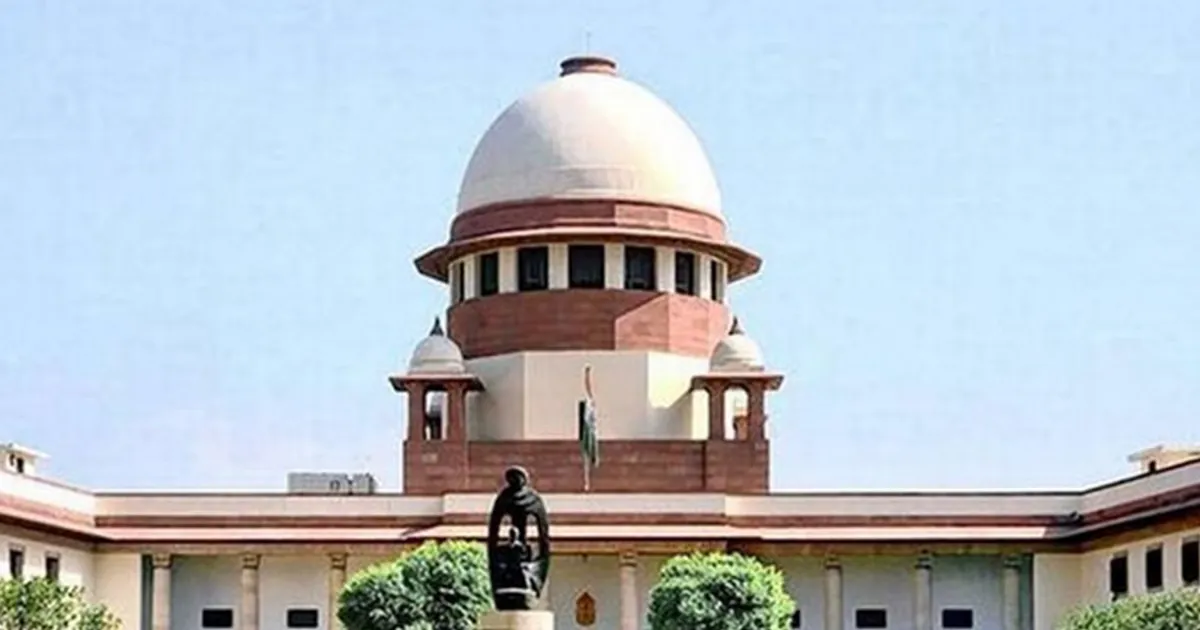
The Supreme Court said on 6 November that its ruling on reservation for OBC candidates would not apply to past appointments. Its 11 March judgment held that candidates cannot be excluded solely on the basis of their parents' salary income.
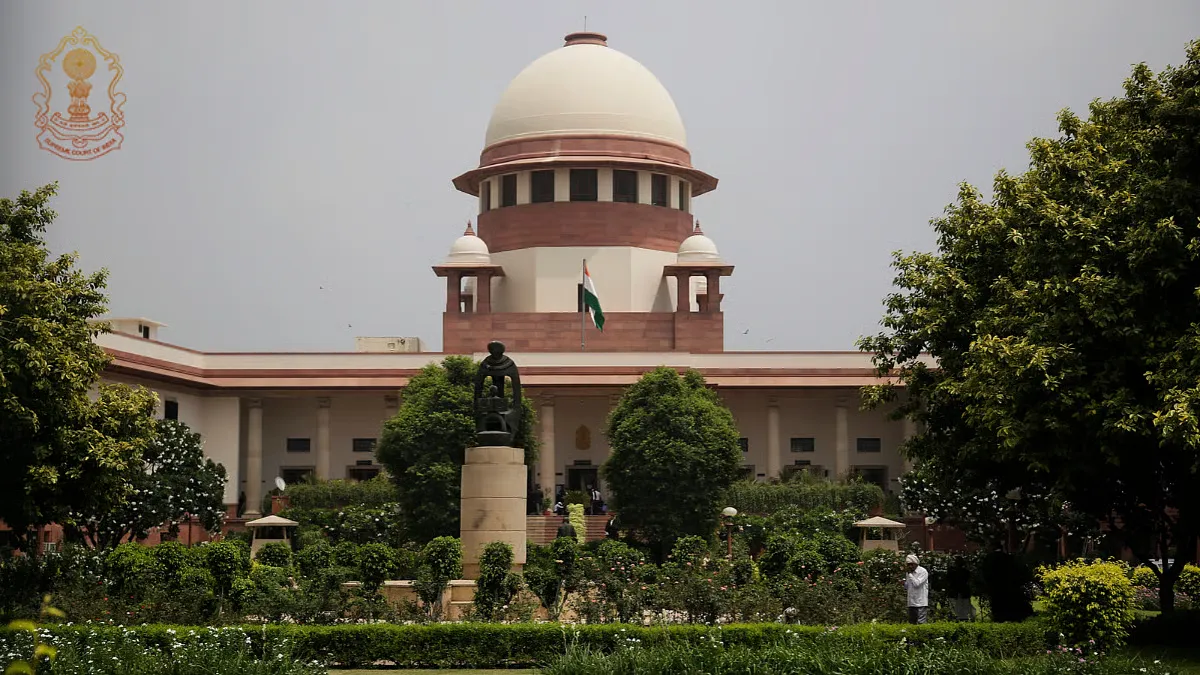
A bench of Justices P.S. Narasimha and R. Mahadevan rejected the central government's request that the verdict apply only in the future. The court said the judgment governs service allocation under the 2025 civil services examination because the process was ongoing when it was pronounced. It said the judgment also applies to candidates who were parties to the proceedings. Completed seniority and promotions need not be re-examined, the court said. Live Law reported that the court said cases pending before courts and other authorities would be decided on their own merits and entitlement.


The court had given the government six months to implement the verdict and extended the time by two more months. The government had requested two years to work out posts equivalent to Group A and B officers for identifying the creamy layer among people employed in public sector undertakings and private employment, but the court did not allow the request. The creamy layer refers to the wealthier and more advanced members of a group eligible for affirmative action benefits. The court said the status and category of parents' posts, not income alone, must primarily determine whether a person is in the creamy layer. It said the government may formulate a policy on creamy layer criteria in accordance with the Constitution and the court's decisions.
In August 2026, the Union government filed an application concerning the judgment's application to past appointments and admissions. Solicitor General Tushar Mehta and Additional Solicitor General Aishwarya Bhati argued that the application did not question the judgment. Bhati said some candidates whose parents earn even over ₹1 crore annually would benefit and be considered OBC non-creamy layer under the judgment. She said some candidates were citing the judgment to seek enhanced allocation opportunities.
The application of the present judgment to past and ongoing recruitments will gravely prejudice the competing rights of persons who were not even a party to the present litigation and will result in reopening of seniority, cadre allocation of appointees and candidates and result in complete administrative chaos
Aishwarya Bhati, additional solicitor general
A 1992 judgment allowed 27% reservation for OBCs, subject to exclusion of the creamy layer. A 1993 order identified five occupational categories as the creamy layer, while a sixth category was based on an income and wealth test. An office memorandum excluded salary and agricultural income when determining the creamy layer. A central government clarification in 2004 made public and private sector employees' salaries count as well. The order also said income from salaries and other sources were to be assessed separately, with exclusion only if either component exceeded the prescribed limit for three consecutive years.
Several candidates challenged the clarification in court. The judgment came on the Union government's appeals against Madras High Court orders. A candidate recommended for the Indian Police Service under the OBC reservation became entitled to allocation under the Indian Foreign Service. The court rejected the government's objection that the candidate's father worked for a multinational, had a high income and would come under the creamy layer. It said another candidate was entitled to OBC reservation in the civil services after initially being refused it because of his father's employment at a public sector undertaking, which fetched a higher income.
Sources
In this story
India