Yuan share of Russian export payments halves to 22%
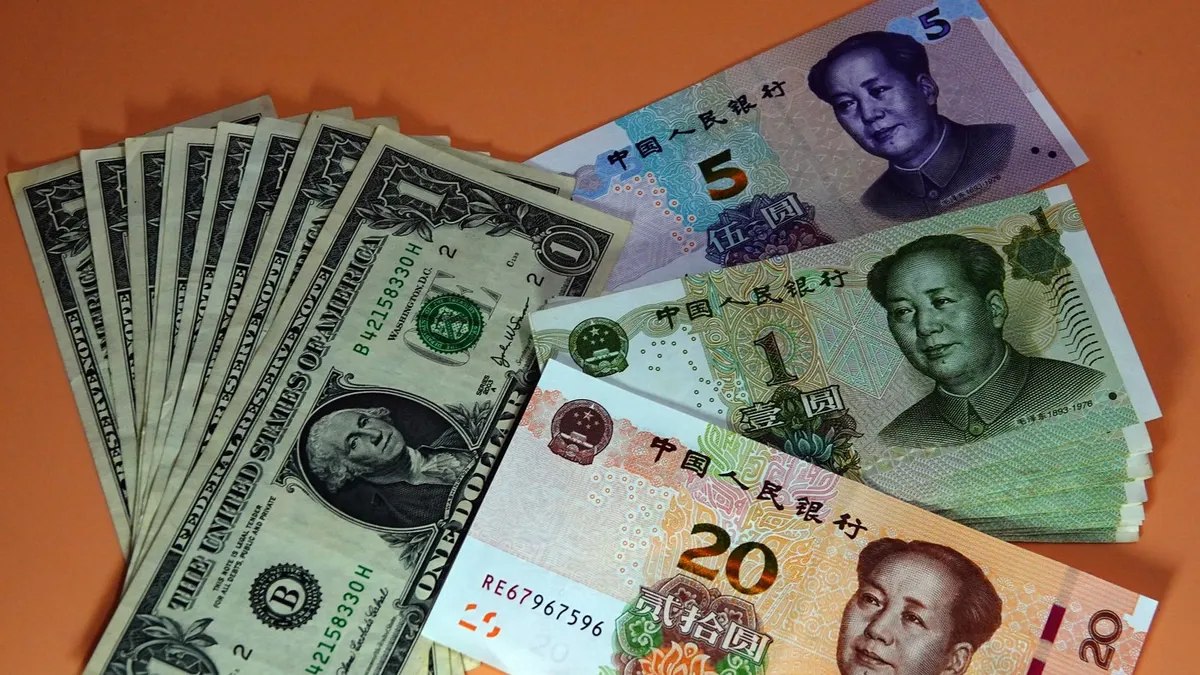
The yuan's share in payments for Russian exports has halved from its mid-2024 peak to 22%, the Bank of Russia said. Russia has effectively abandoned attempts to replace the United States dollar with the Chinese yuan in foreign trade because of the threat of United States secondary sanctions, Bloomberg reported.
In June 2024, the United States tightened secondary sanctions against banks dealing with Russia. The largest Chinese banks subsequently stopped all cooperation with Russian counterparts. Fearing restrictions, Chinese financial institutions froze payments, delayed them for months and returned funds to senders. Washington effectively equated transactions with Russian banks to cooperation with the military-industrial complex.


The Bank of Russia said Russia receives 69% of its export revenue from trade with Asian countries in rubles. Bloomberg said Russian companies increasingly receive export revenue in rubles, but that has not solved international payment problems. Sources at companies that help Russian businesses make payments to China said many transactions now go through intermediary agents rather than directly through banks.A
Payments to China cost 15-20% of the transaction amount, including commissions and fees taken by intermediaries. Some payment channels for deals with China remain open, but none guarantees a successful transaction. Russian companies also face additional checks even with a signed contract. In June, Sberbank First Deputy Chairman Alexander Vedyakhin addressed the switch to national-currency settlements between Russia and China.A
The formal transition to settlements in national currencies between Russia and China has taken place. However, in practice we observe constantly emerging gaps within the payment infrastructureФормально переход на расчеты в национальных валютах между Россией и Китаем состоялся. Однако на практике мы наблюдаем постоянно возникающие разрывы внутри платежной инфраструктуры
Sberbank First Deputy Chairman Alexander VedyakhinA
Russia began shifting aggressively to the yuan after the start of the large-scale war against Ukraine and the introduction of Western sanctions. The yuan's share of Russian foreign trade grew to almost half. It became the most traded currency on the Russian foreign-exchange market and overtook the dollar in bank deposit volumes.A
An acute yuan shortage forced the Bank of Russia to limit yuan lending and call on banks to restrict loans in Chinese currency. Russian banks extended yuan-denominated financing while weaker oil-sector revenues limited foreign-currency inflows. The overnight yuan borrowing rate on the Moscow Exchange reached 44% in March 2026 during the shortage, The Moscow Times reported. Bank of Russia Governor Elvira Nabiullina said the bank was considering separate mandatory reserves for yuan to reduce the risk of new crises.I
Sources
Libertatea · Planul Rusiei de a înlocui dolarul cu yuanul a eșuat: principalul factor din spatele blocajului de la MoscovaLibertatea · Europe Romania Romanian · s Novaya Gazeta Europe · Попытка России заменить доллар китайским юанем провалилась из-за угрозы вторичных санкций США — BloombergNovaya Gazeta Europe · Europe Latvia Russian · s Meduza · План России заменить доллар юанем провалился из-за вторичных санкций СШАMeduza · Europe Latvia Russian · s In this story
Russia