Annual eurozone inflation rises to 4.0% as energy prices climb
Eurozone annual inflation rose to 4.0% in October, preliminary data released by Eurostat on 4 November showed. The rate was the highest since September 2023, when inflation was 4.3%.
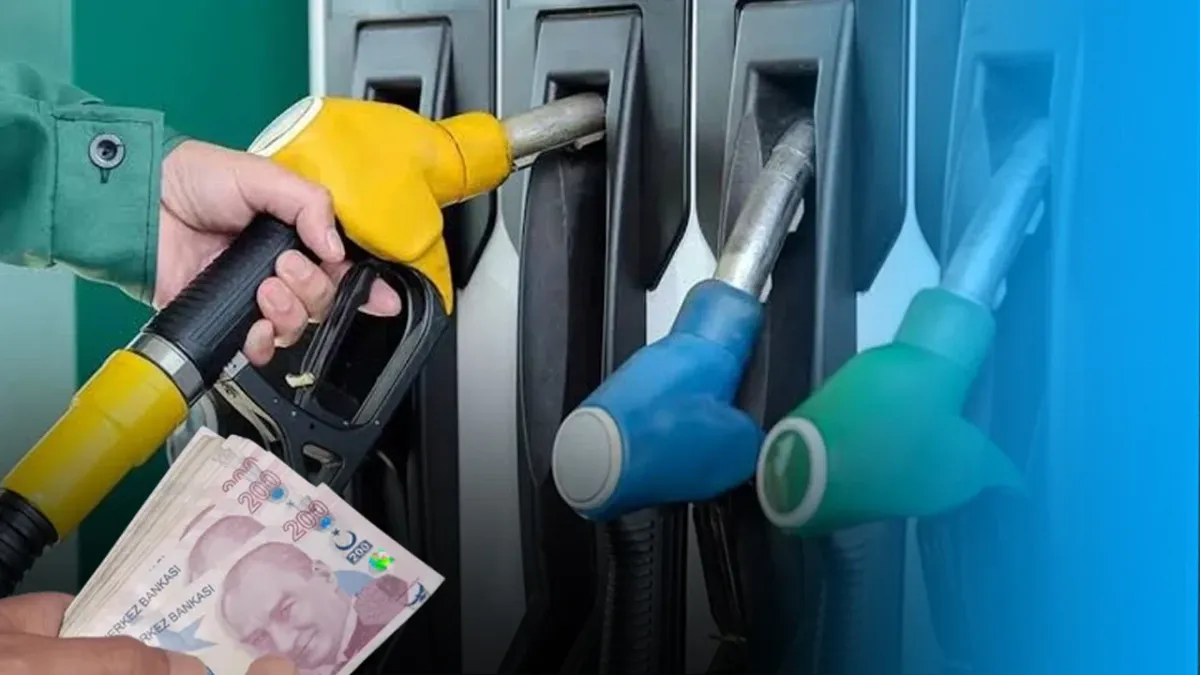
Energy prices rose 20.8% year on year in October, compared with energy inflation of 18.9% in September. Conflicts in the Middle East increased energy prices, which were the main cause of rising consumer prices. The eurozone rate had been 3.8% in September and covers the 21 countries that use the euro. Consumer prices rose 0.4% from the previous month.


Services prices rose 3.3% year on year, compared with services inflation of 3.2% in September. Annual inflation for food, alcohol and tobacco was 1.6%, up from 1.3%. Non-energy industrial goods prices rose 1.2%, compared with inflation of 1.1% in September. Core inflation, which excludes volatile food and energy prices, held steady at 2.5%.
Lithuania had the highest eurozone inflation rate, at 6.1%. In Germany, goods and services cost consumers 2.8% more than a year earlier. Inflation there had eased somewhat because of a fuel discount at filling stations.
The European Central Bank targets 2.0% inflation for the euro area over the medium term. Its deposit rate, important for banks and savers, stands at 2.5%. The bank raised interest rates twice in 2026 to keep price expectations from rising with inflation. Policymakers led by President Christine Lagarde refrained from another increase at their meeting in late October. The price surge has not yet produced hard-to-contain indirect inflationary effects.
Bundesbank chief Joachim Nagel spoke in Berlin on 3 November. He said the ECB Council had foregone a further rate step because there was little sign of second-round effects such as sharply rising wage demands, but the inflation outlook had worsened.
An interest rate hike in December is very likely necessary from today's perspectiveEine Zinserhöhung im Dezember ist aus heutiger Sicht sehr wahrscheinlich notwendig
Bundesbank chief Joachim Nagel
Stephanie Schoenwald of state-owned KfW bank said four percent inflation rates could continue in the months after October during the unresolved Iran conflict. Market professionals expect the European Central Bank leadership could raise key rates at its last meeting in December.
Only in the second quarter of 2027 can a noticeable easing of price pressures be expected, as low energy goods prices will then drop out of the comparison baseErst im zweiten Quartal 2027 ist mit einem spürbaren Nachlassen des Preisauftriebs zu rechnen, da dann niedrige Preise für Energiegüter aus Vergleichsbasis fallen
Stephanie Schoenwald of state-owned KfW bank
Sources
El Balad · التضخم في منطقة اليورو يسجل أعلى مستوى في 3 سنوات وسط توقعات بزيادة أسعار الفائدة في ديسمبرEl Balad · North Africa Egypt Arabic · s Asharq Al-Awsat · تضخم منطقة اليورو يرتفع إلى أعلى مستوى في 3 سنوات ويعزز رهانات رفع الفائدةAsharq Al-Awsat · Middle East Saudi Arabia Arabic · s Tagesschau (ARD) · Inflation im Euroraum steigt auf 4,0 ProzentTagesschau (ARD) · Europe Germany German · s El Balad · ارتفاع التضخم في منطقة اليورو إلى أعلى مستوى له منذ ثلاث سنواتEl Balad · North Africa Egypt Arabic · s Euronews Türkçe · Euro Bölgesi enflasyonu ekimde %4'e çıktı: 3 yılın zirvesinde, enerji sürüklüyorEuronews Türkçe · Europe France Turkish · s 
In this story
Europe




Economy