France's Arcom defends plans for online election rules
France's audiovisual and digital communications regulator Arcom defended plans on 20 November to apply political balance rules to influential online content creators. Under the proposals, certain influencers and streamers with large audiences would have to give presidential candidates equal or proportionate exposure during election periods, as television and radio broadcasters already must.
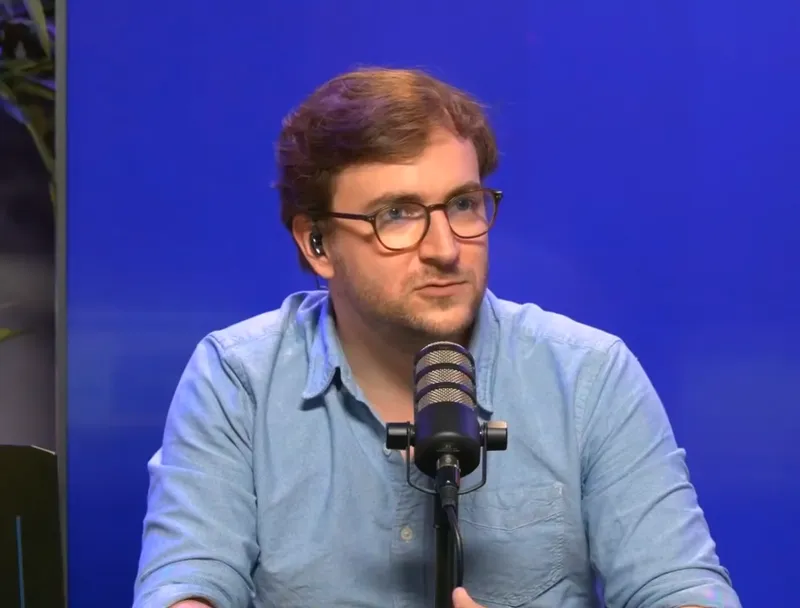
Arcom announced the measures on 19 November, ahead of France's presidential election scheduled for spring 2027. Arcom President Martin Ajdari said the measures applied exclusively to video content and did not cover audio podcasts. Arcom will closely monitor online creators' compliance from January 2027.

From 16 March to 4 April 2027, candidates and their supporters must receive fair presentation and access reflecting their actual strength and the intensity of their campaign activities. From 5 to 30 April, stricter rules will require equal speaking time and programme coverage for candidates and their supporters. Speaking time includes all situations in which they speak personally. Programme coverage includes segments about them, such as editorials or commentary.
Ajdari said the regulator would be forced to intervene if an influencer invited one or two candidates during the official campaign while disparaging the others. He warned that creators could face penalties for failing to comply, as television and radio stations could. Depending on the severity of a violation, Arcom can issue formal warnings or compliance orders, while repeated violations can lead to fines.
French law requires broadcasters to reflect a range of political views, with television and radio stations tracking politicians' airtime and adjusting coverage according to factors including election results and polling support. Arcom said some online creators played a sufficiently prominent role in political debate to warrant applying broadcasters' political balance principles to them. Ajdari said political pluralism had become a practical issue for online creators whose audiences exceeded those of traditional television channels. Specialist studies found that content creators had become a more popular information source than traditional media, particularly among young people.
How the proposed rules would be enforced remained unclear, and some creators had questioned whether they could be made to comply. Backseat host Jean Massiet said creators had no legal status and could not be made to follow broadcasters' rules, particularly because they lacked the budgets or resources of TF1 or the BFM/RMC Group. Ajdari said the regulator was not trying to bother influencers, responding to criticism of the measures.