Democrats gain US Senate as Trump-backed candidates lose
Democrats gained control of the US Senate after voters rejected candidates backed by US President Donald Trump by the night of 3 November. The candidates lost in South Carolina, North Carolina and Texas.
In Michigan, the president's preferred candidate, a former US representative, trailed a Democrat in early results in an uncalled race. The Democrat would be the first Muslim to serve in the Senate. Trump had asked voters to pretend he was on the ballot and handpicked Republican candidates in Senate races.

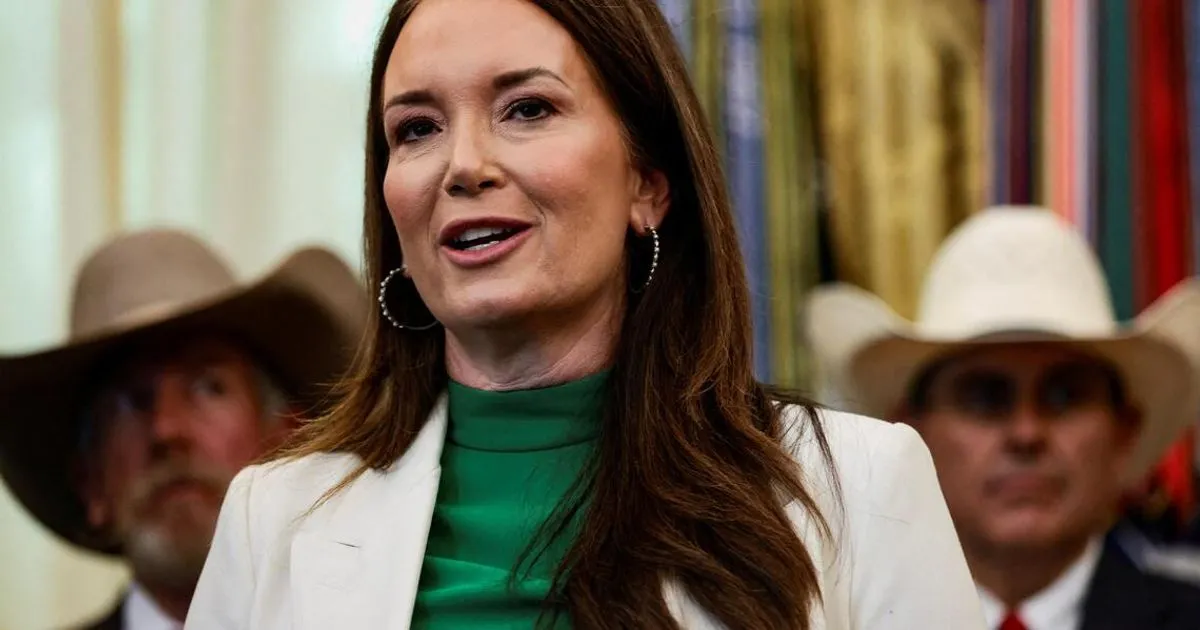
A Democrat won the South Carolina seat, which had not been held by a Democrat elected in the state since 1998. Trump had won the state by 18% points in 2024. He backed the sister of a late Republican senator.
In North Carolina, a former Democratic governor defeated a Trump-endorsed former national Republican campaign official. A Republican incumbent senator said in 2025 he would not seek re-election after a public split with Trump, who had threatened to back a primary challenger after the senator balked at Medicaid cuts in his tax-and-spending bill. A former North Carolina governor, a Republican, said Trump's interventions in party primaries had divided Republicans in state after state. The former governor said Trump went against two local congressmen in South Carolina, a fight that split the party.
In Texas, Trump promoted the attorney-general over a senator and Trump ally in a Republican primary. A Democrat won the seat, which the party had not won since 1988. An American University professor said Trump's intervention in the Texas primary had cost his party a safe seat. The professor also said Trump had effectively given the North Carolina seat to Democrats.
Trump spent more than ten years reshaping the Republican Party around his movement. He repeatedly favoured loyalists and ideological allies over more established Republicans. A senior White House official said the administration had polling data from around 23 September showing Republicans would lose both the House and Senate. The official said Trump embarked on a month-long nationwide campaign to try to salvage Republicans' prospects.
According to Reuters/Ipsos polls, Trump's popularity heading into the vote was lower than after the 6 January 2021 attack on the US Capitol. The results fuelled concerns among Republicans that Trump had become a drag on the party he remade around himself. A veteran Republican strategist pointed to voter frustration over high prices caused by tariffs and the war in Iran. A White House official, speaking anonymously, credited Trump with promoting candidates more actively than they promoted themselves. Trump wrote in a social media post.
I wasn’t on the Ballot and if I was, we would have won IN A LANDSLIDE
Trump
Sources
Asharq Al-Awsat · ترمب اختار مرشحين لمجلس الشيوخ... والجمهوريون دفعوا الثمنAsharq Al-Awsat · Middle East Saudi Arabia Arabic · s The Straits Times · Trump hand-picked US Senate candidates. Republicans paid the priceAsia Pacific Singapore