Democrats win Congress and Texas governor's race
Democrats won both chambers of Congress in the US midterms, while Texas elected its first Democratic governor in more than three decades. Elon Musk spent nearly half a billion dollars to back Republican candidates and keep the state Republican.
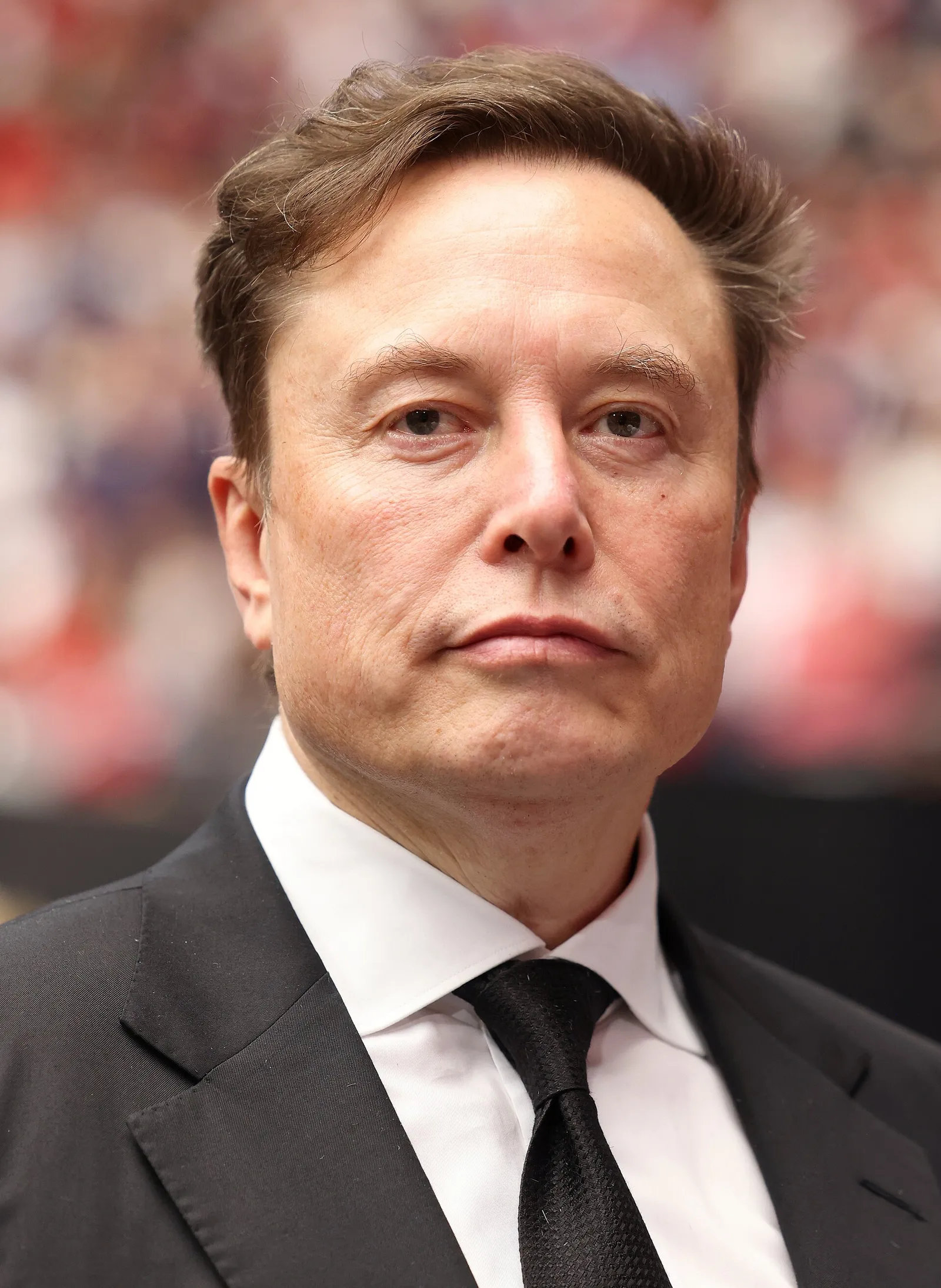
Musk urged his followers on X to vote Republican on 3 November and later deleted the appeal. He helped elect US President Donald Trump, a close ally. A report said Democrats were considering probes into Musk's companies if they won the midterms.

Texas is home to Musk's automaker Tesla, rocket-to-AI company SpaceX and a planned chipmaking venture between them. The incoming governor sued for emails between Musk and the opponent in the governor's race and accused the opponent of offering Musk favorable deals at Texas's expense. The incoming governor called for an immediate halt to new data-center projects until lawmakers strengthened protections, and for an end to tax breaks. The incoming governor also opposed the potential sale of a beachfront state park to SpaceX after Texas Monthly reported officials had discussed the deal. Musk will also face a newly elected US senator, against whom he spent heavily while backing a Republican.
Shares of SpaceX fell 5.5%, while Tesla shares were down 5.1%; both lagged the broader market. Analysts and experts expect Democrats to tighten scrutiny of data-center projects and push for construction moratoriums, with local opposition over electricity costs. Musk drew scrutiny from Democratic lawmakers over restrictions on satellite communications used by Ukraine's military, mass federal job cuts under his watch at DOGE, and government contracts and subsidies for his companies.
SpaceX's AI business centers on Colossus and Colossus II, two of the world's largest AI data centers near Memphis. Renting computing power to customers including Anthropic sent revenue soaring and helped SpaceX post its first profit as a public company. SpaceX touted a $28.5 trillion addressable market to investors ahead of its IPO. Slower data-center approvals could be one of Musk's biggest challenges to tapping that market.
Data centers in space looking pretty appealing right now
Musk
SpaceX aimed to increase capacity from 1.7 gigawatts at the end of September 2026 to as much as 3 gigawatts by the end of 2026. It planned to scale capacity up to 13 gigawatts in 2027. Chip research firm SemiAnalysis identified more than 9 gigawatts of planned or developing capacity, including new facilities at SpaceX's Starbase complex in Boca Chica, Texas. Delays in bringing capacity online may hamper Musk's revenue targets and intensify investor scrutiny over AI infrastructure costs.