Eisenkot orders cancellation of Yashar-Likud meeting
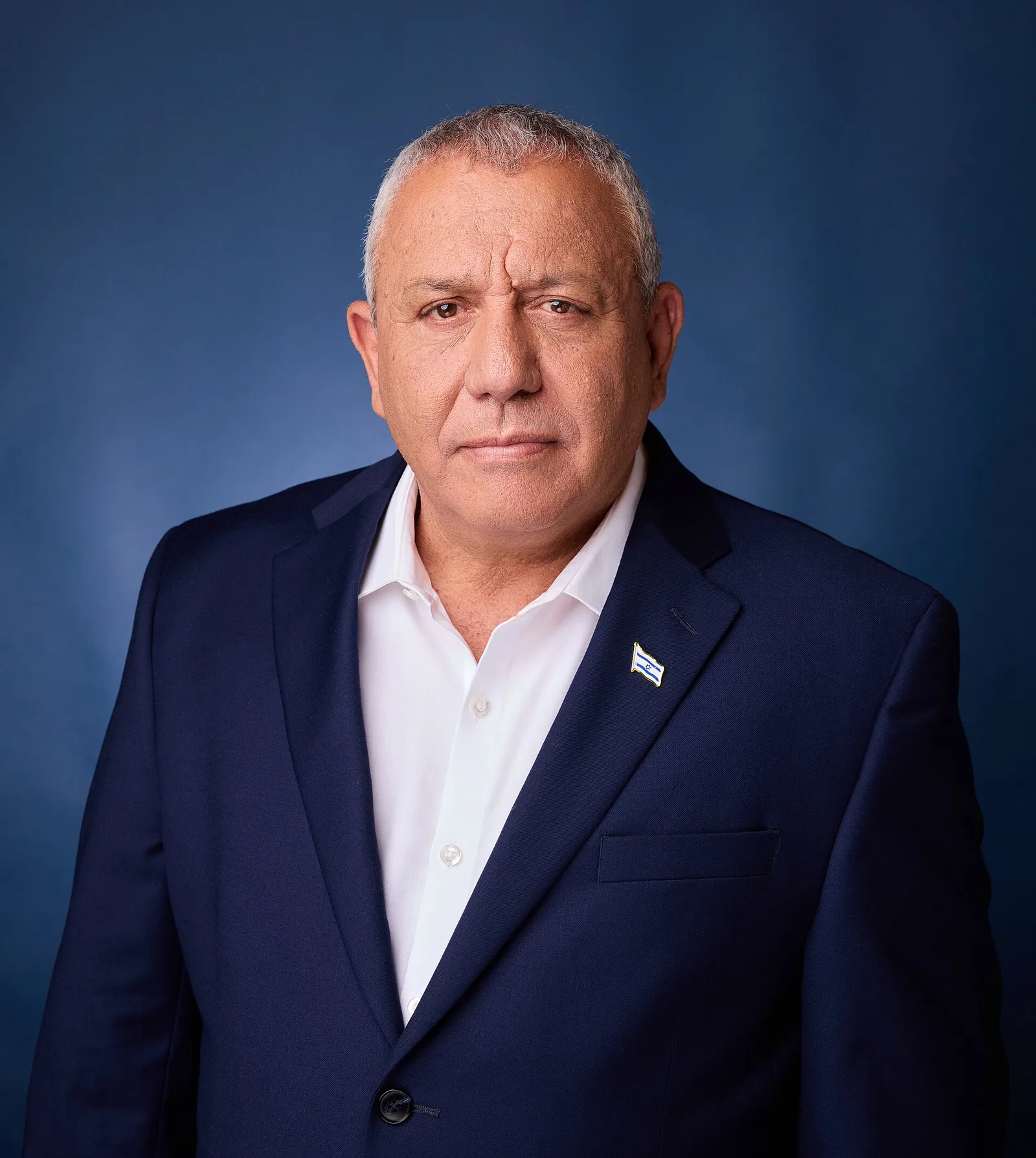
Yashar party leader Gadi Eisenkot, who was tasked with forming a new government in Israel on 8 November, ordered the cancellation of a negotiation meeting with Likud because of caretaker Prime Minister Benjamin Netanyahu's speech at the Knesset opening. Eisenkot said he was open to Netanyahu and one far-right ally joining under his leadership. The opposition bloc to Netanyahu agreed on 10 November to nominate former minister Matan Kahana as the next Knesset president, seeking to remove Amir Ohana from the post.
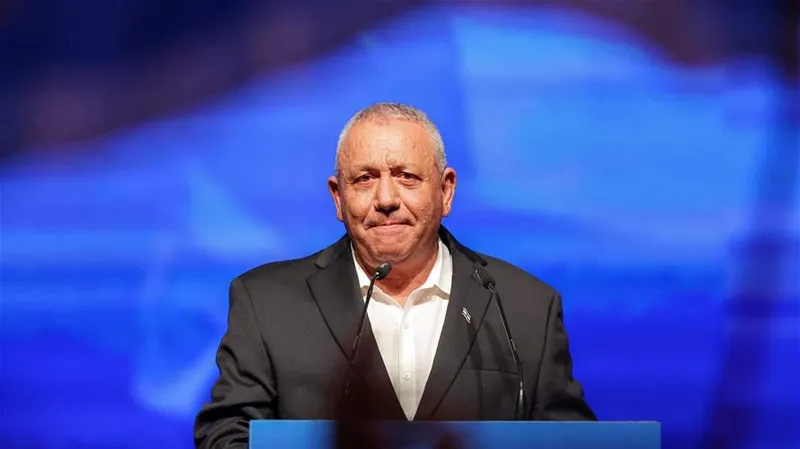
Eisenkot said Likud and its allies would need to disassociate from extremist parties and accept his coalition principles. His four principles include recognition of Israel as a Jewish, democratic, liberal and equal state and a commitment to the values of the declaration of independence. They also call for military or national service for all citizens, the designation of Hamas as a terrorist organization and a pledge to eliminate or dismantle its military and governmental capabilities in Gaza.
On 7 November, Eisenkot received recommendations from 67 Knesset members to form the new government, including 19 lawmakers from the two Arab-led lists. Netanyahu received 46 recommendations, while seven deputies abstained from backing either candidate. His bloc holds 53 seats, while Eisenkot needs the backing of at least 61 lawmakers to secure parliamentary confidence. Eisenkot faced disagreements within his camp over the inclusion of Arab parties, with understandings with other forces needed to form a cohesive coalition. Avigdor Liberman ruled out backing a minority government or one reliant on Arab-led parties, but was open to talks with ultra-Orthodox factions.D
Netanyahu proposed a unity government including National Camp parties and Zionist forces, without Arab parties, and called for keeping his premiership. He cited an Iranian nuclear threat and the preservation of Israel as a Jewish state. Eisenkot rejected Netanyahu's invitation, saying it came after Netanyahu realized his tenure was threatened and accusing him of deepening division.
Former Prime Minister Ehud Barak urged Eisenkot to form a new government quickly. Barak said he would welcome Arab parties in the coalition and that right-wing Likud could join a unity government if Netanyahu did not lead it.
The most important pledge is to oust Netanyahu, and the first priority is to change the current government.أهم تعهد هو إسقاط نتنياهو، والأولوية الأولى هي تغيير الحكومة الحالية
Former Prime Minister Ehud Barak
Defence Minister Yisrael Katz called for the domestic front to unite against what he described as Iranian threats. He claimed Tehran sought to resume efforts to obtain nuclear weapons and said Israel rejected such threats.
Under Israeli law, the Knesset member tasked with forming a government gets an initial period of 28 days. The president may extend it by up to 14 additional days. If the tasked member fails, the president may assign the task to another Knesset member for a non-extendable period of 28 days. If government formation still fails, a majority of Knesset members may nominate one of them for an additional period of 14 days.
Sources
 La Tercera · Oposición a Netanyahu acuerda candidato para presidir el Parlamento israelí y adelanta votación al 17 de noviembreLa Tercera · Latin America Chile Spanish · s
 Gazete Oksijen · Eisenkot'tan Netanyahu'nun partisi Likud ile müzakereleri iptal etme talimatıGazete Oksijen · Türkiye Turkish · s
 BirGün · Netanyahu'ya kötü haber: Eisenkot Netanyahu'nun partisi ile müzakereleri iptal ettiBirGün · Türkiye Turkish · s
 Anadolu Ajansı · İsrail'de Eisenkot'tan Netanyahu'nun partisi Likud ile müzakereleri iptal etme talimatıAnadolu Ajansı · Türkiye Turkish · s La Tercera · Eisenkot invita al Likud y al Partido Sionista Religioso a formar un gobierno en IsraelLa Tercera · Latin America Chile Spanish · s Syria TV · "الأولوية إسقاط نتنياهو".. باراك يدعو آيزنكوت إلى الإسراع بتشكيل الحكومةSyria TV · Middle East Syria Arabic · s
 LBCI · Eisenkot says Netanyahu's party welcome to join government under him as new PMLBCI · Middle East Lebanon Arabic · s
In this story
Middle East