India exempts Cellebrite from technology procurement rules
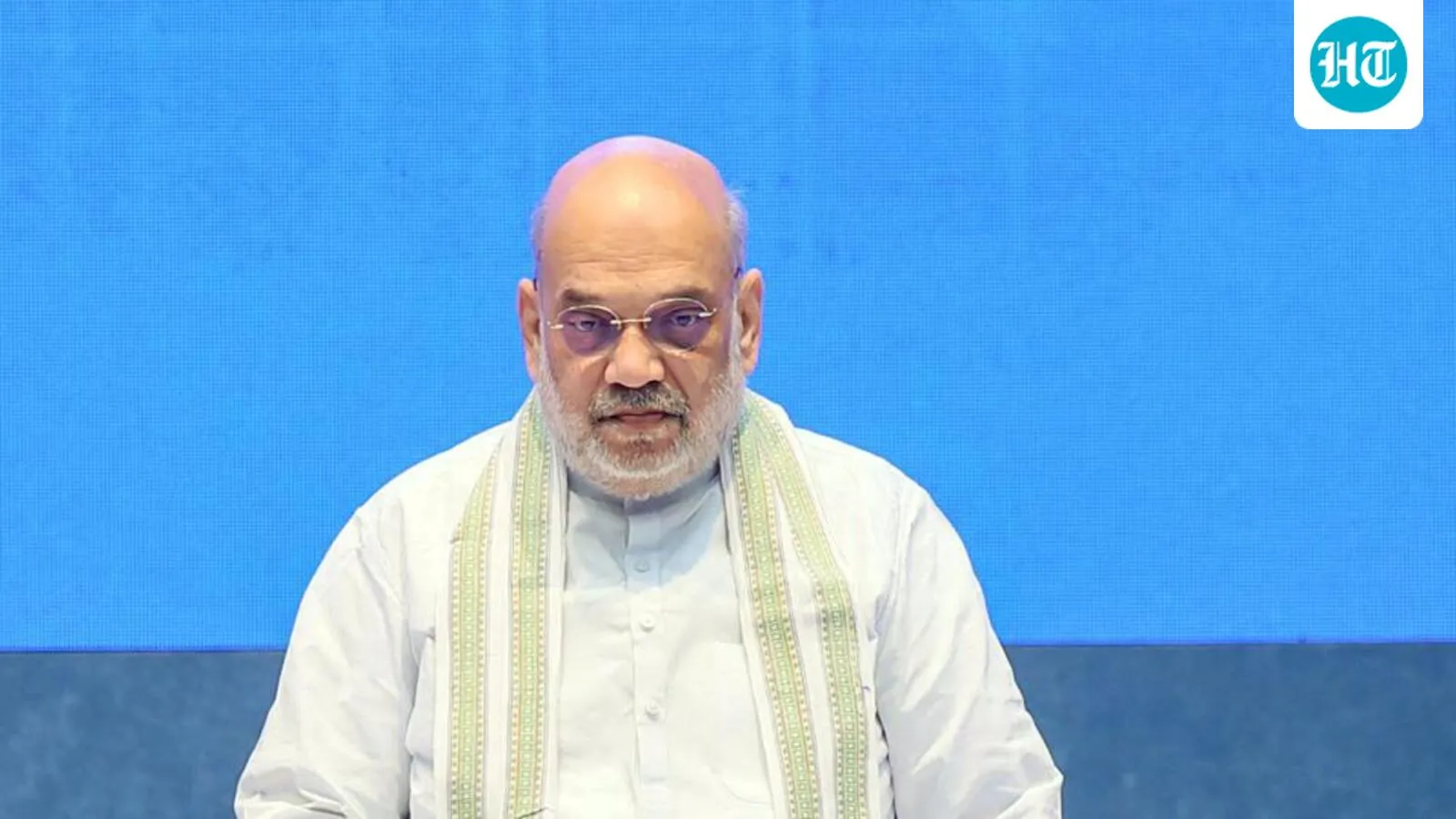
An investigation reported on 12 November that the Indian government bypassed domestic regulations to exempt Israeli company Cellebrite, allowing it to sell phone data extraction and surveillance technology to government agencies. The Internet Freedom Foundation (IFF) said Interior Minister Amit Shah approved an exemption allowing government forensic agencies and public bodies to buy at least 422 foreign technology products, including Cellebrite products.
The IFF examined an Interior Ministry document dated 7 January detailing a one-year exemption for forensic institutions. India's Make in India policy normally gives domestic manufacturers priority in public tenders, but foreign products can receive an exemption with the relevant minister's approval. The exemption list also includes products from Magnet, MSAB, Oxygen Forensics and Belkasoft. Experts said appearing on the list did not necessarily mean a product had been purchased or used.
A 20 January document showed Shah permitted the National Investigation Agency (NIA) to buy Cellebrite Premium Tool software with a three-year licence for about 50 million rupees, equivalent to 530 thousand dollars. Cellebrite provides mobile device forensics services, and its Universal Forensic Extraction Device is used by law enforcement and intelligence agencies to unlock and access mobile device data.
Delhi police sought software able to bypass passwords on Apple macOS, Microsoft Windows and Linux, recover deleted files and browsing history, and detect traces of VPN use. Their tender requests also included bypassing lock screens, extracting full file systems, decrypting backups and extracting data from messaging applications. Police requested an integrated system that uses credentials or login tokens recovered from seized devices to access more than 100 cloud services. Tender documents named services including Google, Apple and WhatsApp, and sought data extraction from smart home devices, wearable technology and drones.
The phone extraction software is not used only in states governed by Prime Minister Narendra Modi's Bharatiya Janata Party (BJP). Himachal Pradesh, Kerala and Karnataka, states governed by the opposition Indian National Congress (INC), bought phone data extraction and copying tools. It is unknown which individuals the technologies are used against or to what extent.
Current criminal legislation authorizes security agencies to seize devices but contains no clear rules on bypassing passwords, copying file systems, obtaining session keys for cloud accounts or how long obtained data can be stored. The IFF said India had no specific law regulating the forced unlocking of seized phones and copying of all their data by security forces. Experts said current laws could not adequately oversee digital surveillance by security agencies.
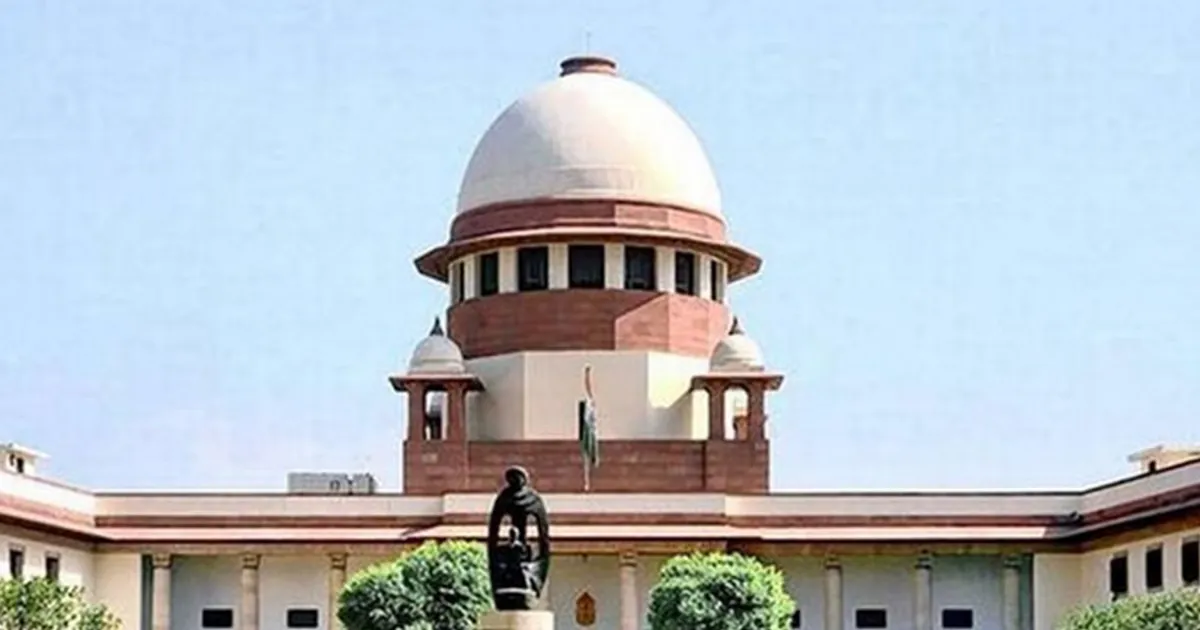
In 2017 the Supreme Court of India recognized privacy as a constitutional fundamental right. It ruled that state interference in private life must have a legal basis, pursue a legitimate aim and be proportionate to that aim. Vrinda Bhandari, a lawyer at the court who works on digital rights and privacy, said India's surveillance capacity was expanding in scope and depth. Bhandari said the principles were not sufficiently applied to advanced surveillance technologies. She said oversight in India was largely limited to internal executive branch mechanisms, while the United Kingdom and Germany had some parliamentary or judicial oversight.
Debates over surveillance technology resurfaced after detentions during anti-government demonstrations in New Delhi in October 2026. Police detained YouTuber Dhruv Rathee, a critic of the Modi government, at home when he came to New Delhi to join protests demanding the resignation of the election commission chief, and seized his phone. Rathee said in a podcast that he thought police tried to copy data from his iPhone using Cellebrite software. He said the attempt may have failed because the phone's iOS version was newer than those supported by the software. Al Jazeera said it could not independently verify his claims.
Siasat Daily reporter Mohammad Aslam Hussain said he and a cameraman were detained in New Delhi on 10 October during protests concerning the Election Commission of India, and his phone was seized. Hussain said footage recorded during news work had been deleted when he got his Samsung Galaxy S24 back that evening. He said the device was protected by a pattern lock and fingerprint verification, and that he did not know for certain how police accessed it.
The Indian government has previously been accused of monitoring journalists, activists, lawyers and political rivals with advanced spyware during Modi's rule. It rejects accusations that it carries out unauthorized surveillance. WhatsApp said Pegasus spyware, developed by Israeli NSO Group, was used in 2019 to target journalists and human rights defenders in India. Amnesty International said forensic examinations confirmed Pegasus traces on the phones of journalists Siddharth Varadarajan and Anand Mangnale. Al Jazeera requested comment from the NIA, Interior Ministry, Delhi police and officials in opposition-governed states, but received no response from official bodies by the report's publication.
Sources
In this story
India