Israel's president opens coalition talks after election
Israel's president began meetings with representatives of 11 parties on 4 November, after the 27 October parliamentary election. None of the three electoral blocs won the 61 seats required for a majority in the Knesset.
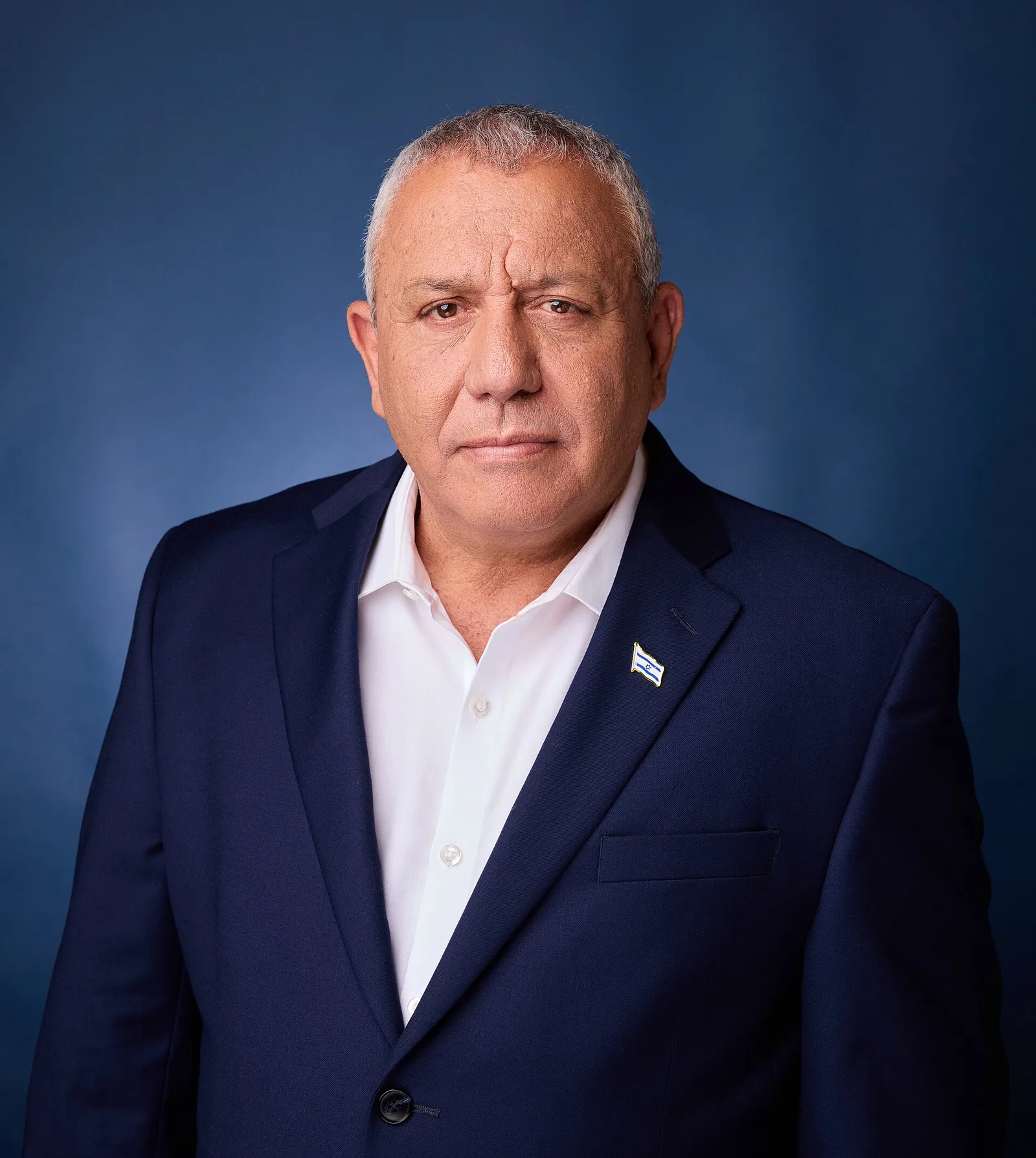
Prime Minister Benjamin Netanyahu's bloc holds 53 seats, while Gadi Eisenkot's bloc holds 48 votes. Netanyahu's party won the most mandates, with 27 seats. His bloc has the support of 46 people after United Torah Judaism said it could also back his opponent. Two lists with Palestinian citizens of Israel in decisive roles won a total of 19 seats.

After accepting the certified results, the president began at 5.00pm with Religious Zionism. Yisrael Beiteinu and Shas were also among the first parties consulted, with Shas one of two ultra-Orthodox Jewish parties. The consultations are expected to continue over two days. The president's office said he would meet the two biggest parties, Likud and Yashar, late on 5 November. The president said he wanted to encourage fresh thinking and avoid a new election.
Netanyahu tried on 2 November to delay confirmation of the results over alleged influence by foreign entities. He and his supporters alleged, without substantiating their claims, that Arab-led parties manipulated the election with possible foreign assistance. Arab-Israeli leaders strongly rejected electoral fraud claims. Israel's election commission said it had examined every complaint and found no evidence invalidating the results.
A separate Shin-Bet investigation into alleged foreign interference remains ongoing. The election commission maintains that foreign interference would not necessarily undermine election integrity. Israel's attorney general called on Shin-Bet to share progress of the fraud investigation, saying no evidence had been submitted.
On 3 November, Eisenkot and opposition leaders vowed to move quickly to form a government and oust Netanyahu. Eisenkot accused Netanyahu and Likud of a "pogrom against democracy". Netanyahu has called for a wide coalition with himself at the top. Opposition leaders said a wide coalition was not on the cards, citing Netanyahu's character and failure to prevent the 7 October 2023 attack.
Eisenkot could win a confidence vote on a future government with Arab parties' support, though the parties are not expected to back Netanyahu. Forming a majority without Likud will almost certainly require Arab parties' involvement, which would be hard for partners such as Avigdor Lieberman to accept. Negotiations may last long.
Once tasked, a candidate will have 28 days to form a government and may receive a 14-day extension. If the candidate fails, the mandate could pass to another parliament member. If mandates fail, a majority of lawmakers could nominate someone within 21 days or Israel could head to new elections in early 2027.
Netanyahu faces corruption charges and risks jail if he loses power and immunity. Israel's longest-serving prime minister has been in power on and off for nearly two decades. It took him 58 days to form a government after the November 2022 election. Israel held five elections between 2019 and 2022 after deadlocks.
Sources
In this story
Middle East