Israel's president urges compromise after inconclusive election
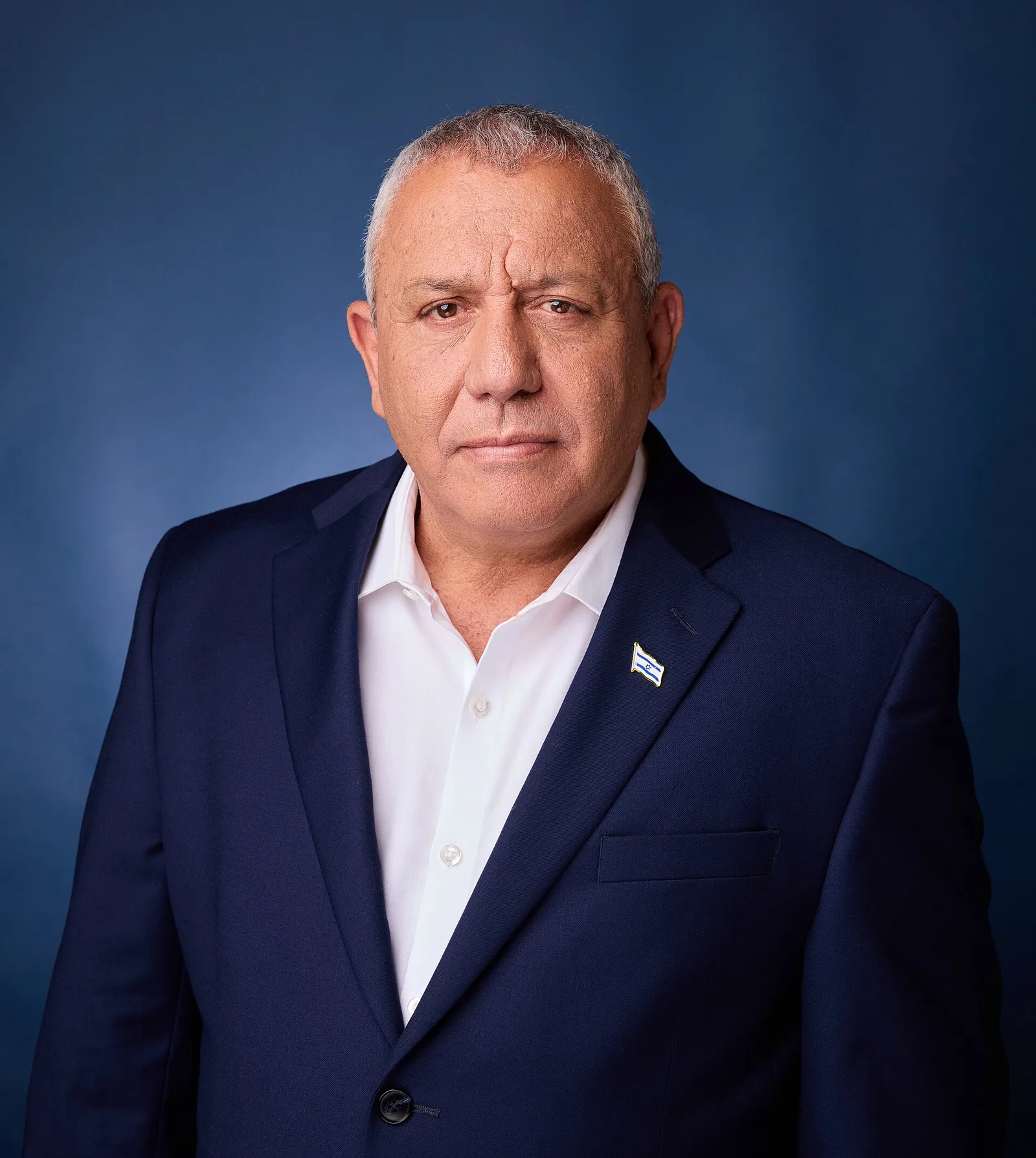
Israel's president urged political leaders on 4 November to compromise on forming a government after an election he said had no clear winner. Neither bloc held a majority in the 120-seat parliament after the 27 October vote. The president is beginning consultations to decide whether to give Prime Minister Benjamin Netanyahu or rival Gadi Eisenkot the first chance to form a government.
Eisenkot, a former military chief, is trying to unite centrists and the centre-right to end Netanyahu's rule. Netanyahu has called for a broad national government led by himself. The president's statements have raised speculation about a unity government, which Eisenkot and his allies have ruled out. Netanyahu, Israel's longest-serving prime minister, has been in power on and off for nearly two decades. He faces corruption charges that could result in imprisonment if he leaves office.
The Central Elections Committee formally approved the results, with 15 members in favour, two against and 14 abstaining. The committee said it audited 9,069 polling stations after complaints and found no evidence calling the integrity of the results into question. The justice who heads the committee said authorities would continue investigating allegations but that they would not fundamentally change the results.
The election saw soaring support for lists from the Arab minority. The minority, descendants of Palestinians who stayed in Israel after its creation in 1948, makes up around 20 percent of the population. Netanyahu has gone on the offensive against Arab-majority lists that could put Eisenkot in power if they teamed up. Israel's ultranationalist national security minister said his party did not accept the results and urged the arrest of Arab-Israeli party leaders.
Netanyahu pointed to arrests of several people with envelopes of cash on election day, which authorities called localised incidents. He accused leaders of accepting money from Qatar, an allegation also levelled against his own aides. Eisenkot accused Netanyahu's Likud party of attempting a “pogrom against democracy”.
US President Donald Trump said he had agreed with Netanyahu to end nearly US$4 billion in annual US military aid to Israel by the end of 2026. Eisenkot warned Netanyahu against launching a new war with Trump against Iran that could help Netanyahu push for a unity government or delay new elections. Democrats vowed a tougher line on Israel during outrage over devastation from the war in Gaza.
It took Netanyahu 58 days to form a government after the election in November 2022. Israel held five elections between 2019 and 2022 after repeated deadlocks. The president's role is usually ceremonial.
Timeline
- The election was Israel's first since the Hamas attacks of 7 October 2023.
- Opposition lawmakers said the US midterm elections on 3 November reinforced the need to remove Netanyahu.
- The president condemned racist rhetoric against Arab parties.
- The president will hold an initial two days of consultations.
- He will give a contender 28 days to form a government.
- A 14-day extension may be granted.
Sources
 LBCI · Israel president urges parties to accept 'no clear winner' in electionLBCI · Middle East Lebanon Arabic · s
In this story
Middle East