Mozambique opposition leader Venancio Mondlane goes on trial
Mozambique's opposition leader Venancio Mondlane went on trial in Maputo on 17 November on charges of inciting terrorism and civil disobedience over unrest following the disputed 2024 election. Prosecutors accused Mondlane of encouraging demonstrations that disrupted public services, damaged property and threatened public security, while Mondlane denied wrongdoing and said his calls sought electoral transparency rather than violence. He could face up to 24 years in prison if convicted of the most serious terrorism charge.

Prosecutors brought five charges, including glorifying crime and inciting criminal acts. The first two hours of the trial concerned procedural matters as Mondlane's lawyers sought to have the charges annulled, but the court rejected their arguments. The trial is expected to be heard by five judges, with witnesses called by the prosecution and defence, and to last months. Mondlane told reporters he felt calm and confident because of the work done by his lawyers. He accused the Attorney General's Office of withholding the accusation for 130 days and presenting documents with serious procedural irregularities.


Mondlane and his party, the National Alliance for a Free and Autonomous Mozambique, described the prosecution as politically motivated; the Supreme Court denied allegations of political interference. The court granted trial access only to selected media organisations, drawing criticism from journalists and press freedom campaigners. Court officials said the restriction was necessary because of limited courtroom seating, while critics argued it undermined transparency in a case of public interest. The court banned live broadcasts, citing the risk of instability.
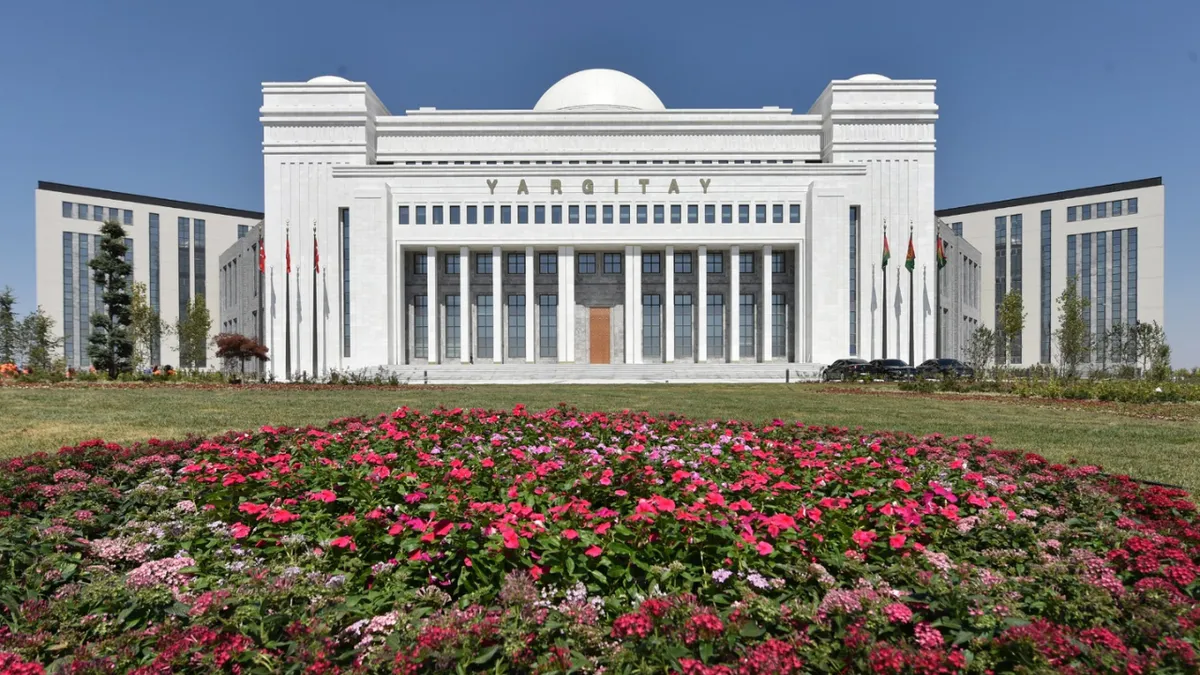
Police officers and vehicles were deployed along roads leading to the Supreme Court, with roads sealed off or restricted as authorities feared fresh demonstrations by Mondlane's supporters. Dozens of his supporters gathered outside the court, calling his name and waving when he appeared. The National Prison Service ordered all prisons onto combat readiness and redeployed guards from administrative posts to operational duties over fears of trouble during the trial. Police appealed on 16 November for tolerance and peaceful coexistence and said the right to demonstrate must be exercised strictly within the law. Police pledged to protect people and property and to act preventively and proportionately in accordance with the rule of law.
Mondlane accused authorities of widespread electoral fraud, while President Daniel Chapo and Frelimo rejected the Opposition's allegation that they won through vote-rigging. He called for nationwide protests and work stoppages after challenging the results. European Union election observers reported irregularities in the October 2024 vote, while Western observers said the election was not free and fair. Frelimo has ruled Mozambique since independence in 1975.
Mondlane mobilised thousands of supporters in months of protests that were met with a violent security crackdown. Rights groups accused Mozambique's security forces of using excessive force against protesters. Nile Post reported hundreds killed in the protests and cited police figures of 96 and about 96, as well as Amnesty International, which cited local civil society organisations in putting the toll at more than 300; The Straits Times cited a civil society monitoring group that also put the toll at more than 300; and Africanews cited civil society groups saying at least 400 died. Police said 17 police officers were among those killed. Children were shot dead after joining pot-banging protests in Mozambique.
Political analyst Luis Nhachote said the trial was a test for Mozambique and an opportunity to demonstrate that the rule of law applies equally to everyone. Political observers warned that the trial could reignite tensions as the country struggles to recover from violence and political divisions following the elections. Zita said many Mozambicans saw Mondlane as a voice for political change.