French prosecutors probe bomb threats to European flights
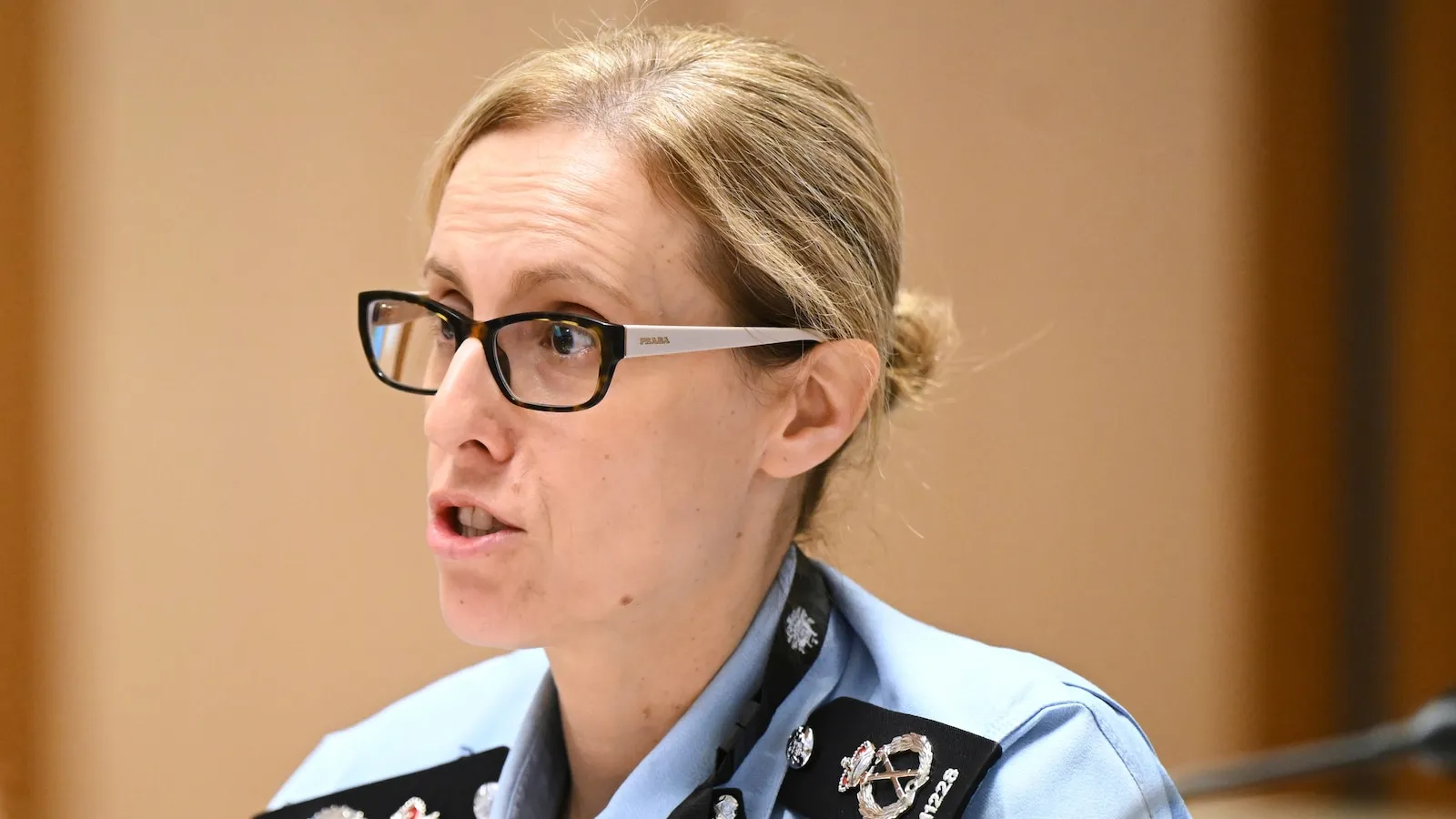
French prosecutors have opened a probe into bogus bomb threats targeting commercial flights in Europe, including whether foreign powers could be involved. Officials across Europe reported a new wave of threats targeting flights, airports and media outlets on 6 November, following earlier false alarms that caused flight diversions. Eurocontrol said it was aware of bomb hoaxes targeting 14 flights on 5 November.
Czech police opened an investigation into threats against flights at Prague's Vaclav Havel Airport. An airport spokeswoman said nine flights that had taken off from or were headed to the airport received threats. Four were incoming and five were outgoing. Airport management said the aircraft were on the ground undergoing security inspections and that the measures would not greatly affect operations.A
French Prime Minister Sebastien Lecornu's office said four bomb hoaxes targeted planes flying over France. The office did not specify which flights were involved. Hungary's defence minister said fighter jets escorted three passenger planes through the country's airspace within an hour after each received a bomb hoax. The minister said the routes were from Brussels to Sofia and from Prague to Cyprus and Romania.A
A Wizz Air flight from Prague to Rome was diverted to Venice after a bomb threat. Passengers were evacuated upon landing, and police inspected the aircraft. A Tarom flight from Prague to Bucharest also received a threat. In Portugal, local media reported a bomb threat aboard a Ryanair flight from Lisbon to Rome. A specialized security unit inspected the aircraft, passengers and luggage and found no explosive device.A
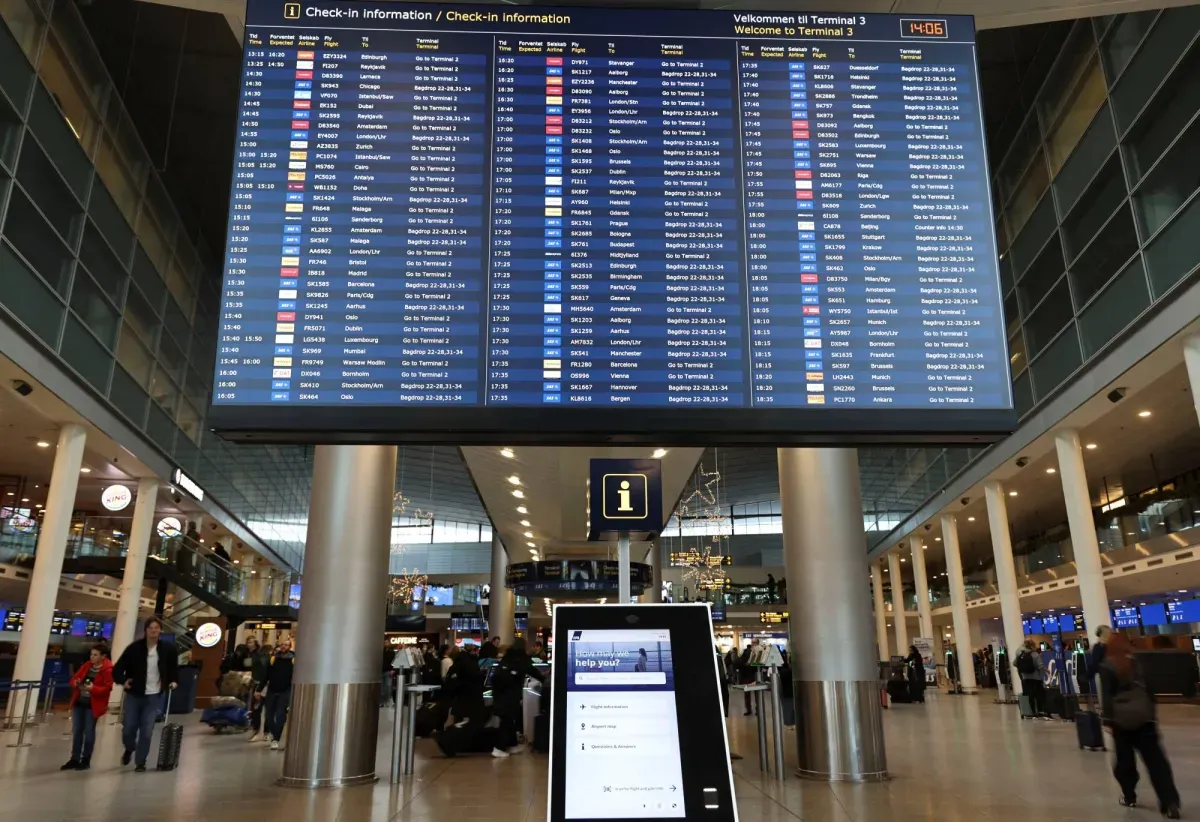
Police were deployed at Copenhagen Airport for a second consecutive day as a precaution. Danish police assessed there was no danger to passengers and others at the airport. Three media broadcasters also received security threats. No suspicious objects were found, and no one was injured. Ireland's government said hoax bomb claims sent to Irish media outlets were likely part of a coordinated campaign of disruption linked to the threats to airlines.
Eurocontrol said 35 European flights were affected by bomb threats on 3, 5 and 6 November. It said it was monitoring the situation and working closely with airlines, airports, navigation providers and other groups across Europe, and its data showed air traffic disruptions were minimal. European Cockpit Association vice-president Paul Reuter said bomb hoaxes worried pilots and created unnecessary tension, but crews were prepared to respond professionally. Robert Jordan, research director at the UK think tank Royal United Services Institute, said airlines must take every such threat seriously because they are responsible for passengers' lives. Jordan said there were more ways than ever to threaten air traffic and that secure messaging apps allowed greater anonymity than before.
European security agencies are investigating whether coordinated bomb threats targeting European flights could have originated in Russia. One of the threat emails was traced to Colombia. Another European airport received a similarly worded threat, but it was unclear whether it came from the same sender. Authorities have not attributed the threats to any group or state, and no evidence has emerged linking them to any government.
Timeline
- Eurocontrol said it was aware of seven hoaxes.
- A threat email to Rome airport management was allegedly sent by a group describing itself as antifeminist, which claimed its target was a "feminist regime".
- The group's founder denied involvement and said the movement had not existed since 2021.
- Irish public broadcaster RTE's headquarters in Dublin was evacuated because of a bomb hoax, and live broadcasts were replaced with other content.
Sources
The Straits Times · France probes if bomb threats against airlines linked to ‘foreign powers’Asia Pacific Singapore  Asharq Al-Awsat · فرنسا تحقق في احتمال وقوف قوى أجنبية خلف بلاغات كاذبة عن وجود قنابلAsharq Al-Awsat · Middle East Saudi Arabia Arabic · s
 Sky News Arabia · إنذارات قنابل كاذبة تربك الطيران.. وفرنسا تتقصى صلة أجنبيةSky News Arabia · Middle East United Arab Emirates Arabic · s
 LBCI · France probes if bomb threats against airlines linked to 'foreign powers'LBCI · Middle East Lebanon Arabic · s
 El Comercio · Europa bajo amenaza: ¿qué hay detrás de la ola de falsas alertas de bomba contra vuelos comerciales?El Comercio · Latin America Peru Spanish · s
 Maariv · פאניקה בשחקים: עשרות טיסות שובשו - האצבעות מופנות למוסקבהMaariv · Middle East Israel Hebrew · s
 Gulf News · What to know about the hoax bomb threats that targeted flights in EuropeMiddle East United Arab Emirates
 Vot Tak · Европейские спецслужбы заподозрили Россию в организации массовых ложных угроз взрывов пассажирских самолетовVot Tak · Russia Belarus Russian · s
 Novaya Gazeta Europe · FT: европейские спецслужбы проверяют «российский след» в массовых угрозах минирования самолетовNovaya Gazeta Europe · Europe Latvia Russian · s Sky TG24 · Allarmi bomba, Financial Times: "Servizi europei indagano su pista russa"Sky TG24 · Europe Italy Italian · s Asharq Al-Awsat · بلاغات القنابل تربك شركات الطيرانAsharq Al-Awsat · Middle East Saudi Arabia Arabic · s Insajder · Nove dojave o bombama na letovima širom Evrope, pretnje dobila i tri medijska emiteraInsajder · Balkans Serbia Serbian · s Sky News Arabia · بلاغات غامضة تشل رحلات جوية.. ماذا يحدث في سماء أوروبا؟Sky News Arabia · Middle East United Arab Emirates Arabic · s
In this story
Europe



Conflict