Oxford museum returns remains of 39 people to Naga community
The University of Oxford's Pitt Rivers Museum returned the remains of 39 people to the Naga community on 9 November. The remains were taken during Britain's colonial rule in India.
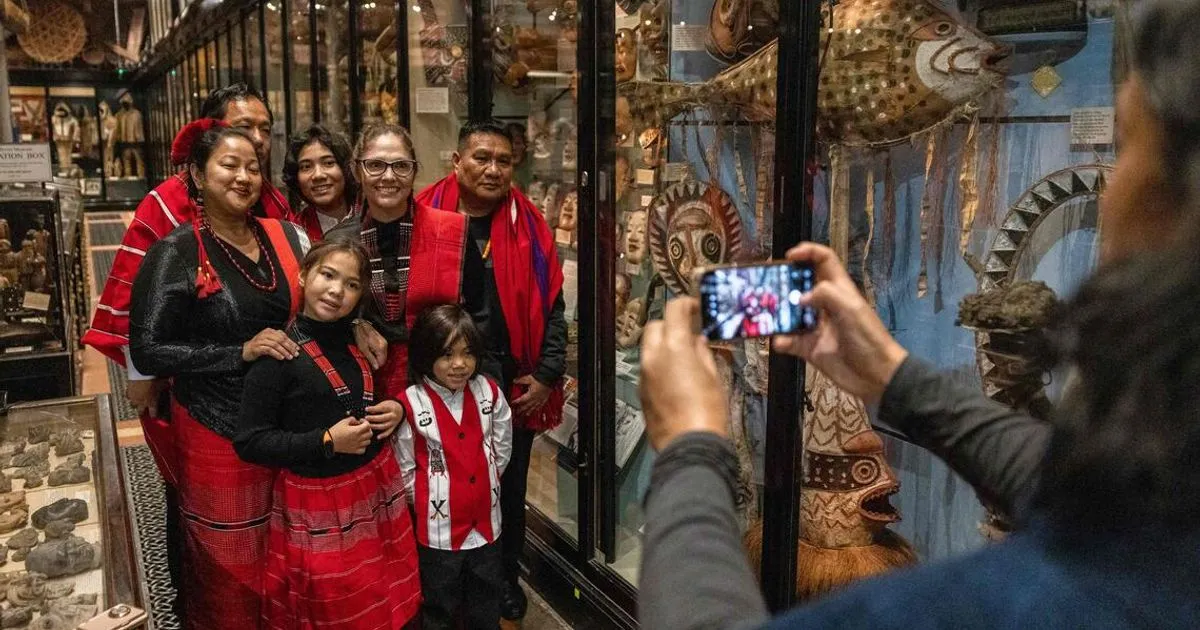
Almost 30 people from the Naga community based in northeastern Nagaland, a mountainous state bordering Myanmar, travelled to Britain for the handover. The ceremony concluded a process that began in 2020 with the Forum for Naga Reconciliation as facilitator. Museum director Laura Van Broekhoven and Rev. Dr. Wati Aier signed the transfer form for the museum and the forum, respectively. Professor Visier Sanyü and tribal leader Thejao Vihienuo, 73, attested the document for the forum and the Naga tribes, respectively. Nyamto Wangsha led the ceremony with a tribal chant. D

Van Broekhoven said they were already on their way to Heathrow airport. Naga tribal leaders plan to bury them together under a joint memorial at Naga Solidarity Park in Kohima. A team from the forum and Naga tribal bodies is expected to return to Nagaland.

The remains were brought to Oxford between 1910 and 1940. Most were collected by two colonial administrators who were anthropologists. Most of the remains were human skulls, and one was a chief's head. The museum says items collected during the colonial era were frequently confiscated during punitive expeditions rather than freely given. Anthropologist Dolly Kikon, a member of Nagaland's Lotha-Naga community, said Naga people once practised headhunting, severing enemies' heads as trophies, but also kept their chiefs' heads at the centre of villages.
I suspect that nobody would have given the skull of his father or his grandfather as a gift to another person
Thejao Vihienuo
The museum holds more than 6,000 objects representing Naga culture, the largest such collection in the world. Van Broekhoven said the museum still has around 2,700 human remains in storage and had removed all human remains from display much later than most museums. The forum said collectors have donated Naga artifacts, including ancestral remains, since the museum was established in 1884. The ethnographic museum has previously handed back human remains to Indigenous communities in Australia, New Zealand and the United States.D
Sanyü spoke about violence against Naga people during British rule and recounted the burning of his village by the colonial British force. Vihienuo, president of the Angami Public Organisation, said repatriation was a Naga right to care for ancestors and called for all Naga ancestral remains in museums to be returned with dignity. Vice-Chancellor Professor Irene Tracey called the repatriation a community-led initiative of reconciliation, healing and peace. Recover, Restore and Decolonise team coordinator Rev. Dr Ellen Konyak said it was a new beginning for Nagas to create their own story.
Sources
Dinamani · 39 நாகா உடல் பாகங்கள்: நூறாண்டுகளுக்குப் பின்னா் ஆக்ஸ்ஃபோா்ட் பல்கலை. திரும்ப ஒப்படைப்பு!Dinamani · India Tamil · s Asianet News · അധിനിവേശത്തിന്റെ മുറിവുണങ്ങുമോ? ഓക്സ്ഫഡ് മ്യൂസിയത്തിൽനിന്ന് നാഗാ പൂർവികരുടെ ഭൗതികാവശിഷ്ടങ്ങൾ ജന്മനാട്ടിലേക്ക്Asianet News · India Malayalam · s  Euronews Türkçe · Oxford'daki müze, sömürge döneminde Hindistan'dan götürülen Naga halkından 39 kişiye ait kalıntıları iade ettiEuronews Türkçe · Europe France Turkish · s
 Madhyamam · ബ്രിട്ടീഷുകാർ ഇന്ത്യയിൽ നിന്ന് കടത്തിയ ‘നാഗാ തലയോട്ടികൾ’ തിരിച്ചുനൽകിMadhyamam · India Malayalam · s
 Kannada Prabha · ಶತಮಾನದ ನಂತರ 39 ನಾಗಾಗಳ ಅವಶೇಷಗಳನ್ನು ಭಾರತಕ್ಕೆ ಹಿಂದಿರುಗಿಸಿದ ಆಕ್ಸ್ಫರ್ಡ್ ವಿಶ್ವವಿದ್ಯಾಲಯKannada Prabha · India Kannada · s Hindustan Times · Oxford University returns remains of 39 Naga people after more than a centuryIndia The Straits Times · Oxford museum makes ‘historic’ return of Naga human remainsAsia Pacific Singapore