Romanian intelligence links Brasov arson to Russian network
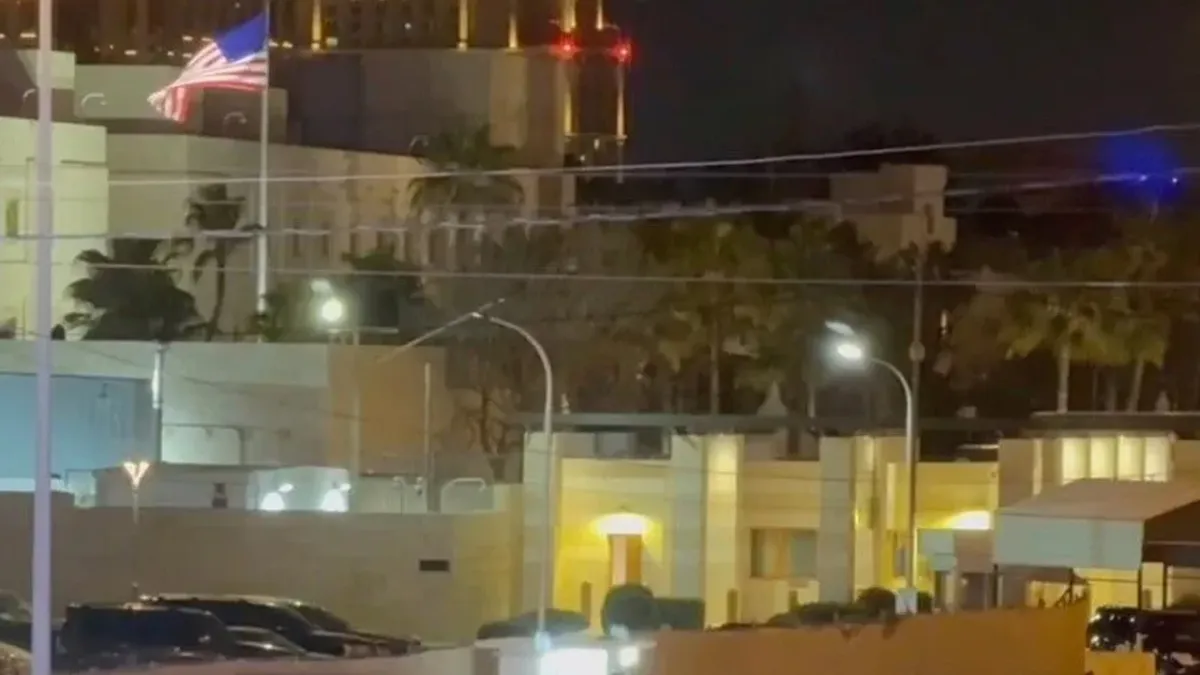
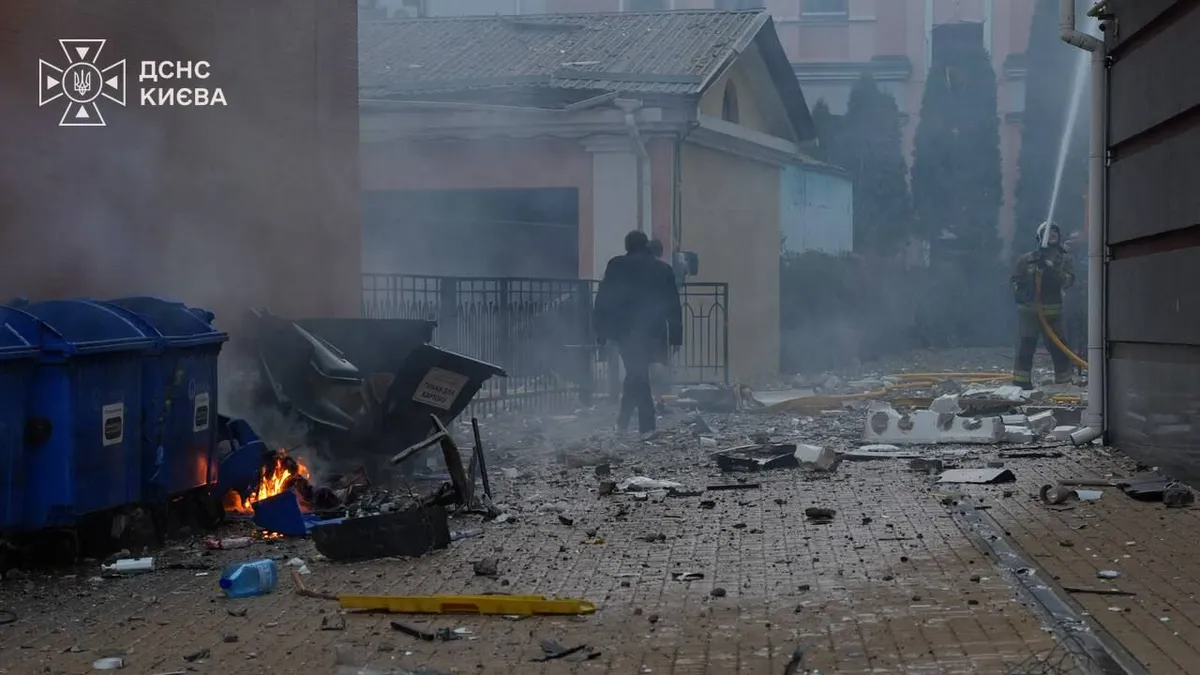
Ukraine's Foreign Intelligence Service said in a statement that a fire broke out near the Carfil SA defense plant in Brasov, Romania, in September. Romanian intelligence said a network directed by Russian intelligence services was behind the arson. The Ukrainian service said around 200 acts of sabotage linked to Russia have been recorded in Europe since 2022.

The people detained in the European Union included a Ukrainian citizen and two Belarusians. They were allegedly preparing similar crimes.

This case is just one element of a broad hybrid campaign that Russia is conducting across European countries, including through Ukrainians. Although millions of our fellow citizens who have fled the war are law-abiding, Moscow is trying to identify vulnerable people among them and recruit them as expendable assets for sabotage operations. This is why each such incident has such a high-profile impact, which is precisely what the Kremlin is counting on
the agency
The service said Poland accounted for the largest share of those acts, at 21%. Investigators said more than 170 perpetrators of hostile tasks had been identified, including Ukrainians. Russian curators reportedly focus mainly on Polish railway tracks, logistics hubs, warehouses and military enterprises. The Kremlin reportedly aims to intimidate Europeans and undermine military aid to Ukraine. Intelligence said Poland became the main focus of Russian special services because the main flow of that aid passes through it.
Recruiters reportedly target vulnerable refugees, including low-income people, teenagers, people from temporarily occupied territories and people with criminal pasts. Recruits are mostly sought through job-related groups in messengers and social networks. Russian curators reportedly assign them tasks ranging from photographing a facility to blowing it up. The service said agents in most cases do not receive promised money and quickly face blackmail by curators. Russian special services reportedly leave recruits facing the threat of long imprisonment.
The service said involving people with Ukrainian passports gives Moscow an alibi to deny involvement. Russian propaganda reportedly aims to stir anti-Ukrainian sentiment among citizens of countries that sheltered refugees. The service exchanges data constantly with European partners to detect recruitment channels. Intelligence officers identified confidentiality demands, offers of easy earnings for filming infrastructure and attempts to collect personal information as main danger markers. Intelligence said seeking legal aid from host country law enforcement or Ukraine's diplomatic mission was an effective way to avoid recruitment.