Donald Trump removes JD Vance from Iran negotiations file
United States President Donald Trump removed his deputy JD Vance from the Iran negotiations file. On 12 November, Trump wrote that the United States did not need an agreement with Iran. United States Secretary of State Marco Rubio told Group of Seven (G7) counterparts in Paris on 10 November that Trump had chosen economic pressure over resuming war with Iran or seeking an agreement, three meeting attendees told Axios.
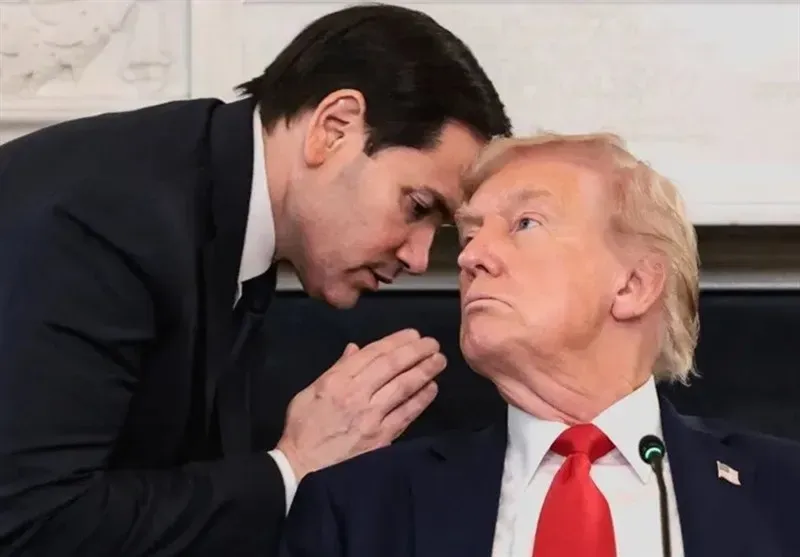
The meeting with foreign ministers was closed. Rubio described the policy goal as imposing heavy economic costs and making it harder to finance terrorist groups and rebuild Iran's military capability. He said no end date had been set for the pressure campaign and that Trump did not consider himself bound by an artificial deadline.

He had been seeking a solution, but was not sure what the best path forward was.او به دنبال راهحل بوده، اما مطمئن نبود بهترین مسیر برای پیشبرد کار چیست
An American official close to Donald Trump
On 9 November, after meeting Qatari Prime Minister Mohammed bin Abdulrahman Al Thani in Washington, Trump said the war with Iran was "practically finished on the military level". He said the likelihood of new attacks was very low and they did not seem necessary, adding that he would prefer to avoid a new offensive but United States forces were prepared to act. He also stressed a naval blockade and Operation Iron Gate to cut land routes for transferring advanced weapons and technology to Iran. Trump has also threatened the complete destruction of Iran and predicted Tehran would surrender and accept an agreement he wanted.

Trump said Iran retained barely 10% of its missile capacity and only 15% of its drones. He said Washington had identified 38 bridges and power plants as possible targets for a new offensive. Trump said Iran's energy facilities, bridges and factories could be destroyed within three days.
Axios reported that Rubio, Treasury Secretary Scott Bessent, Central Intelligence Agency (CIA) Director John Ratcliffe and adviser Jared Kushner pushed for the economic pressure strategy as views diverged within the administration on ending the confrontation with Tehran. Disagreement over the path forward led to tension among several factions at senior levels of the United States government.
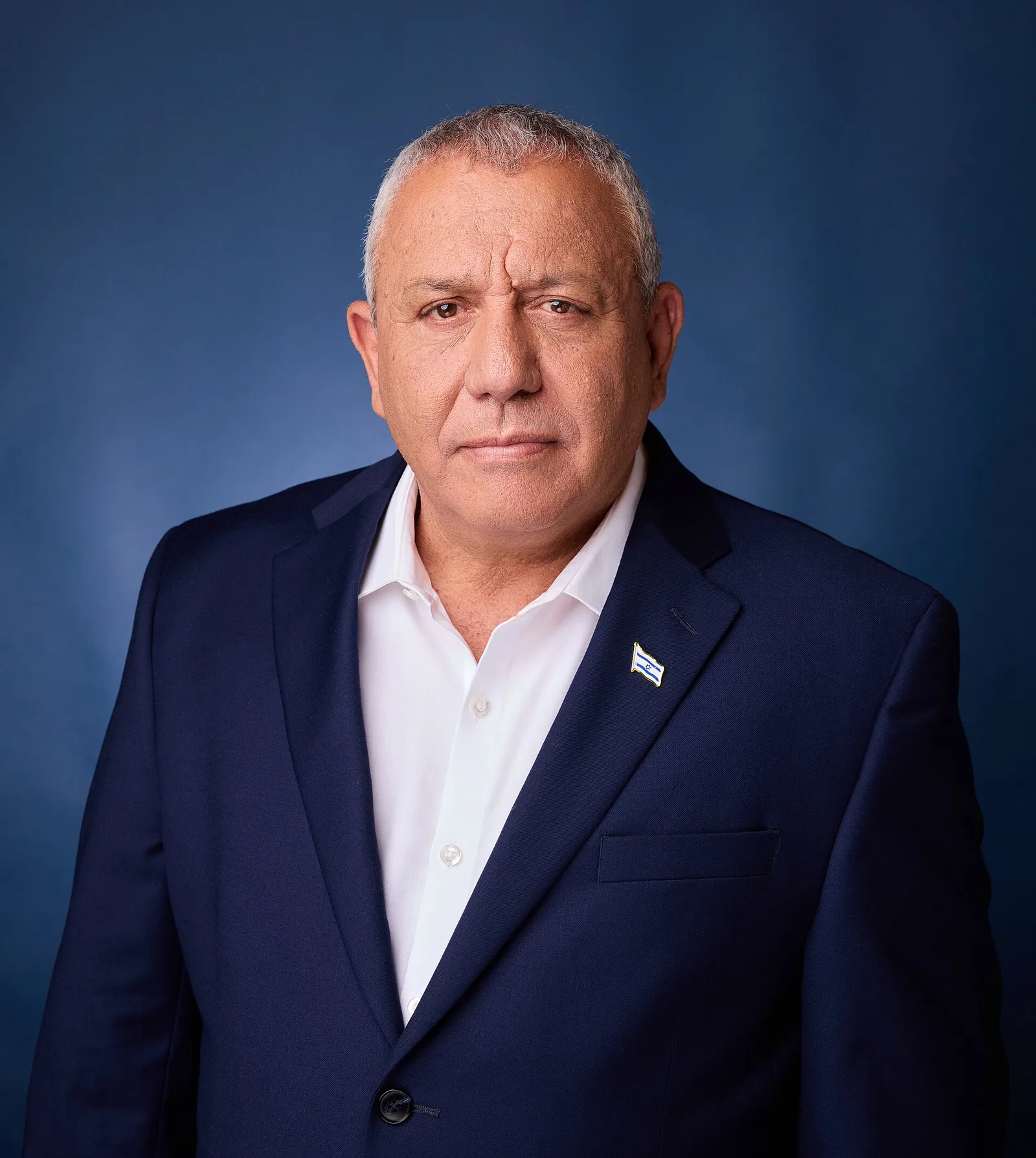
Israel wanted attacks to resume while most Gulf countries opposed them, with each United States government faction backed by some of the country's allies in the Middle East. Mossad chief Roman Gofman arrived in Washington. United States allies Turkey, Iraq and Pakistan worry that prolonged pressure could bring demands to stop commercial dealings with Tehran, including stopping flights and closing borders, potentially worsening economic and security unrest in their countries.
Iranian President Masoud Pezeshkian said Supreme Leader Mojtaba Jamenei ordered the government to end the state of neither war nor peace with the United States and seek an exit from the conflict. Deputy Mustafa Izadi said attacks would not be limited to Israel and would extend beyond the region. Revolutionary Guard leaders appeared at a funeral ceremony mobilized by the authorities.
Sources
Asharq Al-Awsat · ترمب يهدد بإكمال الحرب على إيرانAsharq Al-Awsat · Middle East Saudi Arabia Arabic · s  La Nación Costa Rica · ‘Está claro que lo consideraría’, dice Trump sobre posible acción militar en CubaLa Nación Costa Rica · Latin America Costa Rica Spanish · s Entekhab · ادعای الجزیره به نقل از ترامپ: اگر لازم باشد، برای استفاده مجدد از نیروی نظامی علیه ایران تردید نخواهم کرد/ ممکن است همین حالا نیز این کار را انجام دهمEntekhab · Middle East Iran Persian · s Iran International (Persian) · بهای خروج برای طرفهای جنگ ایران سنگین شده استIran International (Persian) · Europe United Kingdom Persian · s
 La Tercera · Funcionarios iraníes afirman que Trump planea un nuevo ataque militar o sanciones más severasLa Tercera · Latin America Chile Spanish · s El Balad · ترامب يحسم خياراته بشأن إيران.. «الخنق الاقتصادي» بديلًا عن الحرب والمفاوضاتEl Balad · North Africa Egypt Arabic · s Sky News Arabia · بدلا من الحرب والصفقة.. ترامب يراهن على خنق إيران اقتصادياSky News Arabia · Middle East United Arab Emirates Arabic · s Iran International (Persian) · اکسیوس: ترامپ ادامه فشار اقتصادی را به جنگ یا توافق با تهران ترجیح داده استIran International (Persian) · Europe United Kingdom Persian · s El Comercio · Las señales de Trump e Irán sobre el posible fin de una guerra en la que “ninguno ha ganado”El Comercio · Latin America Peru Spanish · s
In this story
Middle East