European Parliament and EU states agree to delay methane rules
The European Parliament (EP) and European Union (EU) member states agreed on 19 November to postpone key methane-emission rules for two years. Importers of crude oil, natural gas and coal will have until 1 January 2029 rather than 1 January 2027 to meet monitoring, reporting and verification obligations. The agreement followed oil and gas industry pressure and concerns about energy security and affordability.
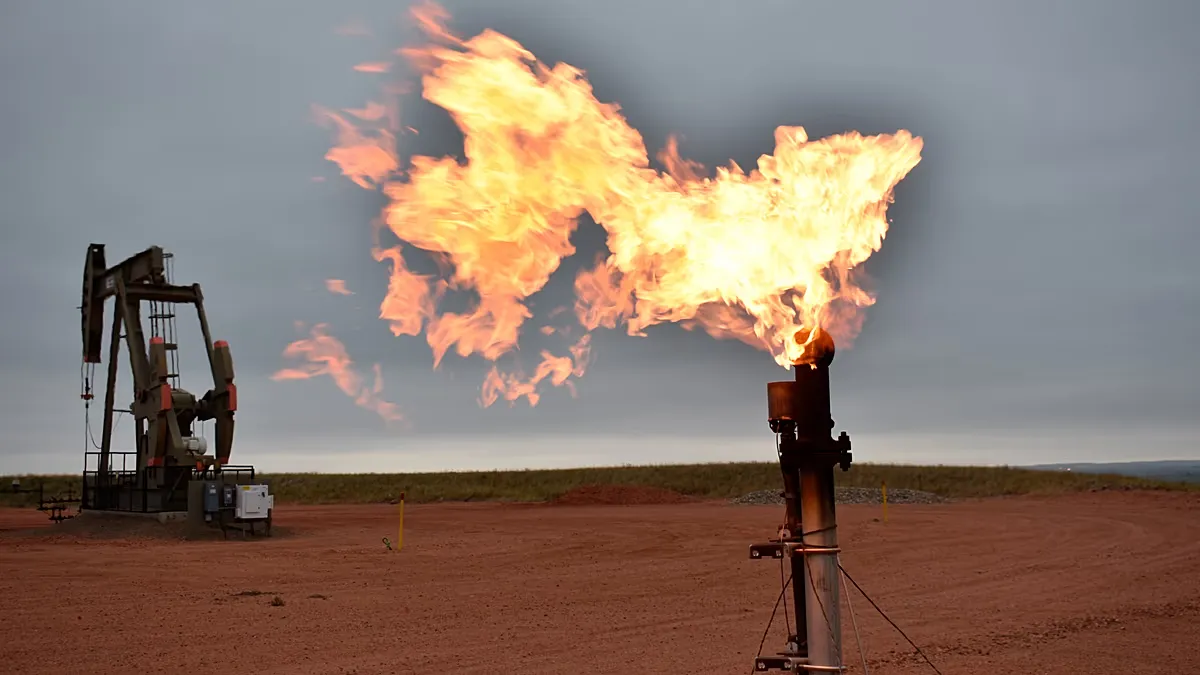
Euronews reported that methane-emissions intensity reporting obligations for European producers and importers would be postponed until August 2030. The provisional agreement requires formal approval by the EP and the Council of the European Union (Council of the EU) by the end of 2026 to enter into force. The rules were adopted in 2024 and require foreign suppliers to provide emissions data associated with oil, gas and coal sold on the European market.

The European Commission (EC) proposed postponing the obligations in autumn 2026, before prolonged negotiations with the EP and member states that included overnight discussions. The EP initially sought a three-year postponement, which the European People's Party (EPP) supported in October with far-right backing after negotiations with socialists and liberals failed. Member states supported a one-year postponement, and the compromise also exceeds the EC's original proposal. The dispute strained relations between the EPP, the EP's largest political group, and its traditional allies on environmental protection.
EPP MEP and EP Environment Committee negotiator Dimitris Tsiodras said the regulation was not being suspended and that the compromise would ensure effective implementation and practical compliance. Tsiodras said his group's priority was energy security, affordability and industrial competitiveness while respecting methane-emissions reduction commitments. The Greens accused conservatives of joining forces with the far right to weaken climate rules and protect fossil-fuel industry interests. Critics said the postponement was a concession to the fossil-fuel industry at the expense of EU climate goals, while supporters said the original deadline was unrealistic and could disadvantage European producers and importers.
Irish Minister for the Environment, Climate and Energy Darragh O’Brien said negotiators had reached a pragmatic balance that addressed energy-market pressures while maintaining EU leadership in cutting methane emissions. O’Brien said the compromise showed the EU's commitment to tackling pollution while protecting citizens from high energy prices. Ireland holds the rotating presidency of the Council of the EU. The Council of the EU said the postponement gave businesses and member states flexibility to ensure secure, reliable energy supplies during global instability while maintaining the EU's direction on emissions reductions.
The United States, Europe's largest liquefied natural gas supplier, and major energy companies strongly opposed the proposed legislation. The United States warned that implementation could increase costs and hinder energy exports to the EU market. In September 2026, French President Emmanuel Macron asked EC President Ursula von der Leyen in a letter to extend deadlines and warned against weakening EU production capacity during growing energy insecurity. Disruptions to shipping through the Strait of Hormuz caused by the war waged by the United States and Israel against Iran heightened energy-supply concerns. Energy prices rose during heightened volatility linked to the Middle East conflict and the war in Iran.
Environmental organisations and experts disputed claims that a delay would greatly lower energy prices or improve supply security. They said the rules initially focus on monitoring and reporting emissions rather than banning fossil-fuel imports that fail European standards. Raporter estimated that methane is responsible for about 30 percent of global warming and has a much stronger short-term warming effect than carbon dioxide. Cutting methane emissions from fossil-fuel production is considered among the fastest and most cost-effective ways to slow global warming because the necessary technologies are already available.
The postponement reduces Romania's risk of trade disruptions and additional supply-chain price rises during high-demand periods, including winter. Romania covers most of its gas needs through domestic production but uses imports during peak-demand periods, including supplies from outside the EU or through regional liquefied natural gas terminals. Under the original schedule, monitoring and reporting obligations could have limited eligible suppliers and added administrative and compliance costs that would have passed into wholesale prices and business and household bills.
Sources
Insajder · Evropska unija odložila primenu pravila o emisiji metana za dve godineInsajder · Balkans Serbia Serbian · s 
 Euronews Türkçe · AB, metan emisyonlarına yönelik düzenlemeleri 2 yıl ertelediEuronews Türkçe · Europe France Turkish · s