European Union ministers to examine Georgia measures in January
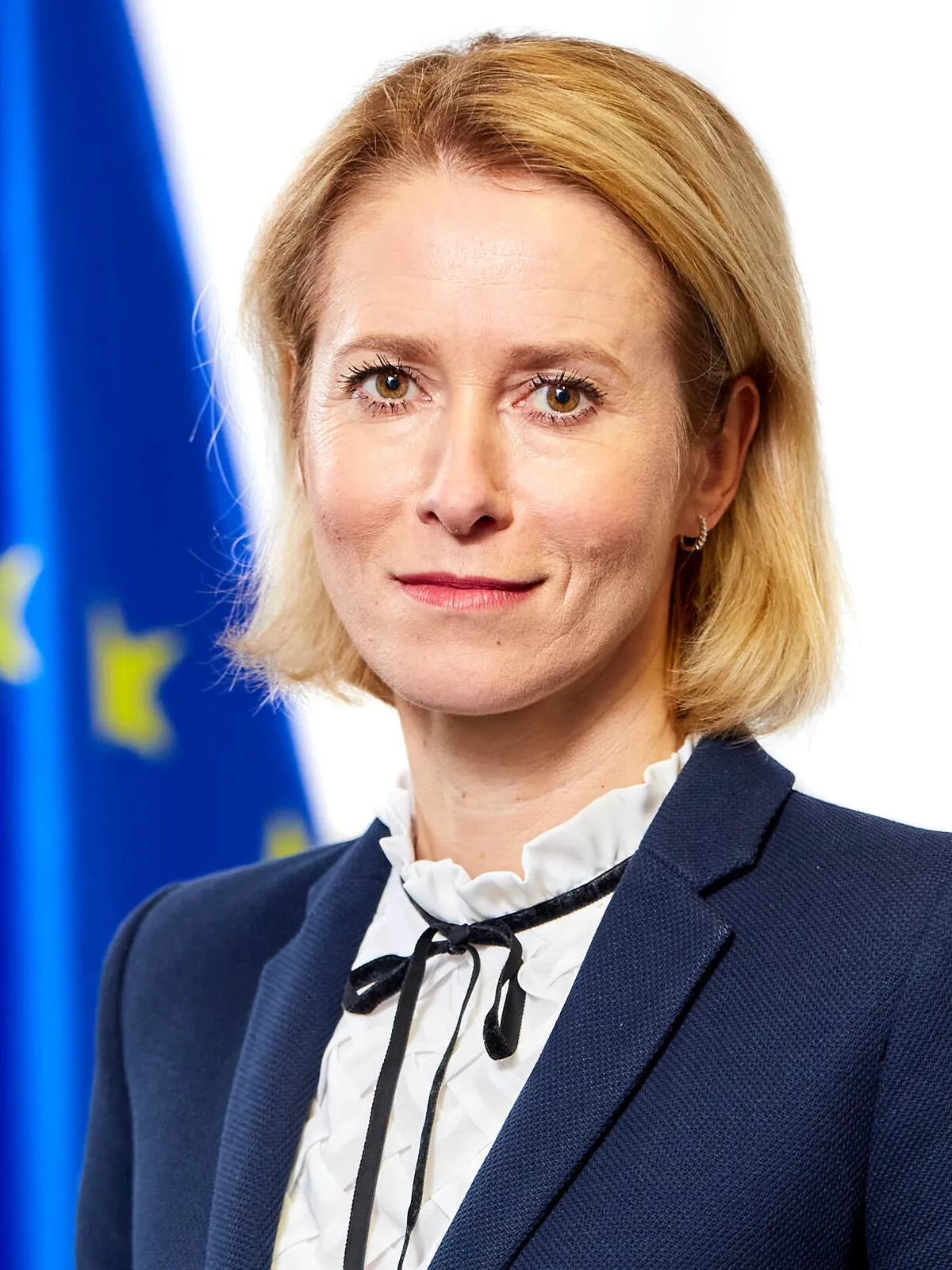
European Union High Representative for Foreign Affairs and Security Policy Kaja Kallas said foreign ministers will examine new measures against Georgia in January over worsening democratic standards. She said on 4 November that possible new sanctions against the Tbilisi administration could be on the agenda.
The announcement followed publication of the European Commission's progress reports on European Union candidate countries. In its annual report, the commission found further democratic backsliding in Georgia, including increased restrictions on civic space and deterioration of fundamental rights. It also cited serious backsliding spanning the judiciary to media freedom. In November 2024, Tbilisi unilaterally announced it would not seek to open European Union accession negotiations before the end of 2028.

Kallas said it was too early to talk about proposing new sanctions against the Georgian government. She said the discussion would aim to reconcile member states' differing views on how to respond to Tbilisi's moves. Kallas said the Georgian government was "on a collision course with the European Union" over democratic backsliding. She said the response should "clearly show that we support the Georgian people" and their European Union aspirations while telling the government its policies lack support.
In 2024, the EU External Action Service proposed sanctions against officials responsible for violently suppressing peaceful protests, but Hungary and Slovakia blocked the measures. Brussels suspended the visa-free regime for holders of Georgian diplomatic passports, a step that could be adopted by qualified majority, unlike sanctions, which require unanimity. The restriction took effect in March 2026 for one year and can be extended for at most two more years. The European Commission must adopt an additional legal act by 6 January 2027 at the latest.