Portugal reopens schools and public services after Storm Charles
Schools and public services reopened in mainland Portugal on 12 November after Storm Charles passed. The Portuguese government had ordered schools and non-essential public services to shut as the storm approached, and about 8,000 schools cancelled classes. Portugal's Meteorological Institute (IPMA) said the storm's impact lessened when it reached land.
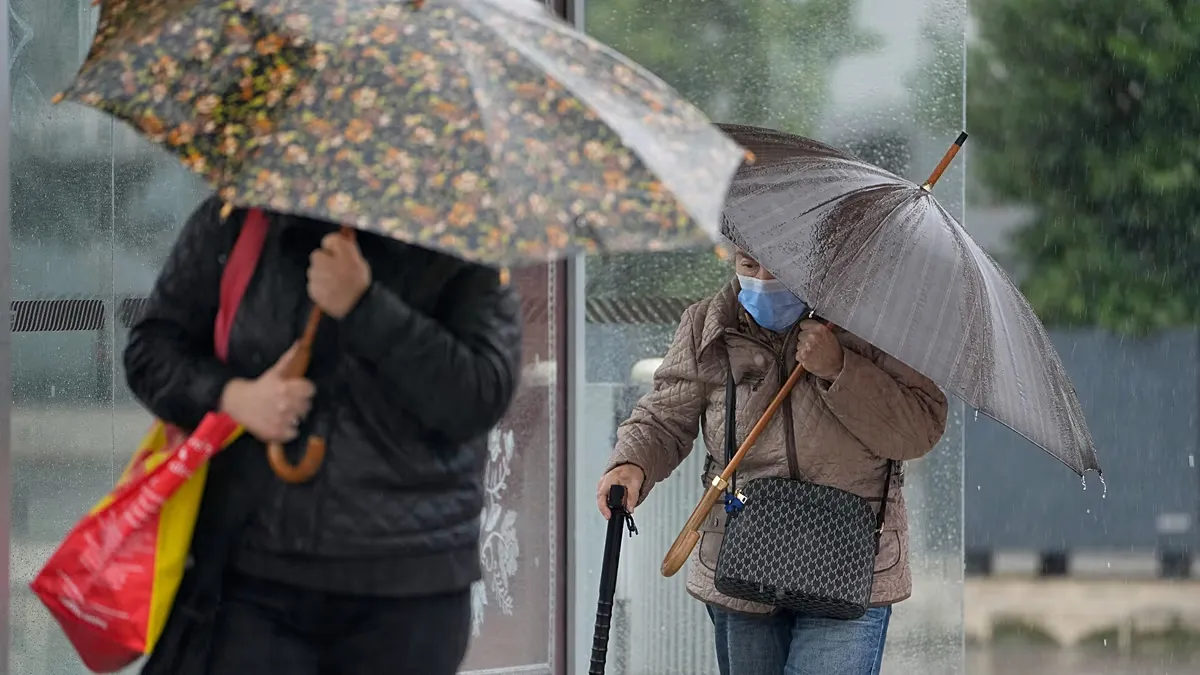
The government advised people to leave their homes during the strongest rain and wind only if absolutely necessary and urged drivers to be especially cautious. Streets in Portugal remained largely empty after the government's call for people to stay at home. Portuguese authorities announced maximum alert, warning of floods, falling trees and power cuts. They urged residents to go to shelters and houses during peak rains and winds. Interior Minister Luis Neves said Portugal was putting all emergency services and army units on alert ahead of the storm.


Thousands of people experienced power cuts on 10 November. Intercity bus services were suspended, and supermarket chain Pingo Doce closed all its stores. Nearly 400 flights were cancelled across four airports in Portugal. Portugal's airport operator ANA said Lisbon airport was the most affected by bad weather. E
The National Emergency and Civil Protection Authority (ANEPC) counted 1,630 reports on the mainland by 18:00 on 11 November. Municipal firefighters in Lisbon recorded 275 reports by 16:30, mainly due to flooding. ANEPC National Commander Mario Silvestre said four people were evacuated. The operation mobilized 6,669 personnel.E
There will be very tough moments when rescue efforts will be needed
Interior Minister Luis Neves
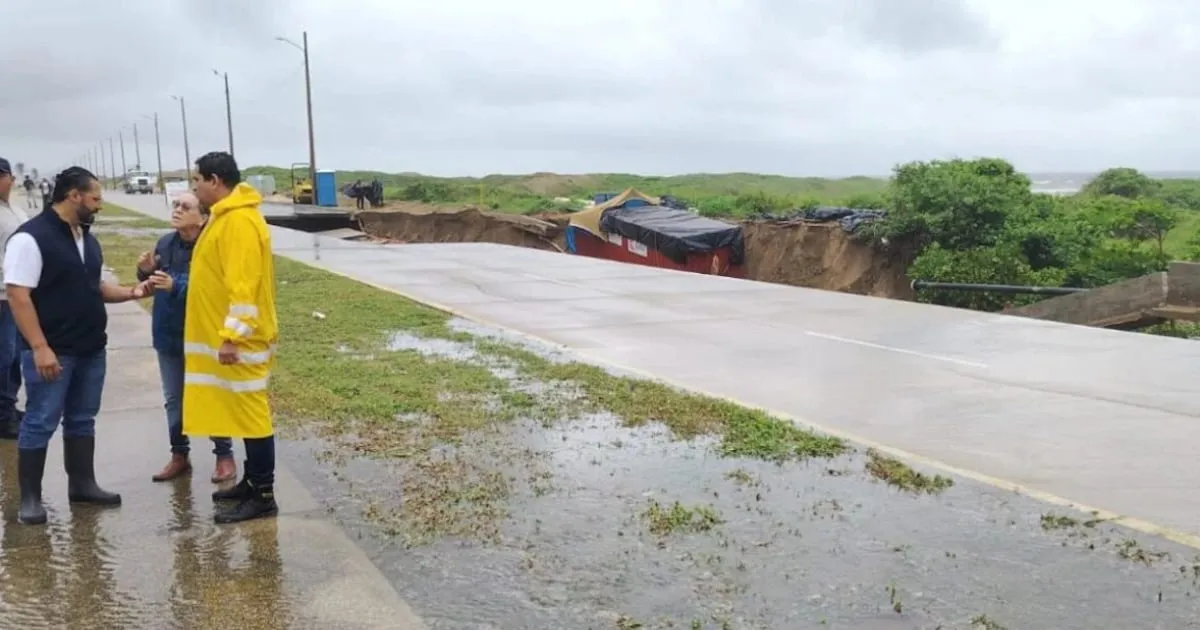
Authorities issued red alerts in large parts of the Madeira archipelago and Portugal's central and southern regions, and highest-level warnings were in effect for parts of the archipelago. IPMA expected Charles to worsen weather on the mainland, with orange-level warnings. Gusts were forecast to reach 80 to 100 km/h, and up to 130 km/h in higher areas. Another forecast put gusts at up to 150 kph, equivalent to 93 mph, and warned of torrential rain. Wind speed was expected to reach 140 kilometres per hour.
IPMA said the storm's centre split into two over the Atlantic Ocean. The institute said more than 100 mm of rain could fall locally in mountain regions within twelve hours. Waves of 3.5 to 4.5 meters were expected on Madeira's south coast, while forecasts for the archipelago predicted waves up to six meters high and heavy rain with thunderstorms.
Storm Bruna brought heavy rain to Portugal and neighbouring Spain from 8 November, with flooding reported in several areas. In Spain, about 3,000 people were being evacuated from Piedralaves in central Avila province because of the risk of overflow at the Horcajo dam. Authorities said no injuries or disruptions to electricity or telephone services had been reported in connection with the evacuation.
Spain's weather service AEMET warned that parts of Caceres and Avila provinces could receive more than 120 mm, or 4.72 inches, of rain in 12 hours, raising the flood risk. AEMET also warned of hurricane-strength winds exceeding 130 kph on La Palma in the Canary Islands. The service forecast continuing but less intense instability on 12 November.
Sources
BirGün · Kasırga Portekiz'i etkisi altına aldı: Binlerce kişi tahliye edildi, 350'den fazla uçuş iptalBirGün · Türkiye Turkish · s  Nefes · Charles Kasırgası iki ülkeyi vurdu. 350’den fazla uçuş iptal edildi, binlerce kişi evlerinden olduNefes · Türkiye Turkish · s
 Portal Analitika · Stiže Čarls: Na krajnjem zapadu kontinenta ulice su puste, danas bile zatvorene hiljade školaPortal Analitika · Balkans Montenegro Serbian · s
 Anadolu Ajansı · Portekiz'de şiddetli yağış ve fırtına yaşamı felç ettiAnadolu Ajansı · Türkiye Turkish · s Euronews Türkçe · Portekiz'de Charles Fırtınası alarmı: Ülke genelinde okullar kapatıldıEuronews Türkçe · Europe France Turkish · s
 Meduza · В Португалии — шторм «Чарльз». Фотографии. Правительство объявило режим повышенной готовности: сотни авиарейсов отменены, школы и госучреждения закрыты. На Мадейре — затопленные улицы и поваленные деревьяMeduza · Europe Latvia Russian · s El Balad · العاصفة تشارلز تضرب البرتغال.. إلغاء أكثر من 200 رحلة جوية وإغلاق مئات المتاجر والمدارسEl Balad · North Africa Egypt Arabic · s
 Insajder · Portugalija: Zbog oluje Čarls otkazano više od 200 letova, zatvorene škole i prodavniceInsajder · Balkans Serbia Serbian · s The Straits Times · Portugal cancels 200-plus flights, shuts schools as Storm Charles hitsAsia Pacific Singapore Euronews Türkçe · Fırtına Charles Portekiz’i vurdu: şiddetli yağmur, kuvvetli rüzgar ve dev dalgalarEuronews Türkçe · Europe France Turkish · s 20 Minuten · Sturmtief Charles: Meteorologe warnt vor Böen bis 140 km/h in Portugal20 Minuten · Europe Switzerland German · s
 Libertatea · Furtuna Charles mătură Europa și se apropie de România: mai multe țări sunt deja sub avertizări meteo de cod roșuLibertatea · Europe Romania Romanian · s Portal Analitika · Portugal se sprema za razorne oluje: Zatvaraju škole, prijete udari vjetra od 160 km/hPortal Analitika · Balkans Montenegro Serbian · s
 Interia · "Ekstremalna sytuacja pogodowa na 11 listopada". Iberyjski kraj się szykujeInteria · Europe Poland Polish · s
 Adevarul · MAE a emis o atenționare pentru românii care se află sau călătoresc în Portugalia: ciclonul Charles aduce Cod roșu de vreme extremăAdevarul · Europe Romania Romanian · s Euronews Türkçe · Portekiz'de fırtına alarmı: Nadir görülen 'sting jet' ciddi hasara yol açabilirEuronews Türkçe · Europe France Turkish · s
 Digi24 · Avertizare de călătorie de la MAE: cod roșu de furtună în Portugalia. Ciclonul Charles aduce vânt puternic și precipitațiiDigi24 · Europe Romania Romanian · s Euronews Türkçe · Portekiz’de olası 'sting jet' için alarm: 160 km/saatlik rüzgar uyarısıEuronews Türkçe · Europe France Turkish · s The Straits Times · Portugal braces for Storm Charles; to shut schools, ready rescue teamsAsia Pacific Singapore El Balad · البرتغال: العاصفة "تشارلز" تفرض اللون الأحمر في ماديرا وتحذيرات حكومية مشددةEl Balad · North Africa Egypt Arabic · s 20 Minuten · Sturm Charles: Portugal bereitet sich auf Regen und Sturmböen vor20 Minuten · Europe Switzerland German · s